
American Bumble Bee
Bombus pensylvanicus
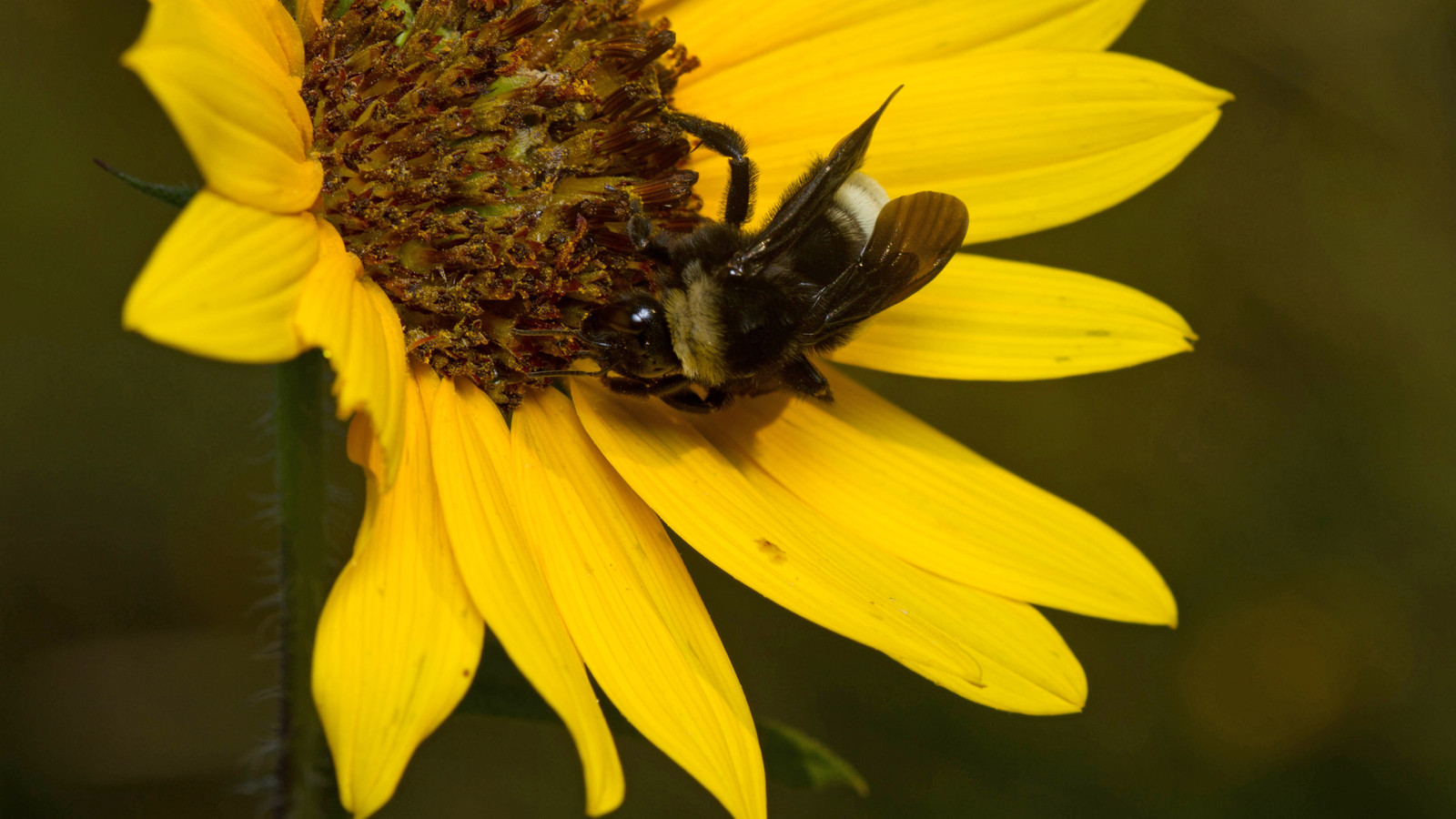
A large black-and-yellow native bumble bee that pollinates Florida wildflowers, vegetables, and fruiting plants.
American Bumble Bees live in annual colonies founded by a single queen. Workers visit a wide range of Florida flowers from spring through fall and carry dense pollen loads back to the nest.
Open flower-rich habitat, undisturbed ground, and reduced pesticide use help colonies survive. Native blooms across multiple seasons provide more reliable food than a short burst of flowers.
Habitat:
Grasslands and Agricultural Areas, Forests and Woodlands, Urban and Residential Areas
Area / Range:
Florida Panhandle, North Florida, Central Florida, South Florida
Diet:
Adults drink nectar and collect pollen from many native and cultivated flowers. Larvae eat pollen and nectar stored inside the colony.
Behavior:
Workers forage during daylight and use buzz pollination on certain flowers. Colonies usually nest underground in abandoned rodent burrows or sheltered cavities.
Daytime
Active Times:
Best time to see:
Sunny spring through fall days on native asters, sunflowers, salvia, legumes, and vegetable blossoms.
Florida Native Status:
Native
Conservation Status:
A species of conservation concern because of documented range and abundance declines, habitat loss, disease, and pesticide exposure.
Safety Level:
Moderate
Safety Information:
Foraging bees rarely sting when left alone. Do not block or disturb a nest entrance, and keep allergic individuals away from active colonies.
Benefits to Property:
Provides high-value pollination for vegetables, berries, wildflowers, and native seed-producing plants.
Property Concerns:
A ground nest may conflict with mowing or foot traffic. Mark the area and reroute activity until the annual colony naturally ends.
Fun Fact:
- It performs buzz pollination by vibrating flower muscles.
- Only new queens survive winter to start colonies the next year.
- Workers regulate nest temperature by fanning their wings.
Wildlife Laws:
No routine handling is needed. Follow pesticide labels, pollinator-protection directions, and any current federal, state, or protected-area rules.
Identification:
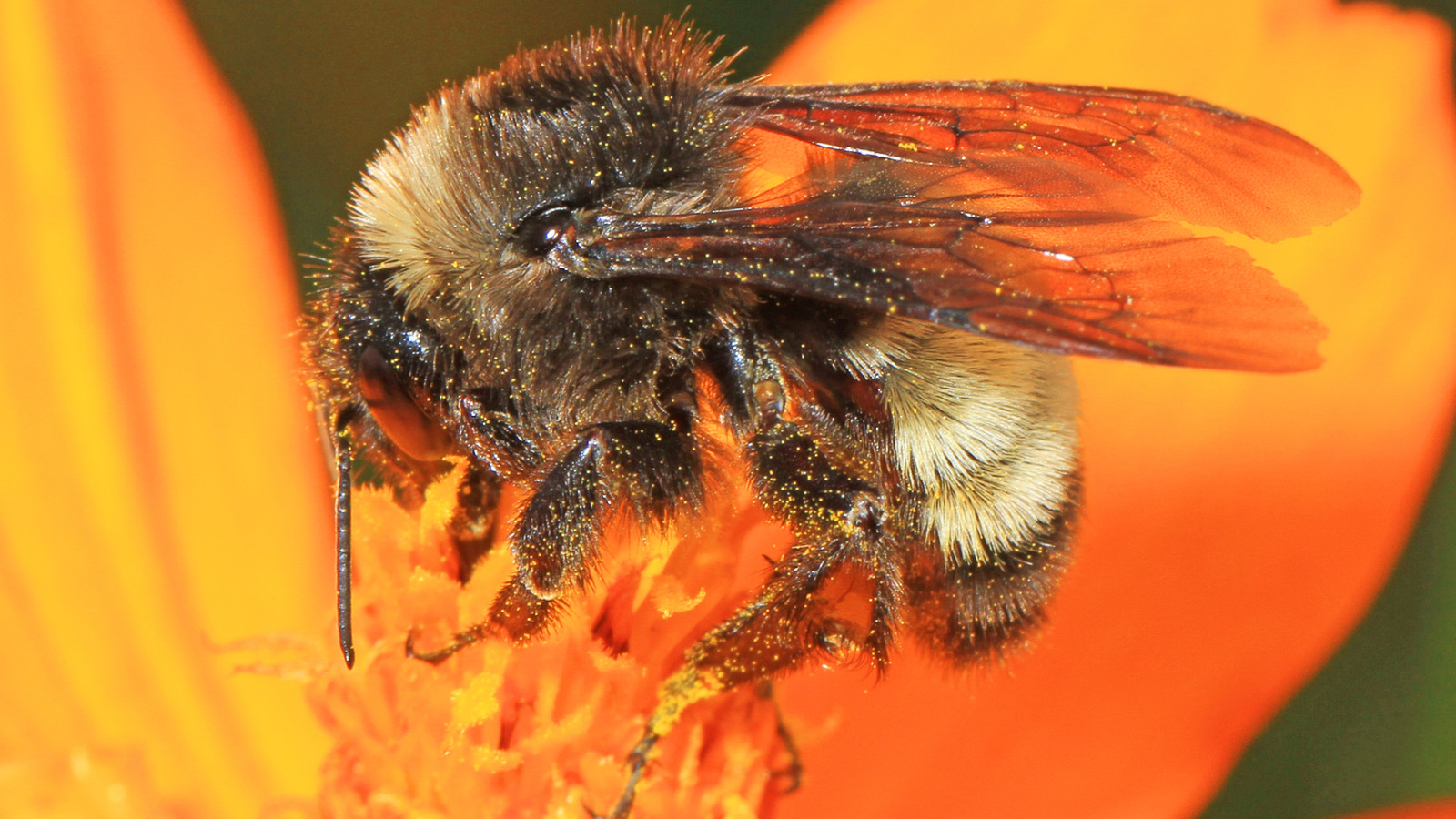
Large robust bee with a black face, yellow hairs on the thorax, and yellow bands near the front and rear of an otherwise dark abdomen. Color pattern varies by sex and caste.