
American Snout
Libytheana carinenta
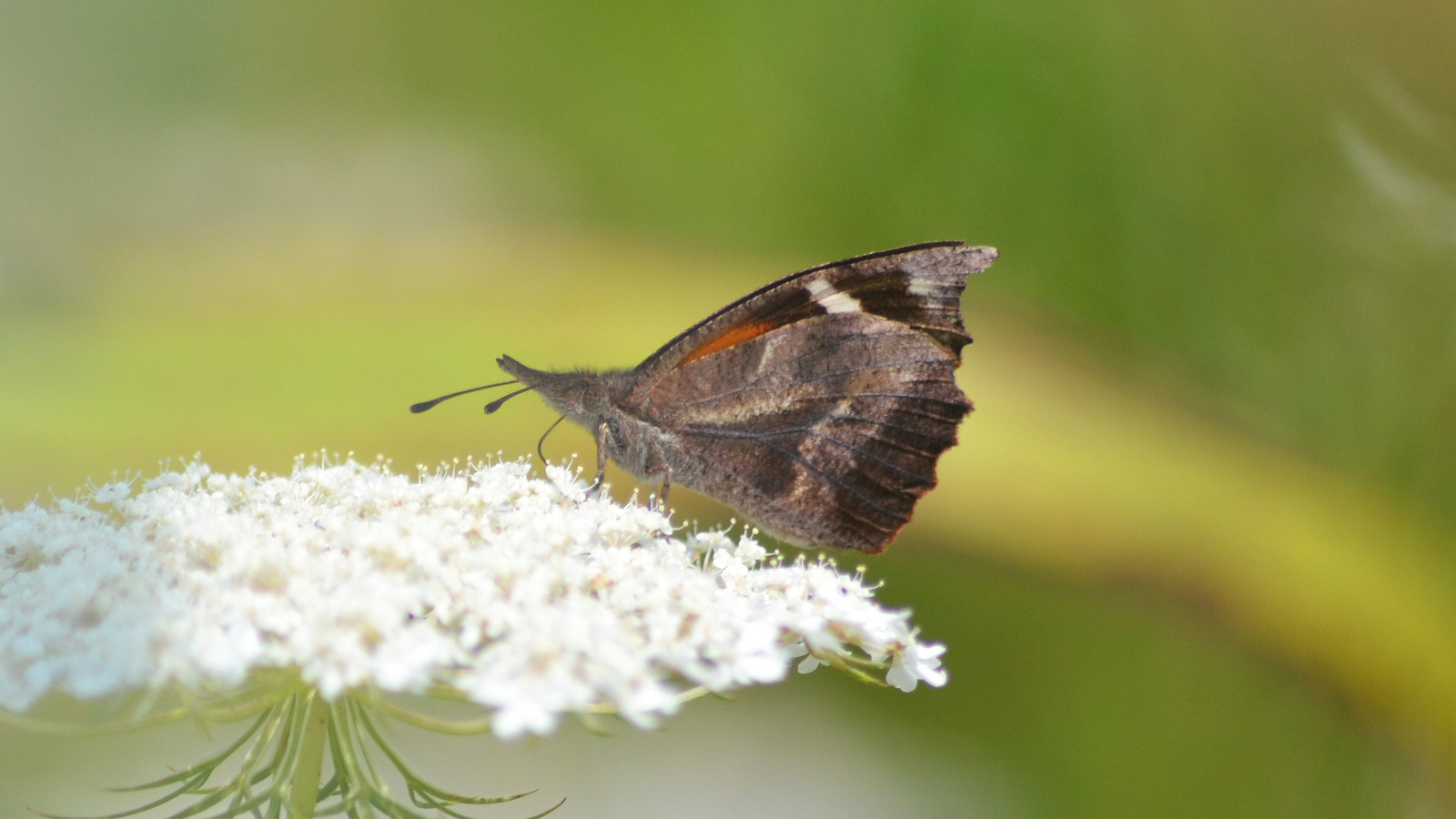
A native Florida butterfly with a conspicuously long snout, leaf-like folded wings, and hackberry-dependent caterpillars.
The American snout is a native butterfly found most often in northern and central Florida and less often in the south. It uses wooded edges and corridors where hackberries grow, and adults visit a wide range of flowers.
Habitat:
Forests and Woodlands, Urban and Residential Areas
Area / Range:
North Florida, Central Florida, South Florida
Diet:
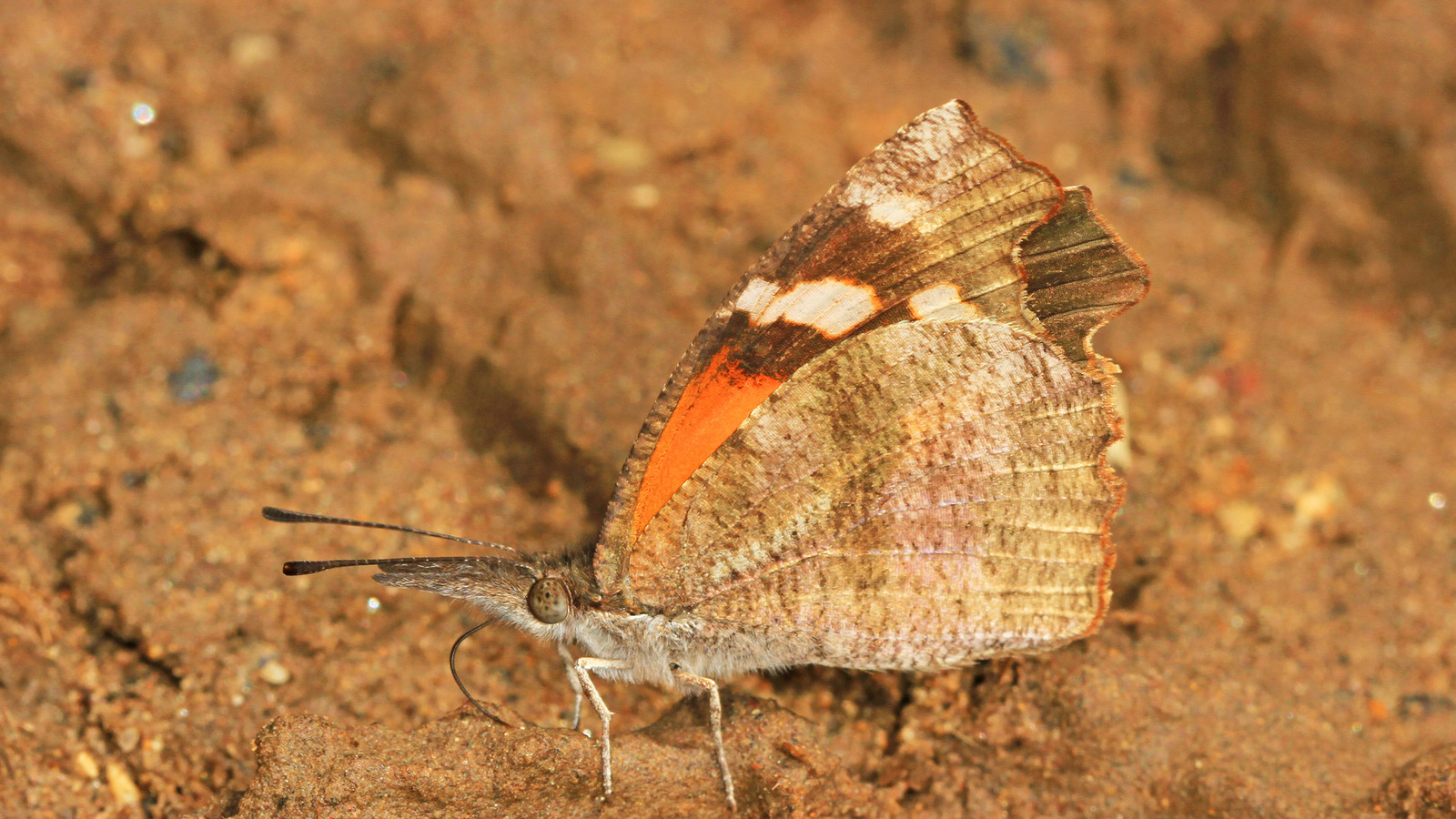
Adults take nectar from many flowers and sip moisture and minerals from mud. Caterpillars eat young leaves of hackberry and sugarberry trees.
Behavior:
Adults may rest with folded wings against twigs, resembling dead leaves. Males patrol near hackberry host trees, and Florida can support three or more generations in a year.
Day
Active Times:
Best time to see:
Daylight from roughly February through October near hackberries, woodland edges, and nectar flowers; it is less frequent in South Florida.
Florida Native Status:
Native
Conservation Status:
Common in northern and central Florida; infrequent in southern Florida.
Safety Level:
Low Risk
Safety Information:
Harmless to people and pets. Avoid handling delicate wings, and use care with pesticides around hackberries and nectar plants.
Benefits to Property:
Adds native butterfly diversity and visits flowers for nectar. Hackberry or sugarberry trees can support its caterpillars and other wildlife.
Property Concerns:
Caterpillars feed on young hackberry leaves, but substantial property damage is not expected in an established landscape.
Fun Fact:
Its long mouthpart coverings create the namesake snout. When resting with wings closed, the butterfly can mimic a dead leaf attached to a twig.
Wildlife Laws:
Observe and photograph rather than collect in parks or preserves without checking site rules. Consult current Florida regulations before collecting any wild butterfly.
Identification:
The elongated labial palpi project forward like a snout. Adults have dark brown upper wings with orange patches and white spots near the squared forewing tips. Folded hindwings are mottled brown to gray and can look like a dead leaf.