
American White Ibis
Eudocimus albus
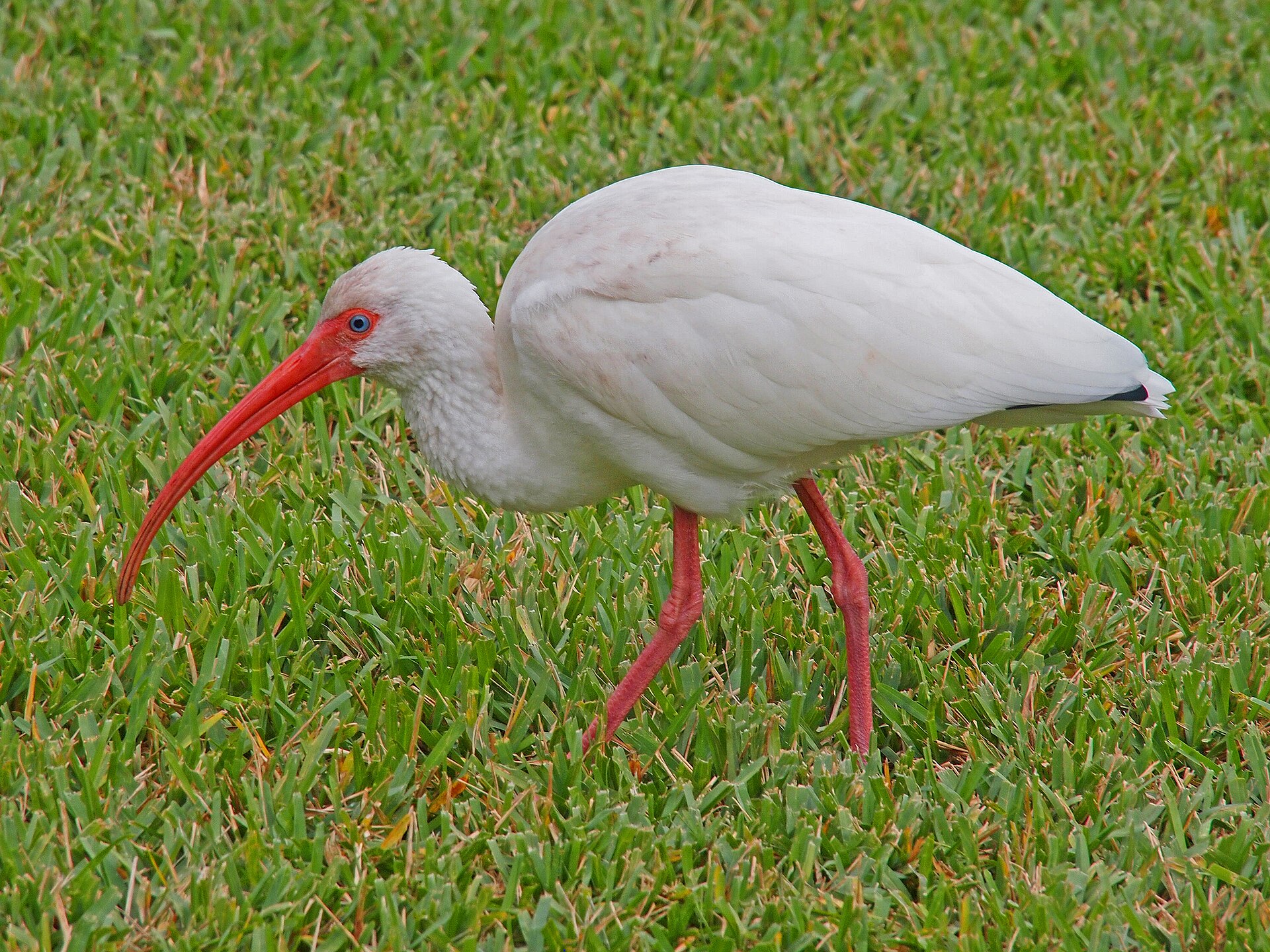
The American white ibis is a familiar Florida wading bird seen in wetlands, parks, lawns, and coastal neighborhoods.
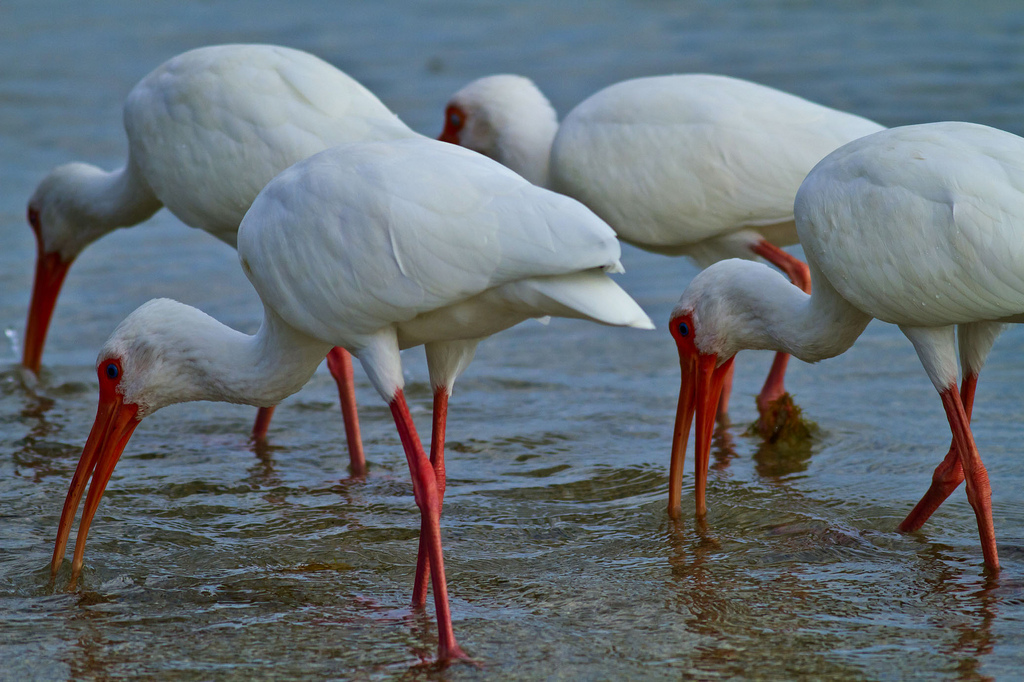
White ibises forage in shallow water and moist ground, probing for small aquatic animals with their long curved bills. Flocks regularly move between wetlands, parks, and neighborhood lawns.
Adults are mostly white. Young birds begin brown and gradually develop adult plumage.
Habitat:
Freshwater Wetlands, Lakes and Ponds, Estuaries and Bays, Mangroves and Salt Marshes, Urban and Residential Areas
Area / Range:
Statewide
Diet:
White ibises eat crayfish, crabs, aquatic insects, small fish, worms, and other invertebrates.
Behavior:
They walk slowly while probing soil or shallow water. Feeding and roosting often take place in social flocks.
Day
Active Times:
Best time to see:
Early morning and late afternoon around shallow water, damp lawns, and neighborhood ponds.
Florida Native Status:
Native
Conservation Status:
Protected native migratory bird.
Safety Level:
Harmless. Protected Wildlife
Safety Information:
Do not feed ibises. Human food changes their behavior and nutrition. Keep pets from chasing feeding or resting flocks.
Benefits to Property:
Ibises eat insects, worms, crayfish, and other small animals found in wet lawns and shallow water.
Property Concerns:
Large flocks leave droppings on walks, roofs, and lawns. Feeding encourages crowding and repeated visits.
Fun Fact:
The curved bill works like a probe. The bird often finds prey by touch before seeing it.
Wildlife Laws:
White ibises receive protection under the federal Migratory Bird Treaty Act. Active nests, eggs, and birds must not be harmed or disturbed.
Identification:
Adults have white plumage, black wing tips, a red face and legs, and a long pink-red downcurved bill. Juveniles are mottled brown and white.
Credits:
Facts: Florida Fish and Wildlife Conservation Commission. Images: adult ibis and foraging flock, Wikimedia Commons.