
Antillean Nighthawk
Chordeiles gundlachii
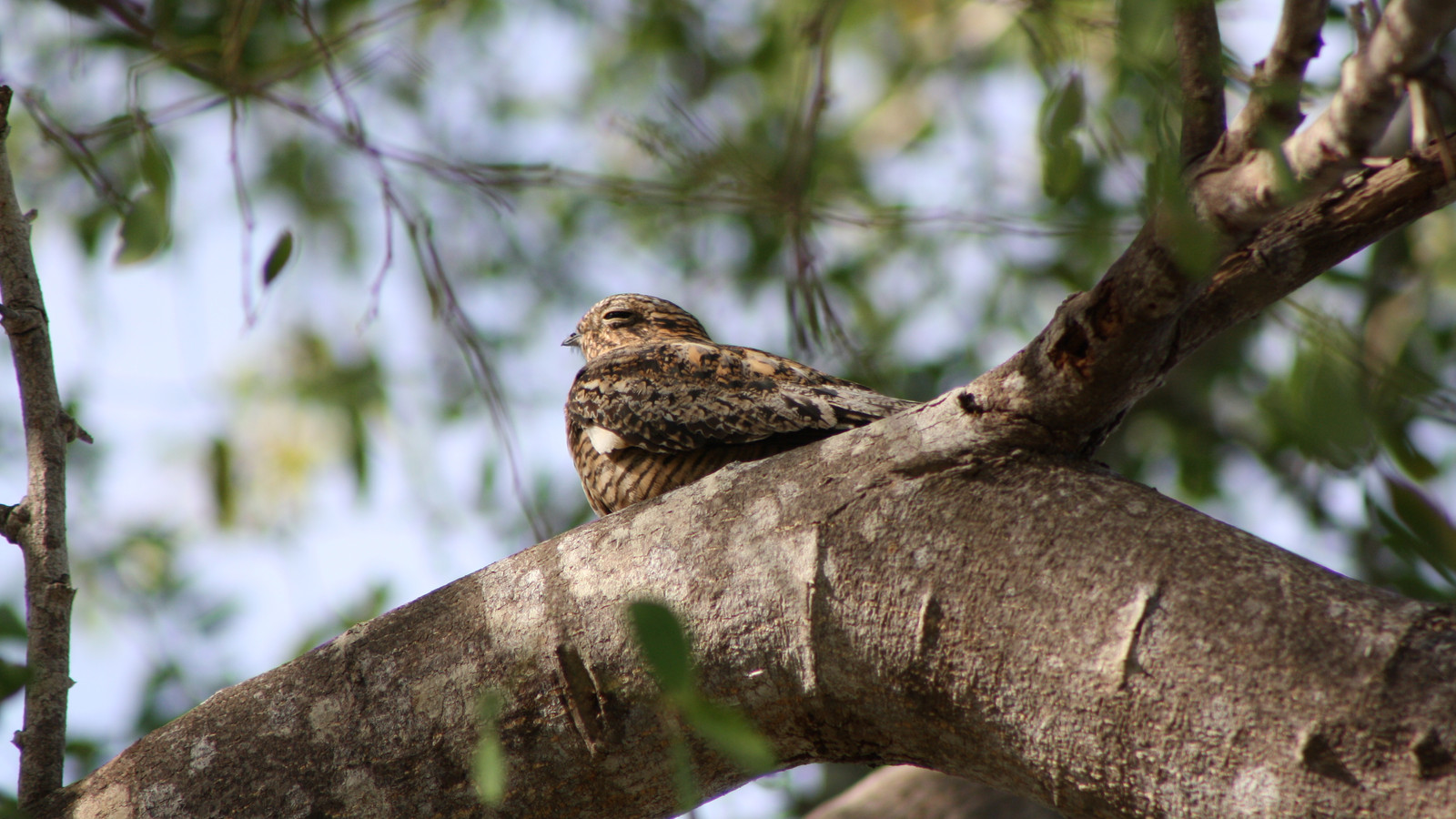
A cryptically patterned Caribbean nightjar that breeds in the Florida Keys and hunts flying insects at dusk.
The Antillean Nighthawk is a warm-season visitor to the Florida Keys, the only part of the United States where this Caribbean species regularly occurs. It favors open ground, low scrub, grassy areas, and coastal sites with unobstructed airspace.
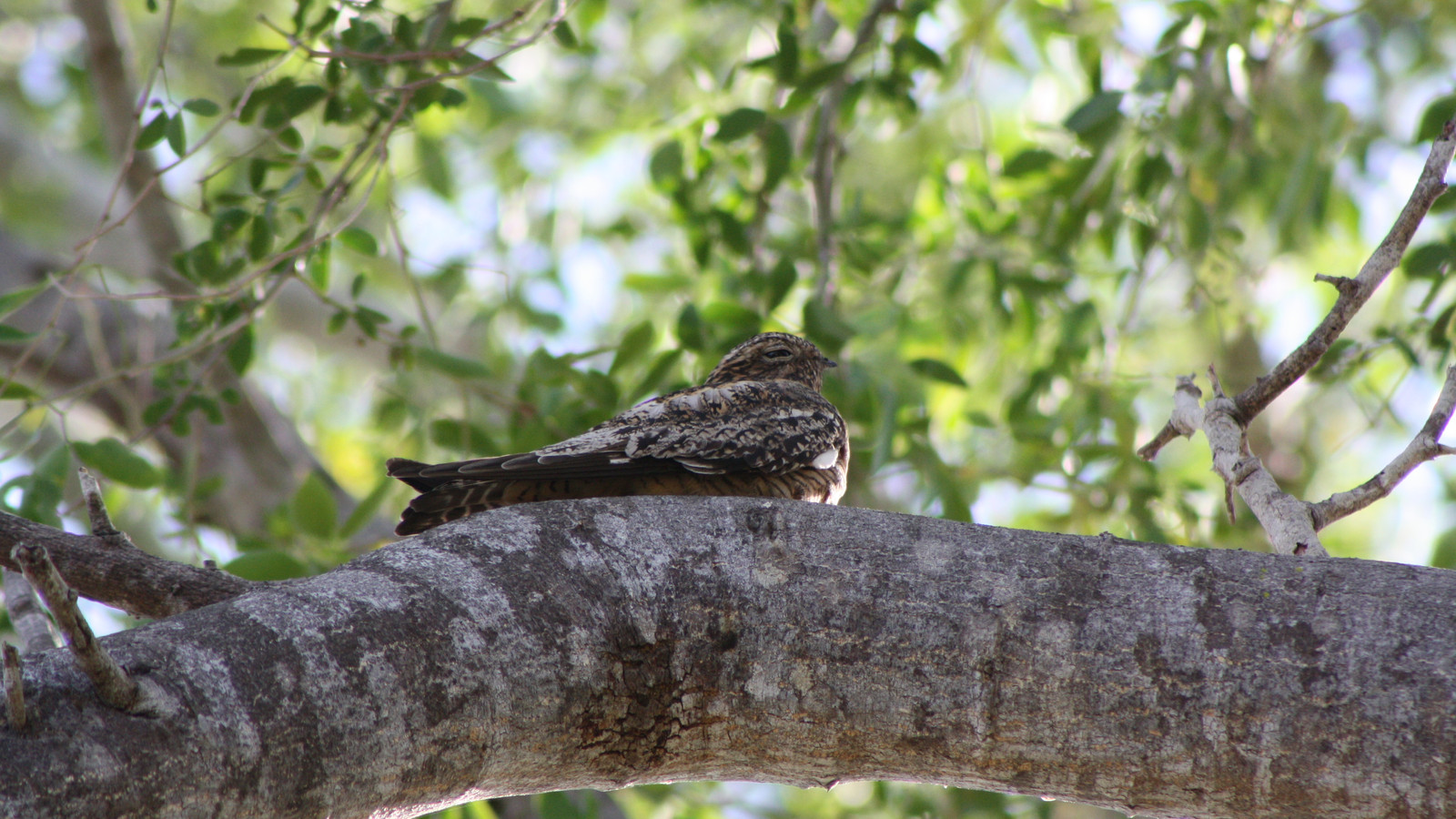
Its mottled brown plumage blends with bark, gravel, and sand. At twilight it becomes conspicuous in flight, using long pointed wings and a wide mouth to capture insects.
Habitat:
Beaches and Dunes, Grasslands and Agricultural Areas, Scrub and Dry Prairie
Area / Range:
Florida Keys
Diet:
Feeds almost entirely on flying insects, including moths, beetles, flying ants, and other aerial invertebrates captured on the wing.
Behavior:
Rests motionless along branches or on open ground during the day, relying on camouflage. Near dusk and dawn it courses over open areas with buoyant, erratic flight.
Dawn and Dusk, Nighttime
Active Times:
Best time to see:
Late spring through summer at dawn or dusk over open grassy, scrubby, or coastal areas in the Florida Keys
Florida Native Status:
Native seasonal breeder
Conservation Status:
Not federally listed, but its very limited Florida breeding range makes protection of open habitat and ground-nesting sites important
Safety Level:
Harmless
Safety Information:
Harmless to people and property. Observe from a distance because eggs and chicks are placed directly on bare ground and can be difficult to see.
Benefits to Property:
Consumes large numbers of flying insects and adds valuable aerial insect control around open natural areas.
Property Concerns:
Does not damage buildings, plants, or lawns. Ground nests can be vulnerable to mowing, vehicles, pets, and foot traffic.
Fun Fact:
Nighthawks do not build a conventional nest; their eggs rest directly on sand, gravel, rock, or other open ground.
In Florida, voice is often more reliable than plumage for distinguishing this species from the Common Nighthawk.
Wildlife Laws:
Protected under the federal Migratory Bird Treaty Act. Do not possess, disturb, or destroy birds, eggs, active nests, or chicks.
Identification:
A medium-sized, long-winged nightbird with intricate brown, gray, and buff patterning. A bold white wing patch shows in flight, but the rapid buzzy call is often the best way to separate it from the similar Common Nighthawk.