
Bahama Mockingbird
Mimus gundlachii
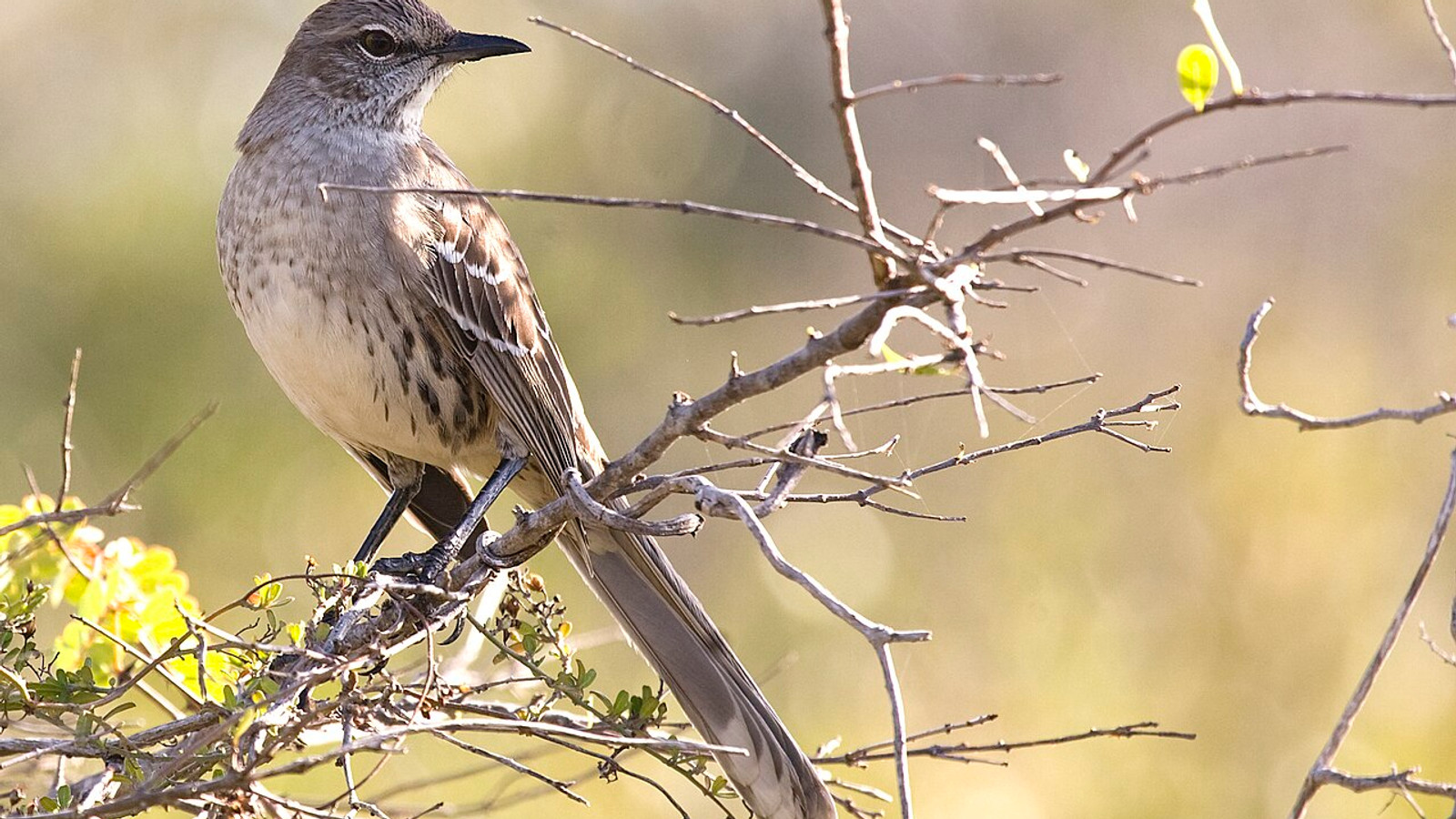
A large, streaked Caribbean mockingbird that occasionally reaches the Florida Keys and extreme South Florida.
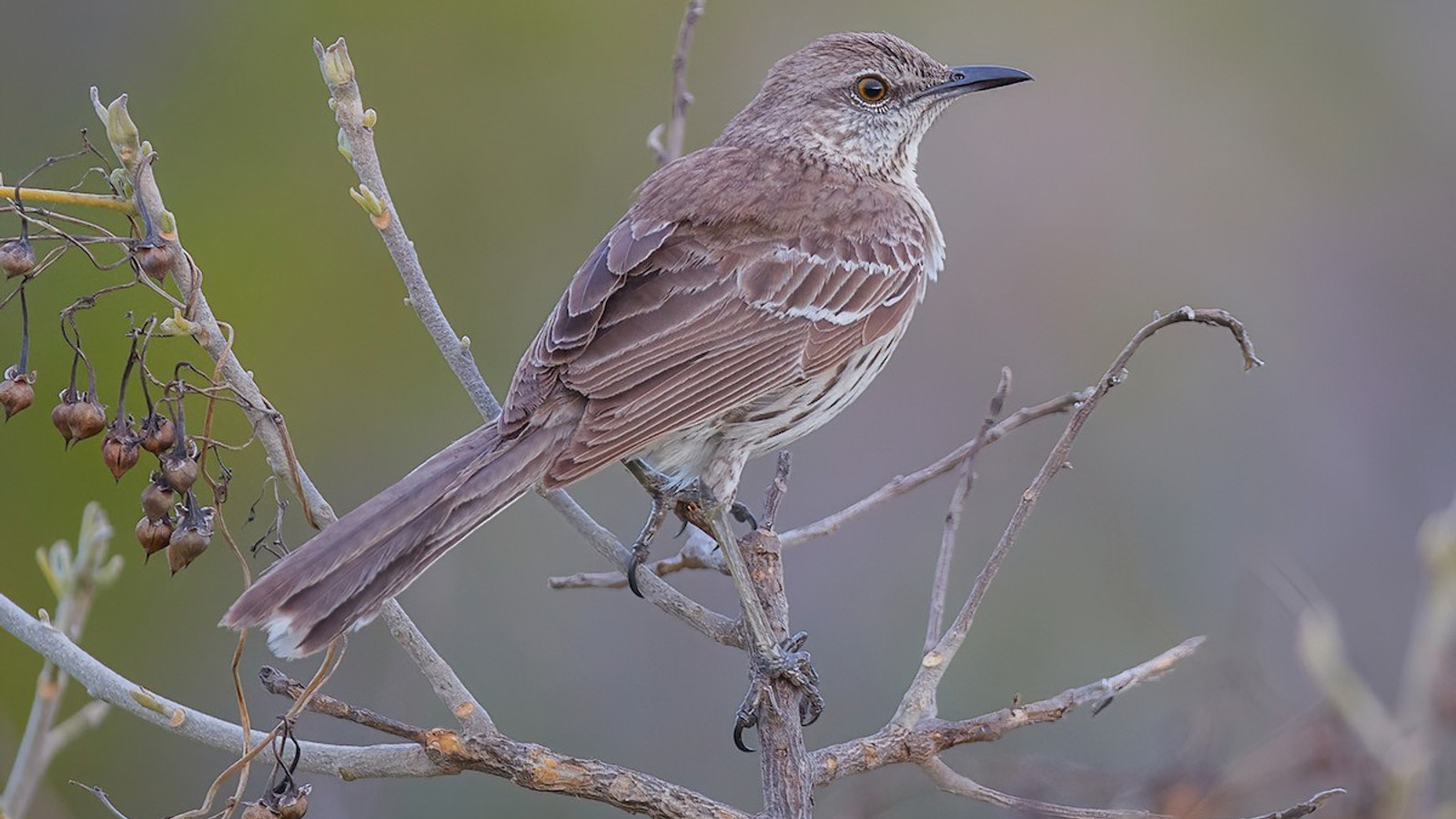
The Bahama Mockingbird is a long-tailed songbird of Caribbean scrub, open woodland, coastal vegetation, and plantations. It is browner and more heavily streaked than Florida’s familiar Northern Mockingbird.
In Florida it is an uncommon visitor, recorded mainly in the Keys and extreme southern peninsula. Sightings are notable and should be enjoyed without approaching closely or disturbing the bird.
Habitat:
Forests and Woodlands, Scrub and Dry Prairie, Mangroves and Salt Marshes
Area / Range:
Florida Keys, South Florida
Diet:
Omnivorous. It eats insects and other invertebrates, small fruits, nectar, and occasionally very small vertebrates, often foraging on or near the ground.
Behavior:
Usually moves through dense scrub and low woodland, searching leaf litter and vegetation for food. Territorial birds sing loudly and defend favored feeding and nesting areas.
Daytime
Active Times:
Best time to see:
Early morning in coastal scrub or fruiting woodland after reports of a rare visitor.
Florida Native Status:
Rare Visitor
Conservation Status:
IUCN Least Concern; rare and irregular in Florida.
Safety Level:
Low
Safety Information:
Harmless to people and pets. Observe quietly from a distance and do not crowd, flush, feed, or attempt to handle a rare bird.
Benefits to Property:
Consumes insects and small fruits and can contribute to insect control and seed movement in native plantings.
Property Concerns:
Property impacts are minimal. A visiting bird may defend a favorite shrub or leave small amounts of droppings near perches.
Fun Fact:
Unlike the Northern Mockingbird, this species is not especially known for copying other birds. Its scientific name honors the German-Cuban naturalist Juan Gundlach.
Wildlife Laws:
Wild native birds, their nests, and eggs are protected by state and federal wildlife laws. Do not capture, possess, or disturb them without authorization.
Identification:
Look for a large mockingbird with brown-gray upperparts, a pale eyebrow, a long dark tail with pale tips, and strong brown streaks across the flanks and breast. The wings show less white than a Northern Mockingbird.