
Blue Jay
Cyanocitta cristata
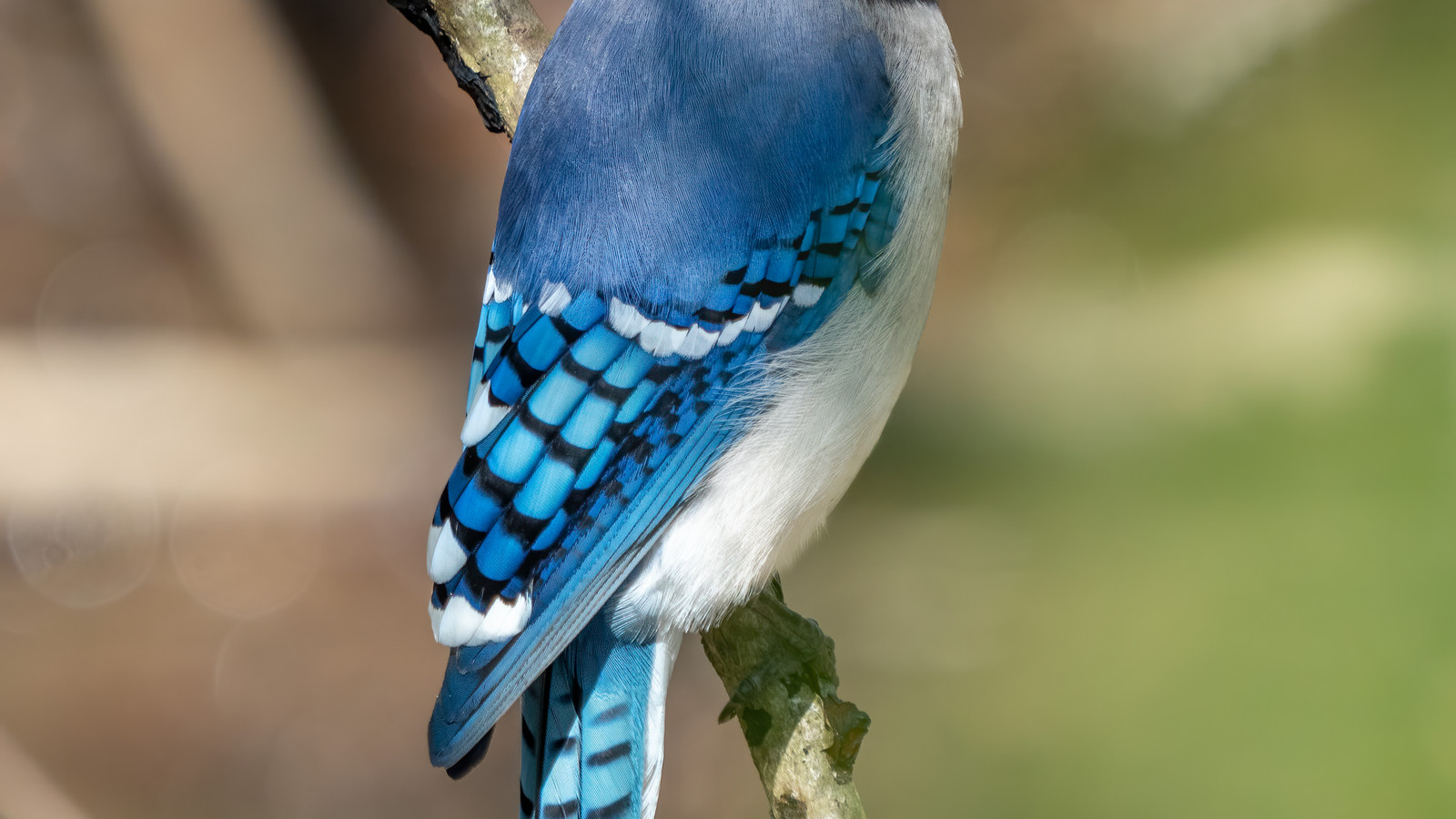
A bold, intelligent Florida songbird with a blue crest, patterned wings, and a wide range of calls.
Blue Jays live year-round across Florida in oak woods, mixed forests, neighborhoods, and parks. Their strong bills handle acorns, seeds, insects, and many other foods.
They help move and bury acorns, sometimes leaving forgotten seeds to grow. Native shade trees and pesticide-conscious landscaping support natural feeding and nesting behavior.
Habitat:
Forests and Woodlands, Urban and Residential Areas
Area / Range:
Statewide
Diet:
Eats acorns, nuts, seeds, fruits, insects, small vertebrates, and occasionally eggs or nestlings.
Behavior:
Active, vocal, and socially complex. Blue Jays cache food, mob predators, mimic hawks, and move between canopy cover and open lawns.
Daytime
Active Times:
Best time to see:
Year-round during morning hours near mature oaks, feeders, parks, and wooded neighborhoods.
Florida Native Status:
Native
Conservation Status:
IUCN Least Concern; widespread and adaptable.
Safety Level:
Low
Safety Information:
Avoid handling fledglings. Keep cats indoors and clean feeders regularly to reduce disease transmission.
Benefits to Property:
Consumes insects and disperses acorns, supporting tree regeneration and a diverse backyard bird community.
Property Concerns:
May dominate feeders, scatter seed, or raid smaller birds’ nests. Separate feeder styles reduce conflict.
Fun Fact:
- Blue color comes from feather structure rather than blue pigment.
- Individuals store food in many locations.
- They imitate hawk calls.
Wildlife Laws:
Protected under the Migratory Bird Treaty Act. Do not capture, keep, harm, or disturb active nests, eggs, or young.
Identification:
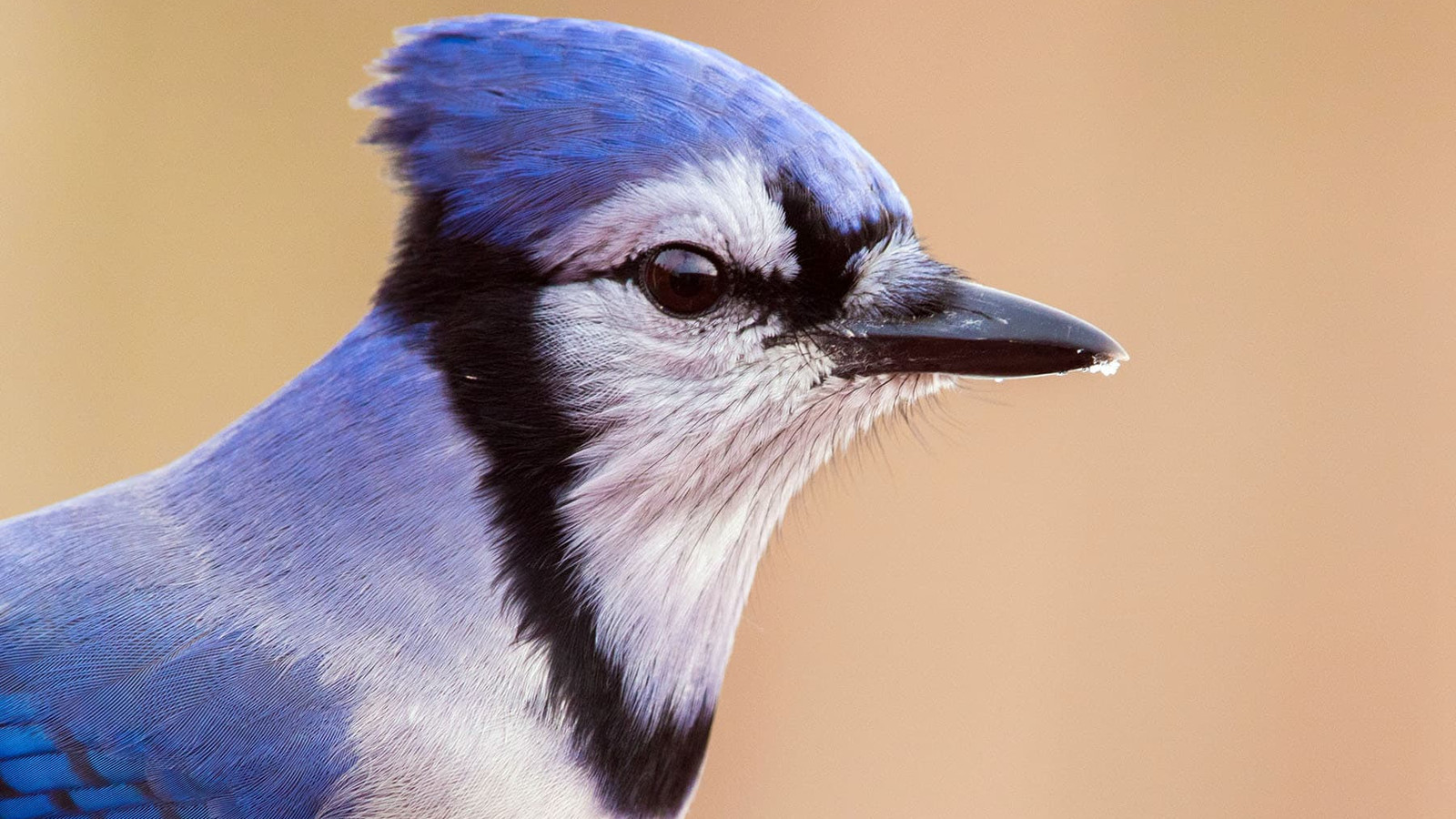
Large crested songbird with blue upperparts, white underparts, a black neck band, and black-and-white barring on the wings and tail.