
Brown-Headed Cowbird
Molothrus ater
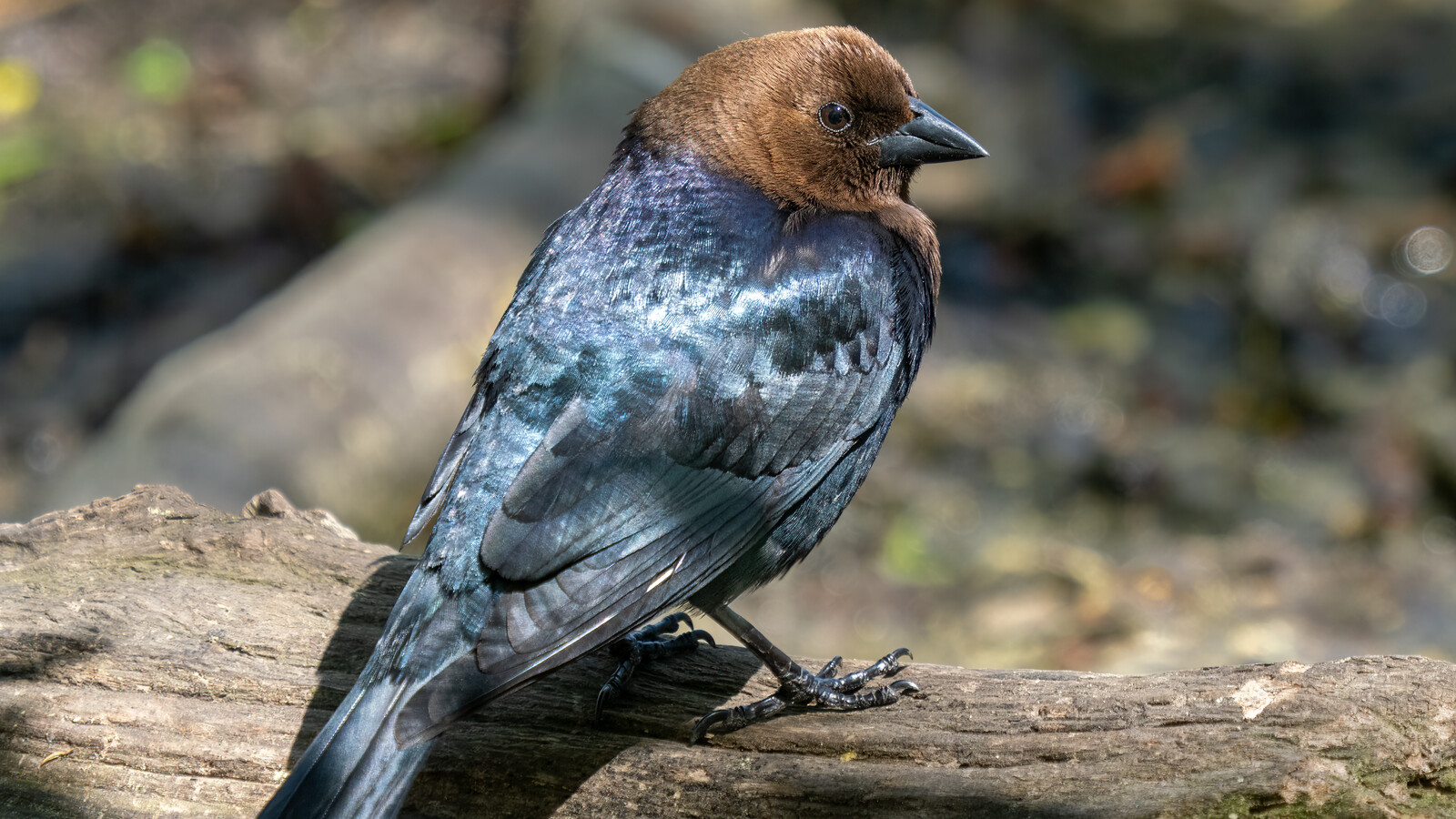
Brown-headed Cowbirds are stocky blackbirds known for laying eggs in the nests of other songbirds instead of raising their own young.
Brown-headed Cowbirds use open ground, pasture, roadsides, lawns, and woodland edges throughout Florida. They often feed near livestock or join mixed flocks with grackles and blackbirds.
Their brood-parasitic nesting strategy affects many smaller songbirds, especially where fragmented habitat creates abundant forest edges.
Habitat:
Grasslands and Agricultural Areas, Urban and Residential Areas, Forests and Woodlands
Area / Range:
Statewide
Diet:
They eat grass and weed seeds, grains, insects, spiders, and occasional fruit.
Behavior:
Females watch other birds, locate active nests, and lay an egg quickly while the host is absent. Cowbirds forage mainly on the ground and gather in flocks outside breeding season.
Day
Active Times:
Best time to see:
Morning in open lawns, pastures, woodland edges, and around mixed blackbird flocks.
Florida Native Status:
Native
Conservation Status:
Common and secure across much of its range. Local management sometimes protects rare host songbirds.
Safety Level:
Low Risk
Safety Information:
They pose little direct risk. Keep feeders clean, reduce seed on the ground, and do not handle eggs or interfere with nests.
Benefits to Property:
They consume insects and fallen seeds and provide an opportunity to observe an unusual native breeding strategy.
Property Concerns:
Cowbird chicks can reduce nesting success for smaller songbirds. Feeders with spilled seed may attract large groups.
Fun Fact:
A female may lay dozens of eggs in different host nests during one breeding season. More than 200 bird species have received cowbird eggs.
Wildlife Laws:
Brown-headed Cowbirds are protected by the Migratory Bird Treaty Act. Eggs, nests, and birds must not be removed except under a valid permit or authorized conservation program.
Identification:
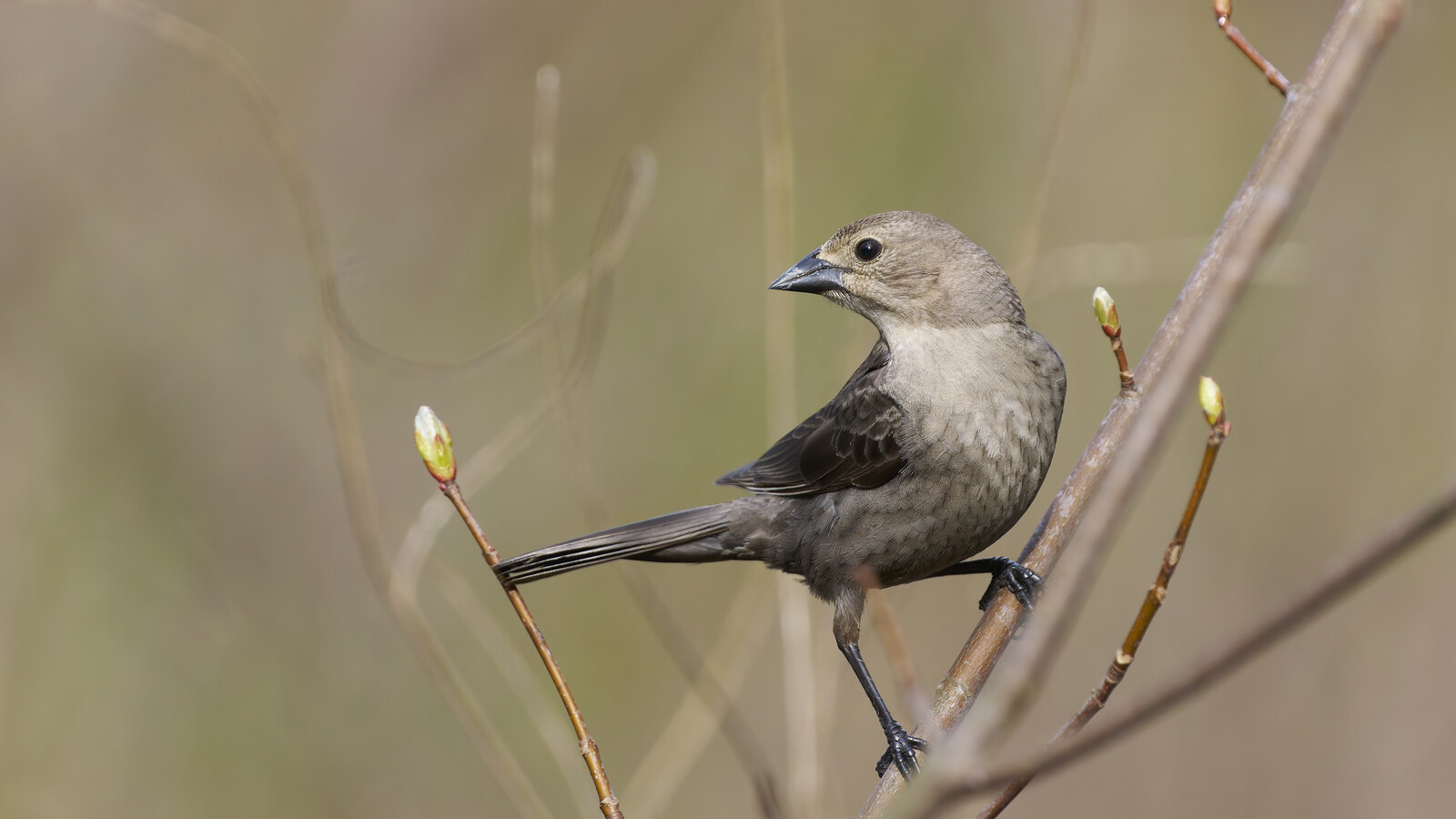
Adult males are glossy black with a contrasting brown head. Females are plain gray-brown with a short, thick bill. Both look compact, with a relatively short tail.
Credits:
Facts: species reference. Images: primary and secondary, Wikimedia Commons.