
Cane Toad
Rhinella marina
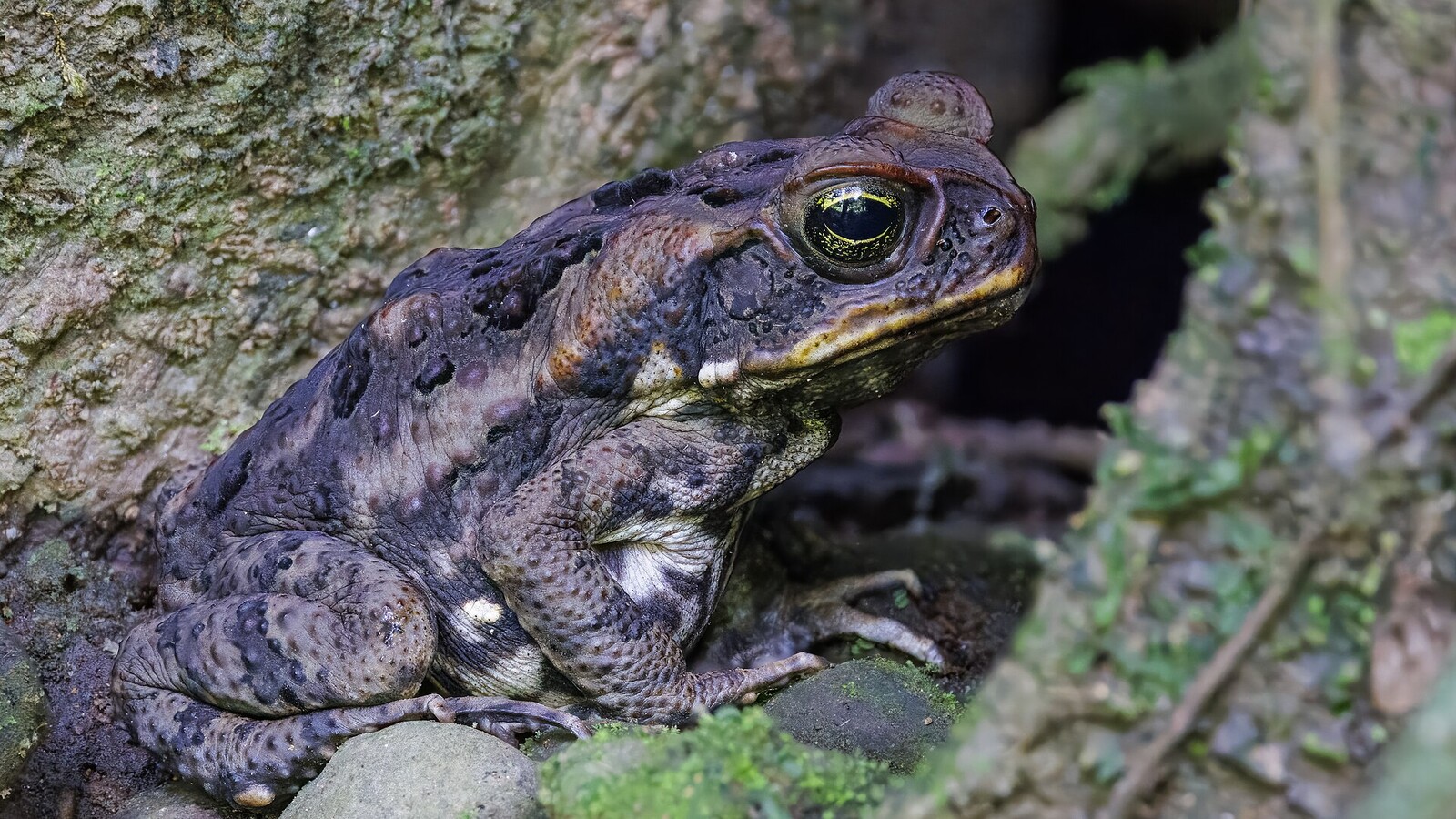
Cane toads are large invasive toads whose shoulder glands release a toxin capable of killing dogs and harming other predators.
Cane toads live around canals, ponds, vacant lots, gardens, and neighborhoods in warmer parts of Florida. Exterior lights and uncovered pet food concentrate insects and draw toads into yards.
The greatest household risk involves dogs that mouth or lick a toad. Fast recognition and immediate veterinary care save lives.
Habitat:
Urban and Residential Areas, Canals and Ditches, Lakes and Ponds
Area / Range:
Central Florida, South Florida
Diet:
They eat insects, snails, frogs, small reptiles, pet food, carrion, and almost any small animal they can swallow.
Behavior:
Cane toads hide during the day, emerge at night, gather near lights, and breed in standing water. They release toxin when threatened or mouthed.
Night, Dawn and Dusk
Active Times:
Best time to see:
Warm, humid evenings near porch lights, pet dishes, ponds, canals, and irrigated lawns.
Florida Native Status:
Introduced
Conservation Status:
Established invasive species in parts of central and southern Florida. It has no protected conservation status in the state.
Safety Level:
High Risk
Safety Information:
Keep pets on short leashes after dark. If a pet mouths a toad, rinse the mouth forward and outward without forcing water down the throat, then seek emergency veterinary care immediately.
Benefits to Property:
They consume insects, but this limited benefit does not outweigh their invasive impacts and pet hazard.
Property Concerns:
They threaten dogs, compete with native frogs and toads, use ornamental ponds for breeding, and gather where food or water is left outside.
Fun Fact:
Cane toads were introduced in attempts to control agricultural pests. Their skin toxin affects predators throughout every life stage.
Wildlife Laws:
Cane toads are nonnative and may be humanely removed from private property with permission. Never transport and release them elsewhere. Follow anti-cruelty rules and local disposal guidance.
Identification:
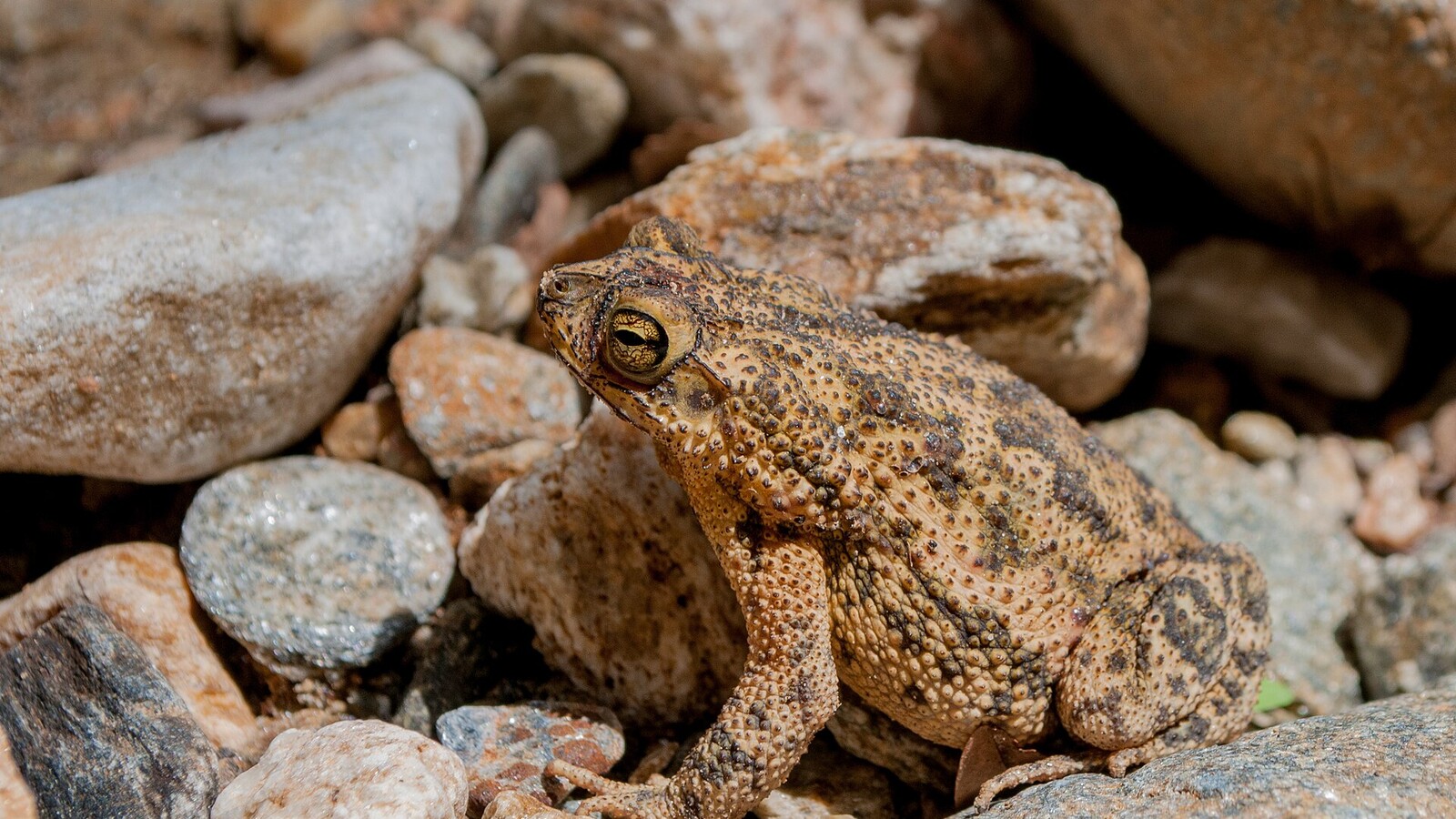
Look for a very large, heavily built toad with dry warty skin, bony ridges above the eyes, and large triangular poison glands behind the head.
Credits:
Facts: species reference. Images: primary and secondary, Wikimedia Commons.