
Cassius Blue Butterfly
Leptotes cassius
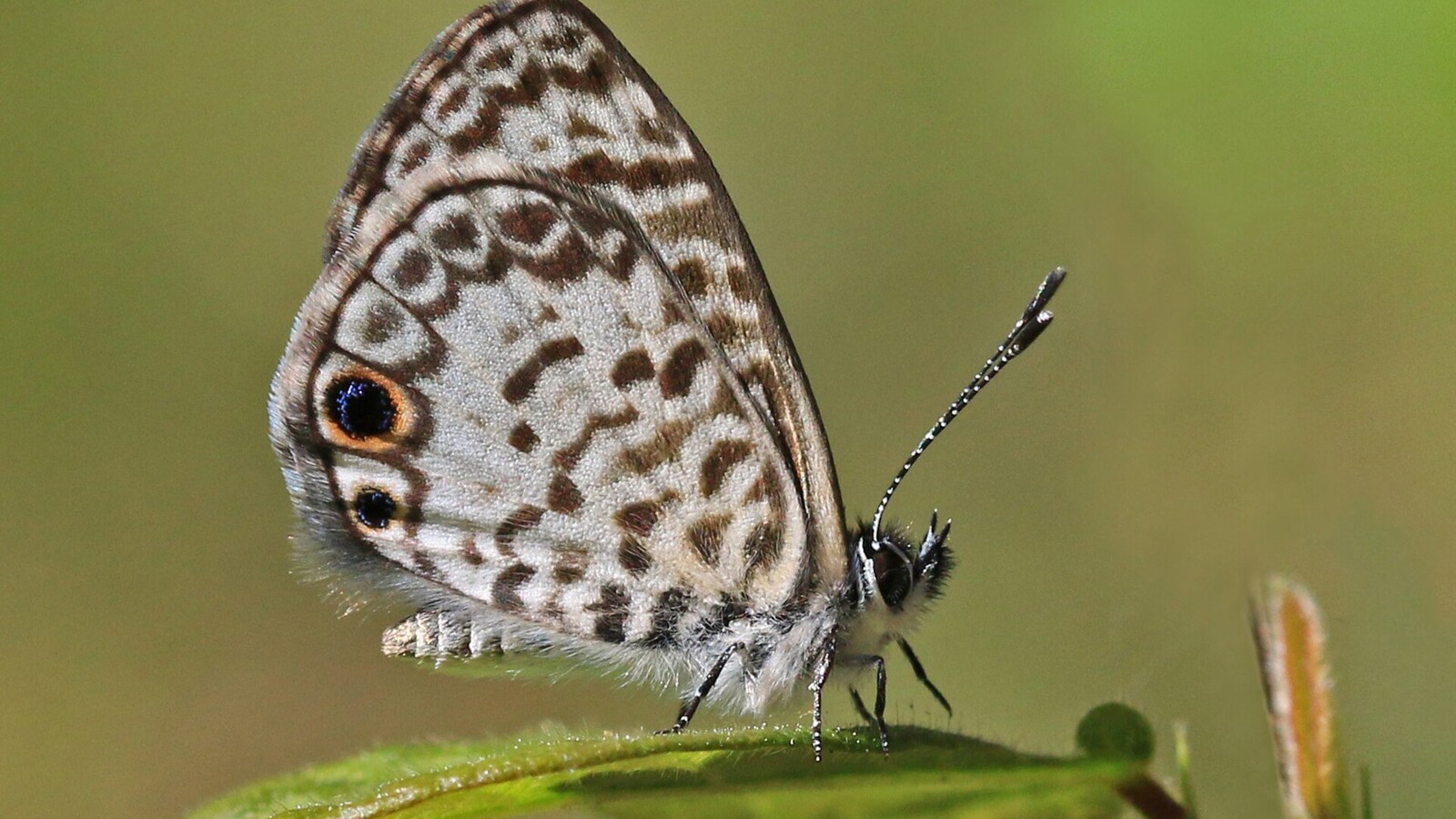
Cassius Blue butterflies are tiny South Florida butterflies with pale patterned undersides and flashes of blue when the wings open.
Cassius Blues live in South Florida and the Keys, using sunny gardens, pinelands, roadsides, and tropical hammocks. Their caterpillars feed mainly on plants in the pea family.
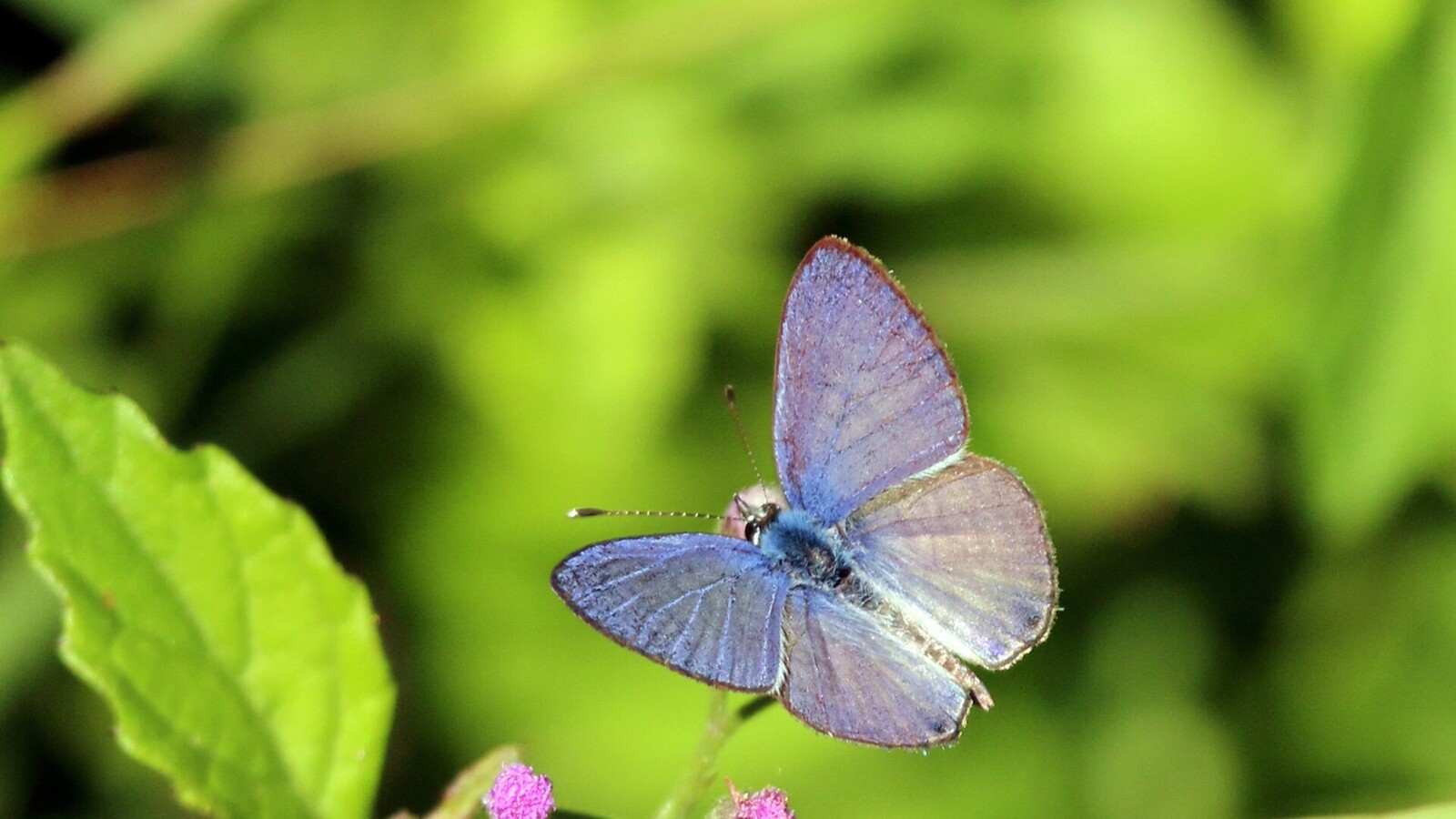
The small size makes them easy to miss until a male opens his blue upperwings in direct sun.
Habitat:
Urban and Residential Areas, Forests and Woodlands, Scrub and Dry Prairie
Area / Range:
South Florida, Florida Keys
Diet:
Adults drink nectar from small flowers. Caterpillars feed on buds, flowers, and young growth of native and cultivated legumes.
Behavior:
Adults fly low, bask with wings partly open, and make short quick flights between flowers and host plants. Males patrol sunny patches.
Day
Active Times:
Best time to see:
Sunny mornings and afternoons around flowering shrubs, legumes, pinelands, gardens, and coastal hammocks.
Florida Native Status:
Native
Conservation Status:
Secure in southern Florida where host plants and nectar remain available. It is not state-listed.
Safety Level:
Low Risk
Safety Information:
This butterfly is harmless. Avoid pesticide use on blooming plants and inspect nursery plants before treatment so eggs and larvae remain undisturbed.
Benefits to Property:
They pollinate small flowers and support birds, lizards, and beneficial insects. Host plants increase urban butterfly diversity.
Property Concerns:
They cause little noticeable plant damage. Broad-spectrum insecticides and unnecessary spraying eliminate both adults and caterpillars.
Fun Fact:
The tiny tails and nearby eyespots create a false head that can divert predator attacks away from the butterfly’s real head.
Wildlife Laws:
Cassius Blues are not generally protected from ordinary observation on private property, but collecting rules apply on parks, preserves, and other protected lands. Pesticide labels remain legally binding.
Identification:
Closed wings appear pale gray-white with wavy brown lines and two orange-ringed eyespots near the hindwing tail. Males show blue-violet above, while females carry broader dark borders.
Credits:
Facts: species reference. Images: primary and secondary, Wikimedia Commons.