
Cedar Waxwing
Bombycilla cedrorum
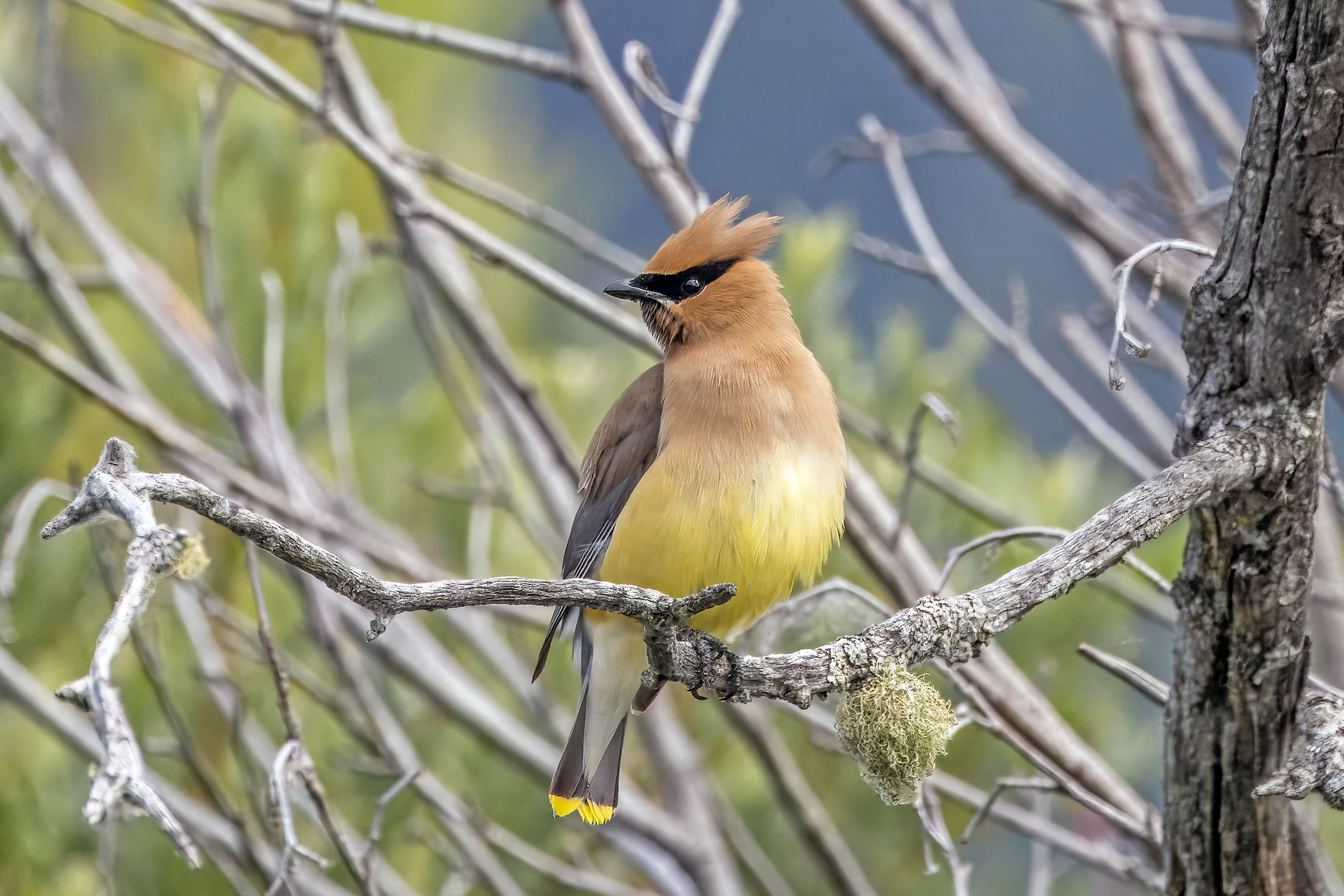
A sleek, crested songbird with a black mask and yellow tail tip that gathers in fruiting trees.
Cedar Waxwings travel in sociable flocks, feeding on berries in woodland edges, parks, orchards, and neighborhoods. They are chiefly winter visitors to Florida.
Native fruiting plants and water attract passing flocks. Their smooth plumage, crest, and yellow-tipped tail give them a distinctive appearance.
Habitat:
Forests and Woodlands, Urban and Residential Areas
Area / Range:
Statewide
Diet:
Fruit dominates the diet, including berries from native trees and shrubs. Waxwings also catch flying insects, especially when breeding.
Behavior:
Flocks move together between fruiting trees and may pass berries from one bird to another. Birds often perch high before descending to feed.
Day
Active Times:
Best time to see:
Fall through spring around fruiting trees and shrubs
Florida Native Status:
Native Migratory Bird
Conservation Status:
Widespread across North America. Local use of Florida yards depends on fruit availability and seasonal movements.
Safety Level:
Harmless. Respect Nests
Safety Information:
Harmless to people and pets. Observe flocks without handling or disturbing roosts.
Benefits to Property:
Waxwings disperse seeds from fruiting plants and add seasonal interest to landscapes planted with native berry-producing shrubs.
Property Concerns:
They do not harm structures. Avoid using pesticide on fruiting plants and keep cats indoors when birds are feeding close to the ground.
Fun Fact:
The red tips on some wing feathers resemble drops of sealing wax. Flocks sometimes empty a fruiting tree rapidly before moving on.
Wildlife Laws:
Protected by the federal Migratory Bird Treaty Act. Do not capture, harm, or possess wild birds or disturb active nests without authorization.
Identification:
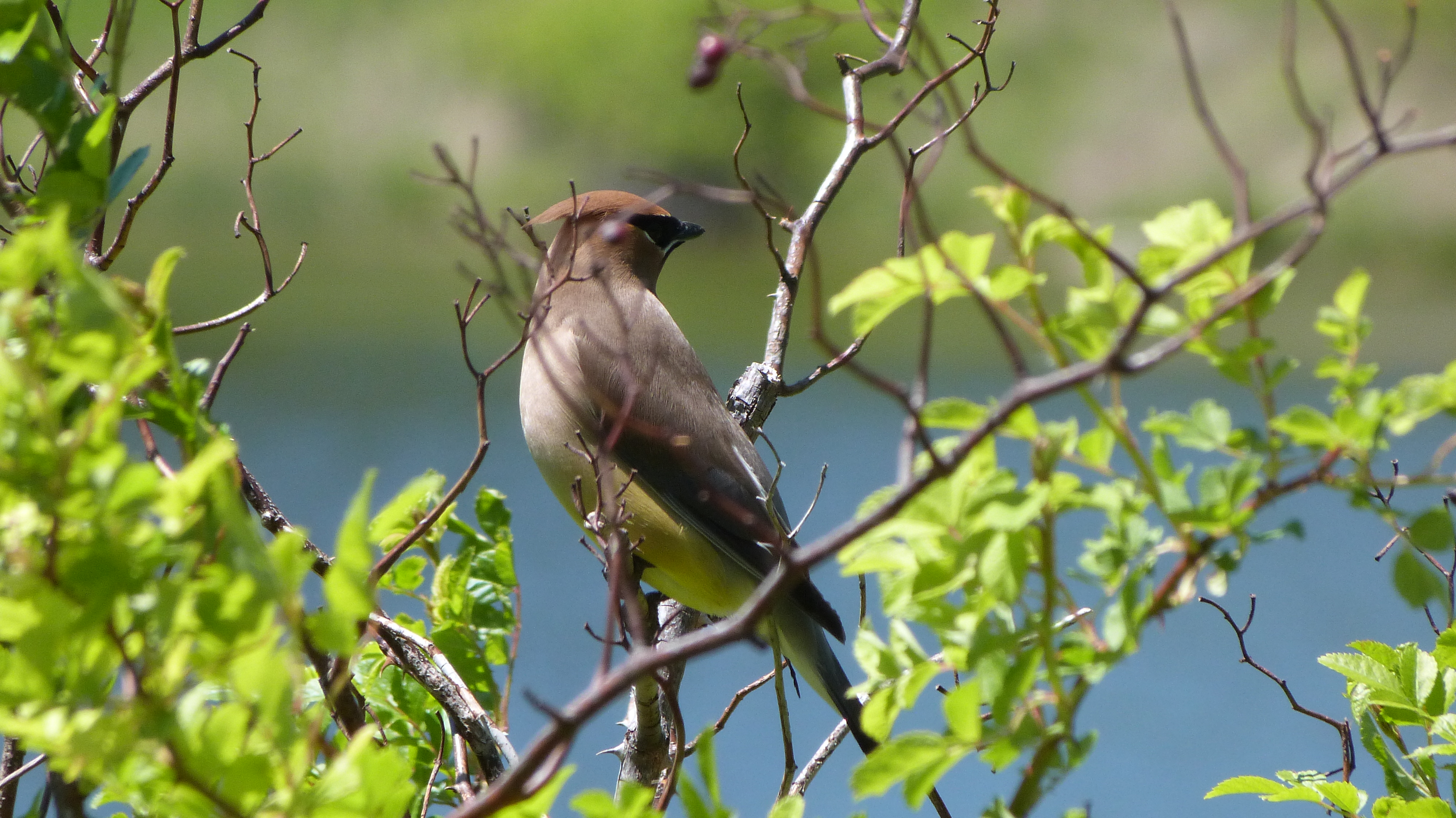
Look for a tan head and chest, grayish wings, pale yellow belly, black eye mask, and narrow yellow tail band.
Some adults have small red waxlike tips on the wing feathers. Plumage is similar in males and females.