
Common Ground-Dove
Columbina passerina
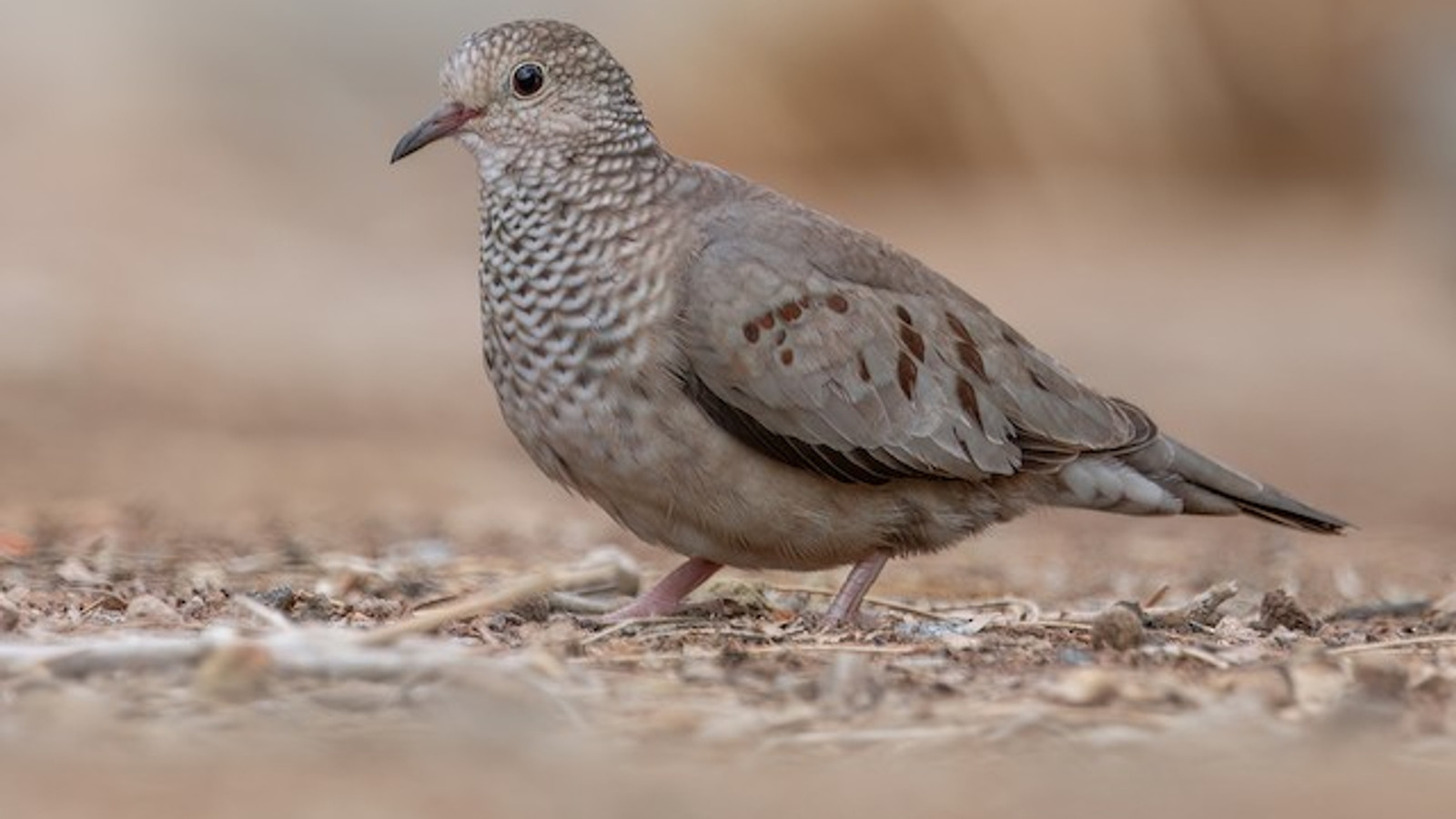
Florida’s tiny ground-feeding dove, recognized by its scaled breast, short tail, and soft repeated call.
Common Ground-Doves use Florida scrub, dry prairie, farms, roadsides, and lightly landscaped neighborhoods. They spend much of the day walking on bare ground and low vegetation.
Native grasses, seed-producing plants, and patches of open soil create feeding space. Dense shrubs nearby provide quick refuge from hawks and other predators.
Habitat:
Scrub and Dry Prairie, Grasslands and Agricultural Areas, Urban and Residential Areas
Area / Range:
Statewide
Diet:
Feeds mainly on grass, weed, and crop seeds gathered from the ground, with small amounts of berries and insects.
Behavior:
Usually walks in pairs or small groups. It flushes with rapid wingbeats and often returns after danger passes.
Daytime, Dawn and Dusk
Active Times:
Best time to see:
Year-round during quiet mornings on sandy paths, open lawns, scrub edges, and rural roadsides.
Florida Native Status:
Native
Conservation Status:
IUCN Least Concern; local declines follow loss of open, brushy habitat.
Safety Level:
Low
Safety Information:
Leave low nests undisturbed. Keep pets away from fledglings and ground-feeding pairs.
Benefits to Property:
Consumes weed and grass seeds while adding bird diversity to open residential and rural landscapes.
Property Concerns:
Creates little property damage. Broad herbicide use and fully turf-covered yards remove natural food and shelter.
Fun Fact:
- It is one of North America’s smallest doves.
- Its wings produce a soft whir at takeoff.
- The nest is often placed low in shrubs.
Wildlife Laws:
Protected under the Migratory Bird Treaty Act and managed as a migratory game bird. Take is lawful only under current seasons, licenses, and limits.
Identification:
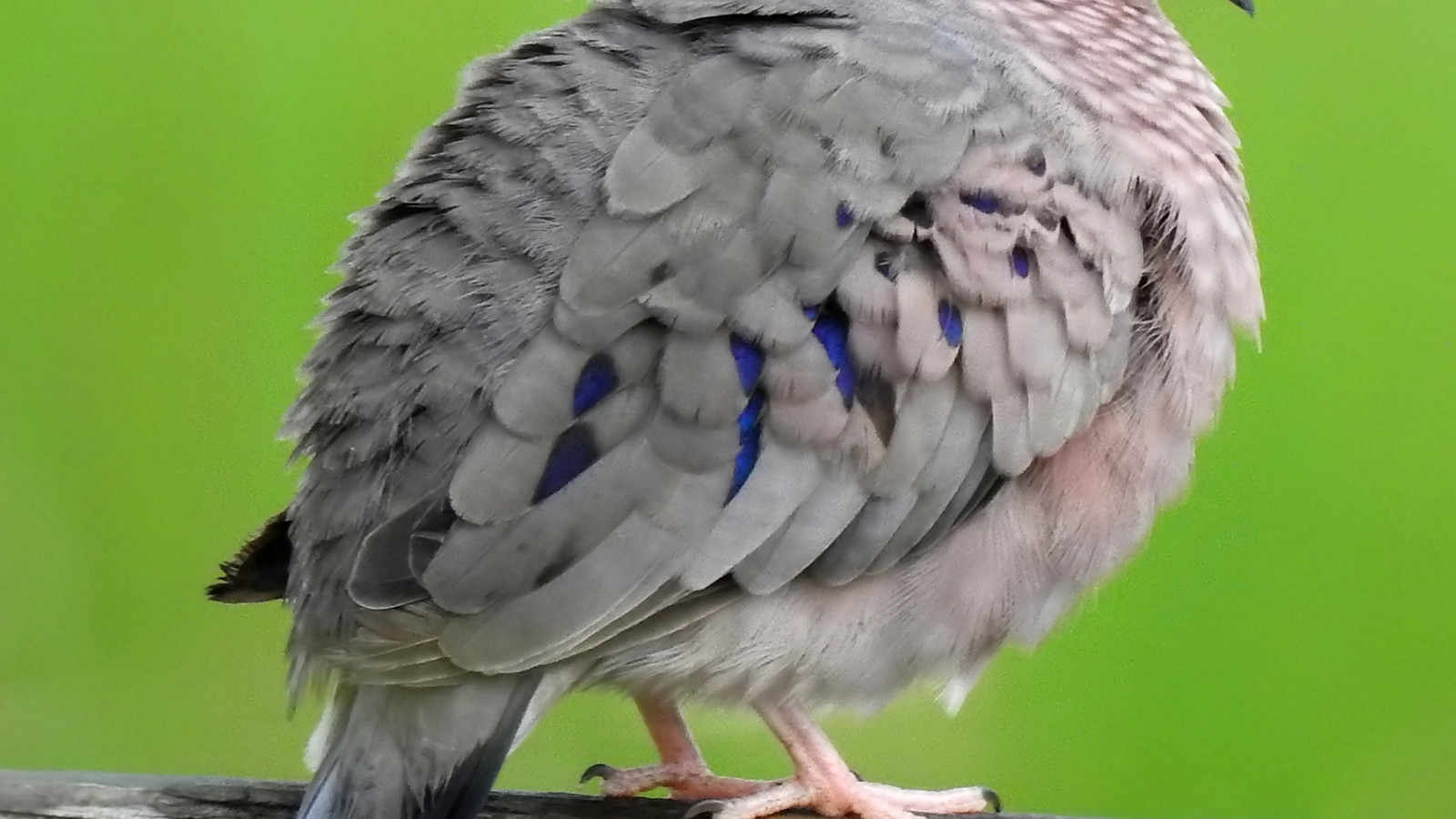
Very small dove with a short tail, pinkish bill base, reddish legs, dark wing spots, and a finely scaled pattern across the head and breast.