
Eastern Kingbird
Tyrannus tyrannus
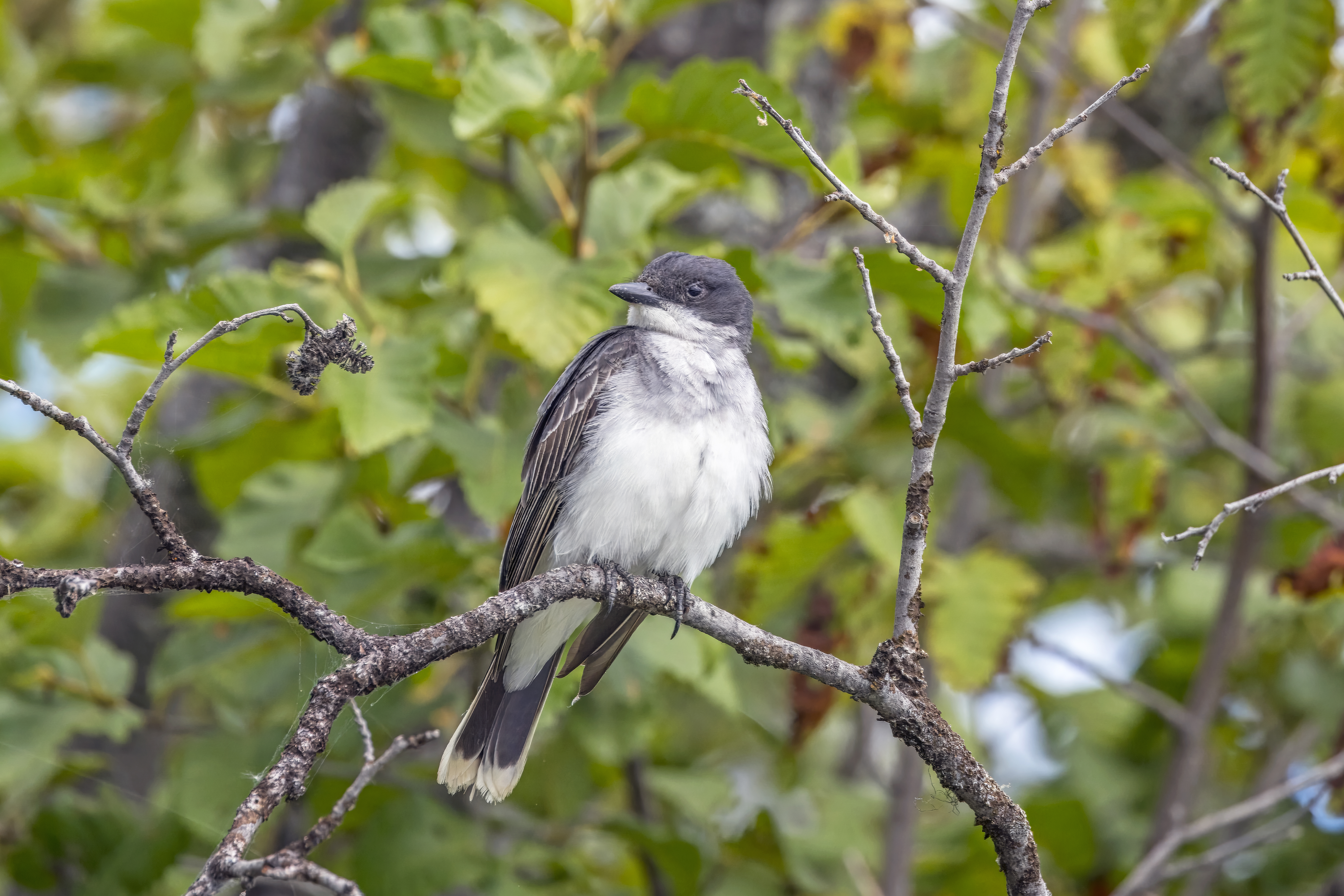
A dark-backed flycatcher with a white belly and white tail tip, often seen sallying from exposed perches.
Eastern Kingbirds use open country, pasture edges, wetlands, and scattered trees during the breeding season. They catch insects in flight from fence lines, branches, and utility wires.
In Florida, look for them most often during spring and fall passage and in suitable breeding areas in the warmer months.
Habitat:
Grasslands and Agricultural Areas, Freshwater Wetlands, Urban and Residential Areas
Area / Range:
Statewide
Diet:
Flying insects such as bees, wasps, beetles, grasshoppers, and flies make up much of the breeding-season diet. Fruit becomes more important on migration and wintering grounds.
Behavior:
A bird often launches from an exposed perch, catches prey in midair, and returns. Breeding adults defend nest territories vigorously, even chasing much larger birds.
Day
Active Times:
Best time to see:
Spring through early fall, especially in open fields and wetland edges
Florida Native Status:
Native Migratory Bird
Conservation Status:
Widespread, though long-term North American surveys have reported population declines.
Safety Level:
Harmless. Respect Nests
Safety Information:
Harmless to people and pets. Territorial adults may swoop near intruders at a nest, so give nesting birds space.
Benefits to Property:
By eating flying insects, Eastern Kingbirds contribute to insect control around open landscapes. Scattered native trees and reduced pesticide use support their prey.
Property Concerns:
They do not damage buildings or landscaping. Keep distance from active nests and avoid removing a nest-bearing branch during breeding.
Fun Fact:
The white tail tip is an easy field mark when the bird flies away. Its hidden crown patch is rarely visible during routine observation.
Wildlife Laws:
Protected under the federal Migratory Bird Treaty Act. Do not capture or harm the birds or disturb active nests, eggs, or young without authorization.
Identification:
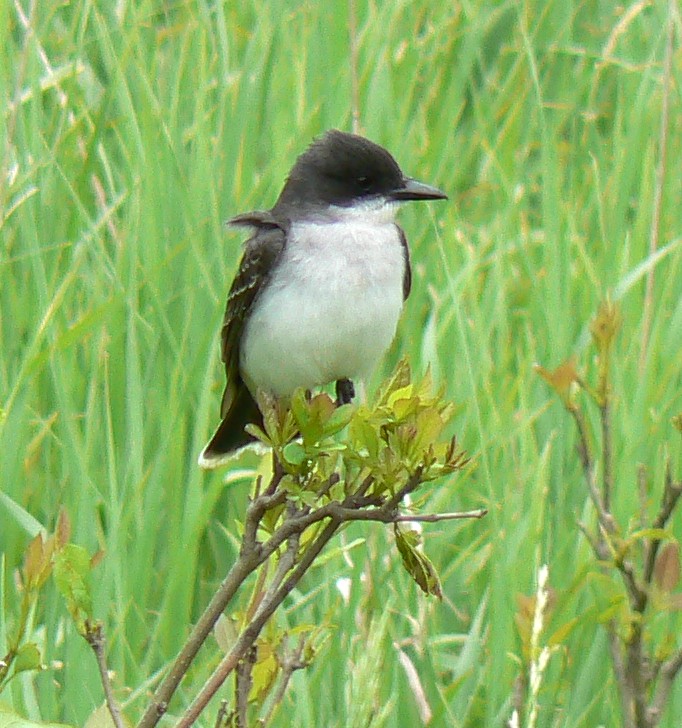
The head, back, wings, and tail are charcoal to blackish gray. The throat and belly are white, and a crisp white terminal band marks the square tail.
A small orange-red crown patch is usually concealed. The broad bill is suited to catching flying insects.