
Florida Bobcat
Lynx rufus
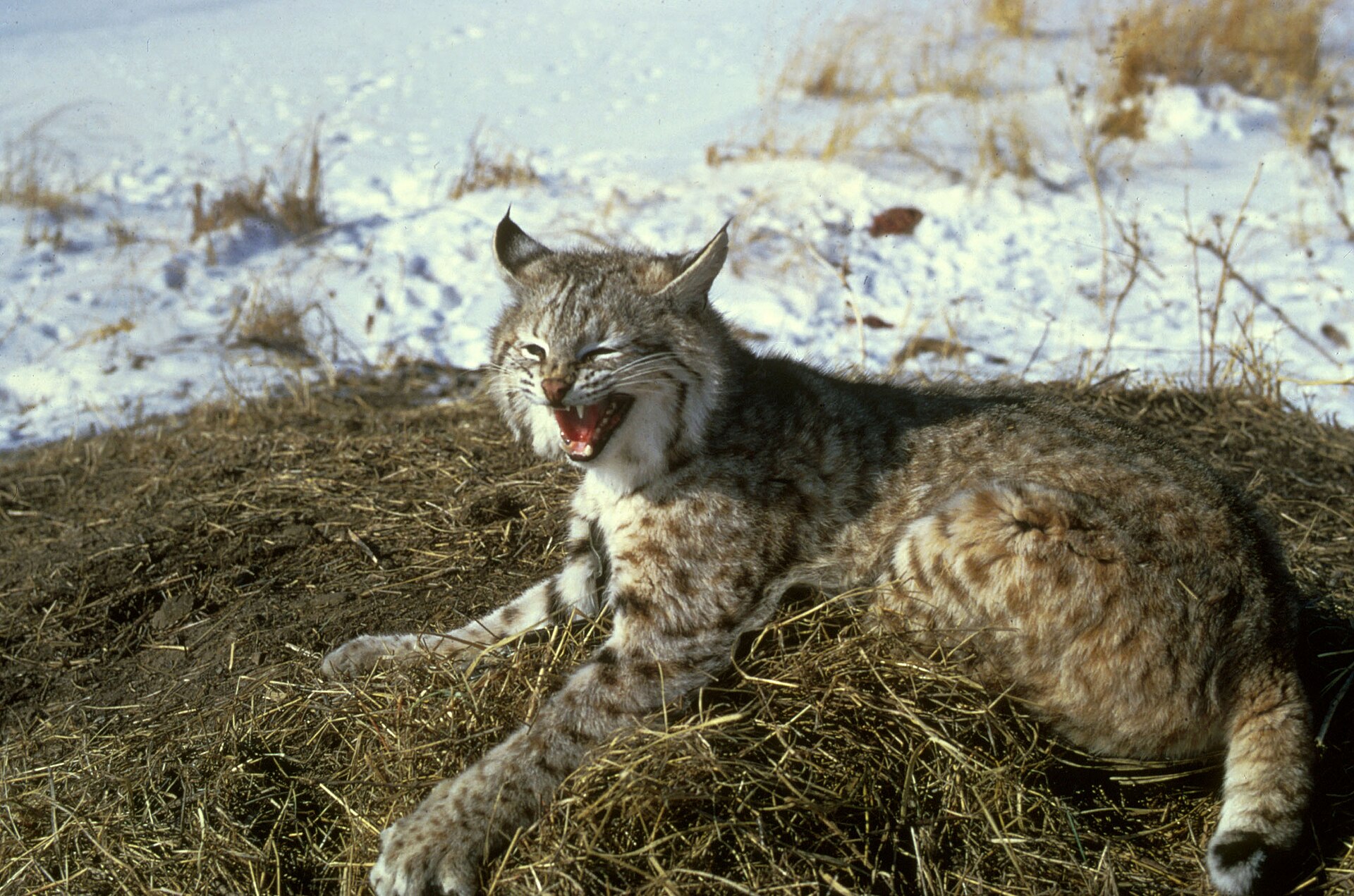
Bobcats can jump, climb, and swim. Their short tail separates them from Florida panthers.
Bobcats can jump, climb, and swim. Their short tail separates them from Florida panthers. Do not feed or approach bobcats. Hunting and trapping follow current FWC seasons and rules.
Habitat:
Freshwater Wetlands, Scrub and Dry Prairie, Forests and Woodlands, Urban and Residential Areas
Area / Range:
Statewide
Diet:
Rabbits, rodents, birds, and small mammals.
Behavior:
Solitary and secretive. Most active near dusk, night, and dawn.
Dusk, Night, and Dawn
Active Times:
Best time to see:
Look during dusk, night, and dawn in suitable Florida habitat.
Florida Native Status:
Native
Conservation Status:
Managed native furbearer
Safety Level:
Use Caution. Keep Distance
Safety Information:
Do not feed or approach bobcats. Hunting and trapping follow current FWC seasons and rules.
Benefits to Property:
Bobcats control rodents and other small-animal populations.
Property Concerns:
Small pets and poultry left outside face occasional risk.
Fun Fact:
Bobcats can jump, climb, and swim. Their short tail separates them from Florida panthers.
Wildlife Laws:
Do not feed or approach bobcats. Hunting and trapping follow current FWC seasons and rules.
Identification:
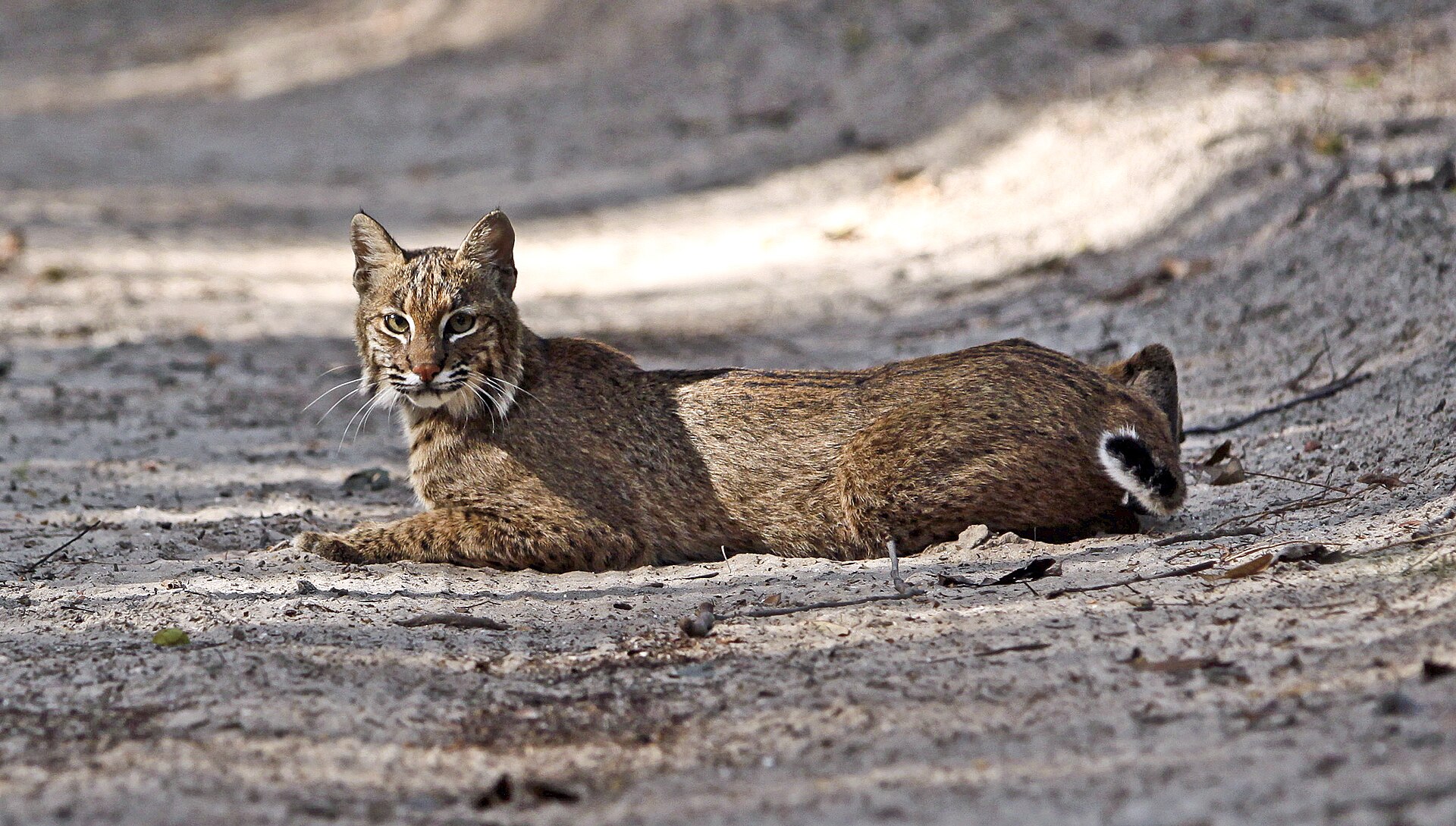
A medium wild cat with a short bobbed tail, spotted coat, pointed ears, and cheek ruffs.
Credits:
Facts: wildlife reference. Images: primary image and secondary image, Wikimedia Commons.