
Florida Reef Gecko
Sphaerodactylus notatus
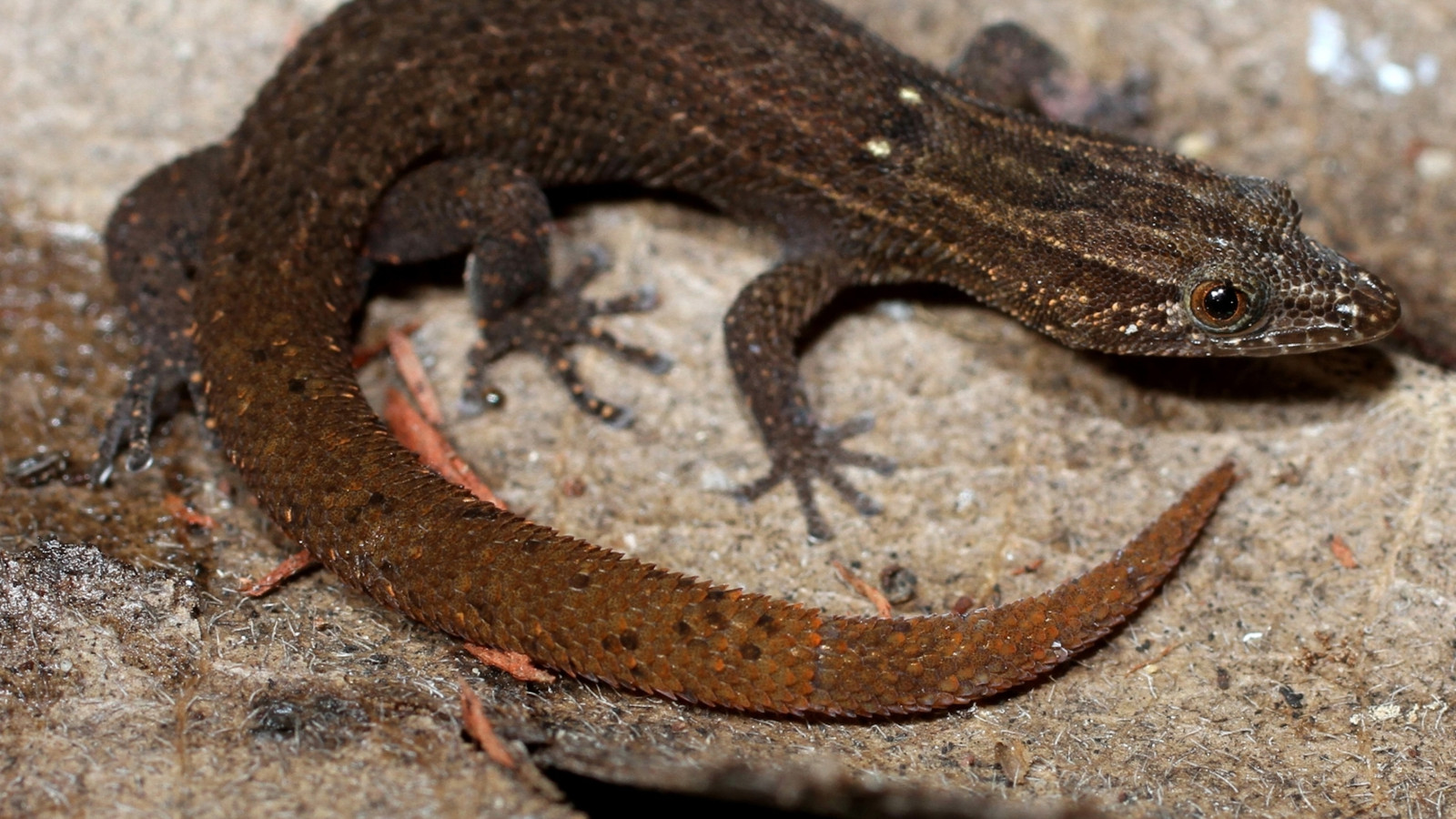
A tiny native gecko of South Florida and the Keys that lives in leaf litter, limestone, and sheltered crevices.
The Florida Reef Gecko is the only gecko considered native to Florida. It occupies warm coastal hammocks, pinelands, Keys habitats, and sheltered urban sites with leaf litter and loose cover.
Its small size and cryptic brown pattern make it easy to overlook. Rising seas, development, storms, and competition with introduced geckos threaten remaining habitat.
Habitat:
Forests and Woodlands, Beaches and Dunes, Urban and Residential Areas
Area / Range:
South Florida, Florida Keys
Diet:
Feeds on ants, termites, springtails, tiny beetles, spiders, and other small invertebrates.
Behavior:
Hides beneath leaves, bark, rocks, and limestone by day, then forages during low-light periods. Females lay single eggs in protected sites.
Dawn and Dusk, Nighttime
Active Times:
Best time to see:
Warm humid evenings in South Florida and the Keys beneath natural cover or near sheltered limestone crevices.
Florida Native Status:
Native
Conservation Status:
Florida state-designated Threatened; not federally listed.
Safety Level:
Low
Safety Information:
Harmless and extremely delicate. Do not handle, trap, or disturb occupied cover.
Benefits to Property:
Consumes tiny insects and spiders and adds native biodiversity to coastal landscapes.
Property Concerns:
No damage concern. Removing leaf litter, sealing every natural crevice, or broad pesticide use can eliminate local habitat.
Fun Fact:
- It is Florida's only native gecko.
- Adults are little more than two inches long.
- The tail can detach when the animal escapes a predator.
Wildlife Laws:
Protected under Florida's rules for state-designated Threatened species. Take, possession, sale, and habitat disturbance require compliance with FWC authorization.
Identification:
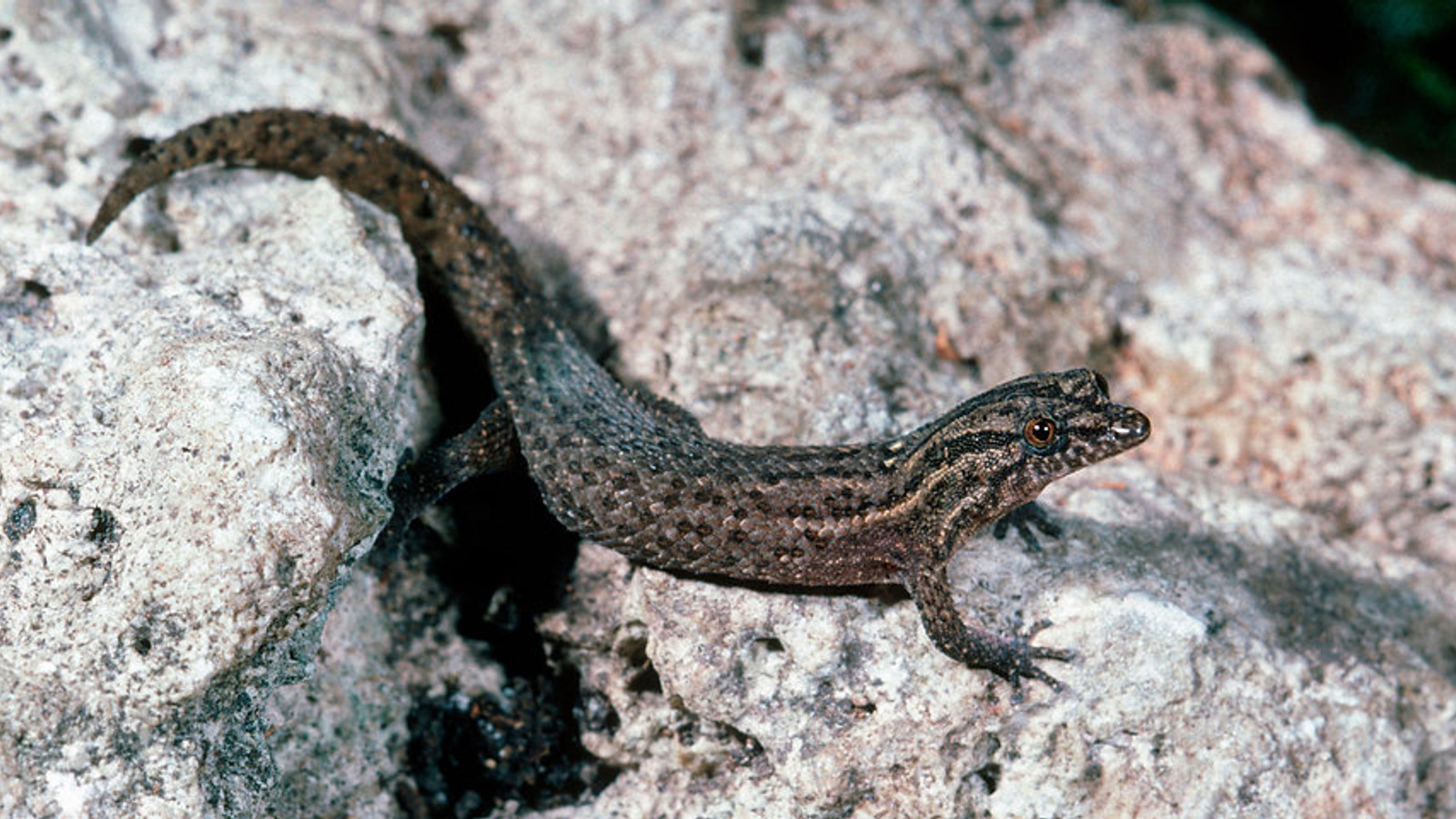
Tiny brown gecko with a pointed snout, large eyes, keeled scales, and dark spots or crossbands. Adults measure only a little over two inches including the tail.