
Gulf Killifish
Fundulus grandis
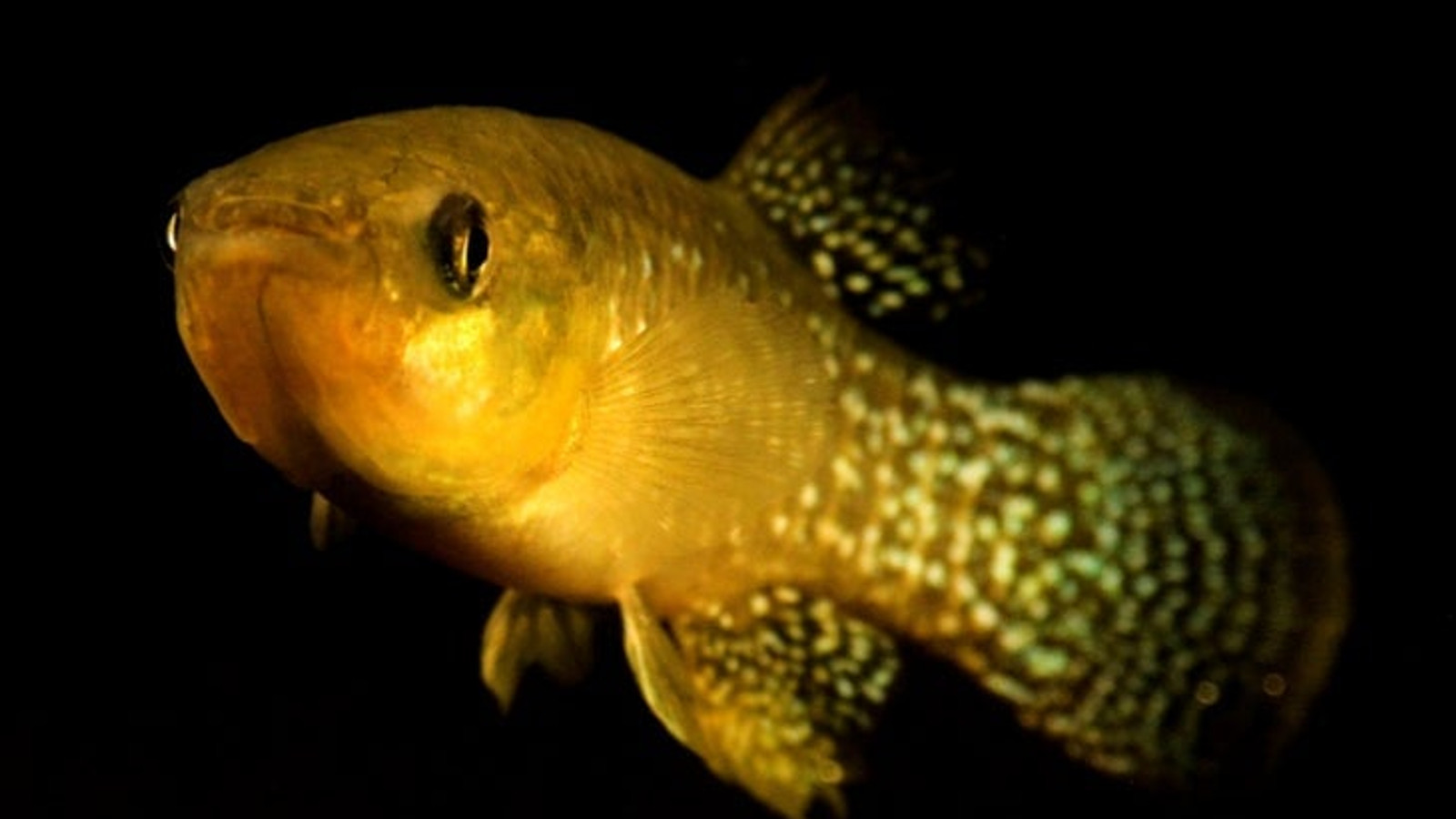
A hardy Gulf Coast baitfish that thrives in shallow salt marshes, tidal creeks, and brackish ditches.
Gulf Killifish occupy shallow estuarine water where salinity and temperature change quickly. They use marsh edges, mangrove shorelines, tidal pools, and drainage connections as feeding and nursery habitat.
The species tolerates low oxygen and other stressful conditions, but healthy coastal wetlands remain essential for long-term populations.
Habitat:
Estuaries and Bays, Mangroves and Salt Marshes, Canals and Ditches, Coastal Waters
Area / Range:
Florida Panhandle, South Florida, Gulf Coast
Diet:
Eats small crustaceans, insect larvae, worms, snails, algae, and organic material.
Behavior:
Schools in shallow water, moves with tides, and spawns among flooded marsh vegetation. It quickly retreats to deeper pockets when disturbed.
Dawn and Dusk, Daytime, Nighttime
Active Times:
Best time to see:
High tide along salt-marsh edges, mangrove creeks, and shallow brackish ditches.
Florida Native Status:
Native
Conservation Status:
Not federally or state listed; coastal wetland loss and water contamination affect local habitat.
Safety Level:
Low
Safety Information:
Harmless. Use wet hands and gentle handling if collected legally for identification or bait.
Benefits to Property:
Transfers energy from marsh food webs to larger sport fish, wading birds, and other predators.
Property Concerns:
No direct property concern. Blocked tidal flow, shoreline hardening, and polluted runoff reduce habitat quality.
Fun Fact:
- It tolerates wide salinity swings.
- It is one of the largest Fundulus killifish.
- Many coastal predators depend on it as forage.
Wildlife Laws:
Collection and use as bait follow Florida saltwater fishing license, gear, possession, and local area rules. Protected areas can prohibit collection.
Identification:
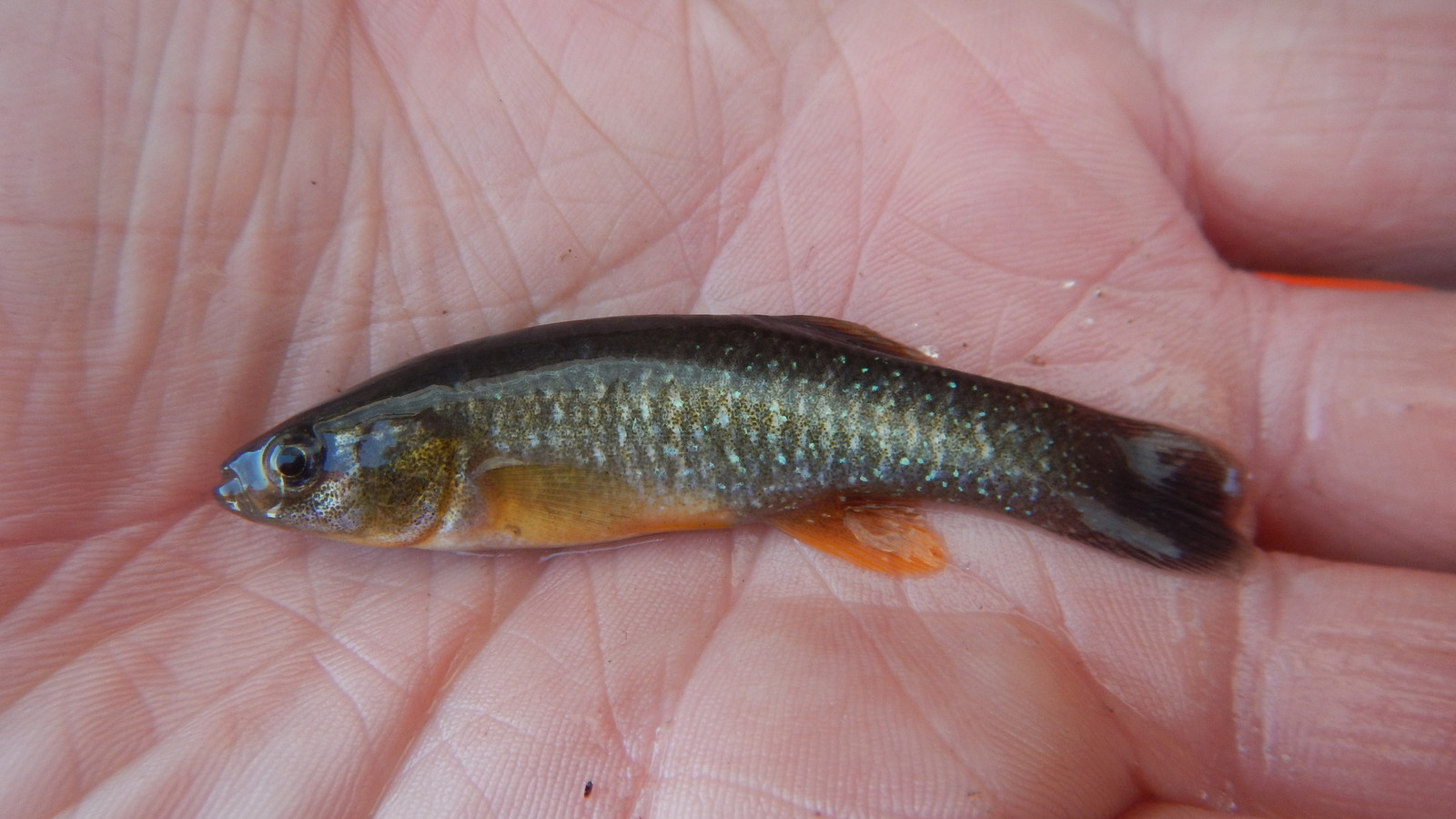
Stocky elongated fish with a rounded tail, upturned mouth, and small scales. Males show dark vertical bars and bright speckling, while females are plainer with irregular spots.