
Holbrook's Southern Dusky Salamander
Desmognathus auriculatus
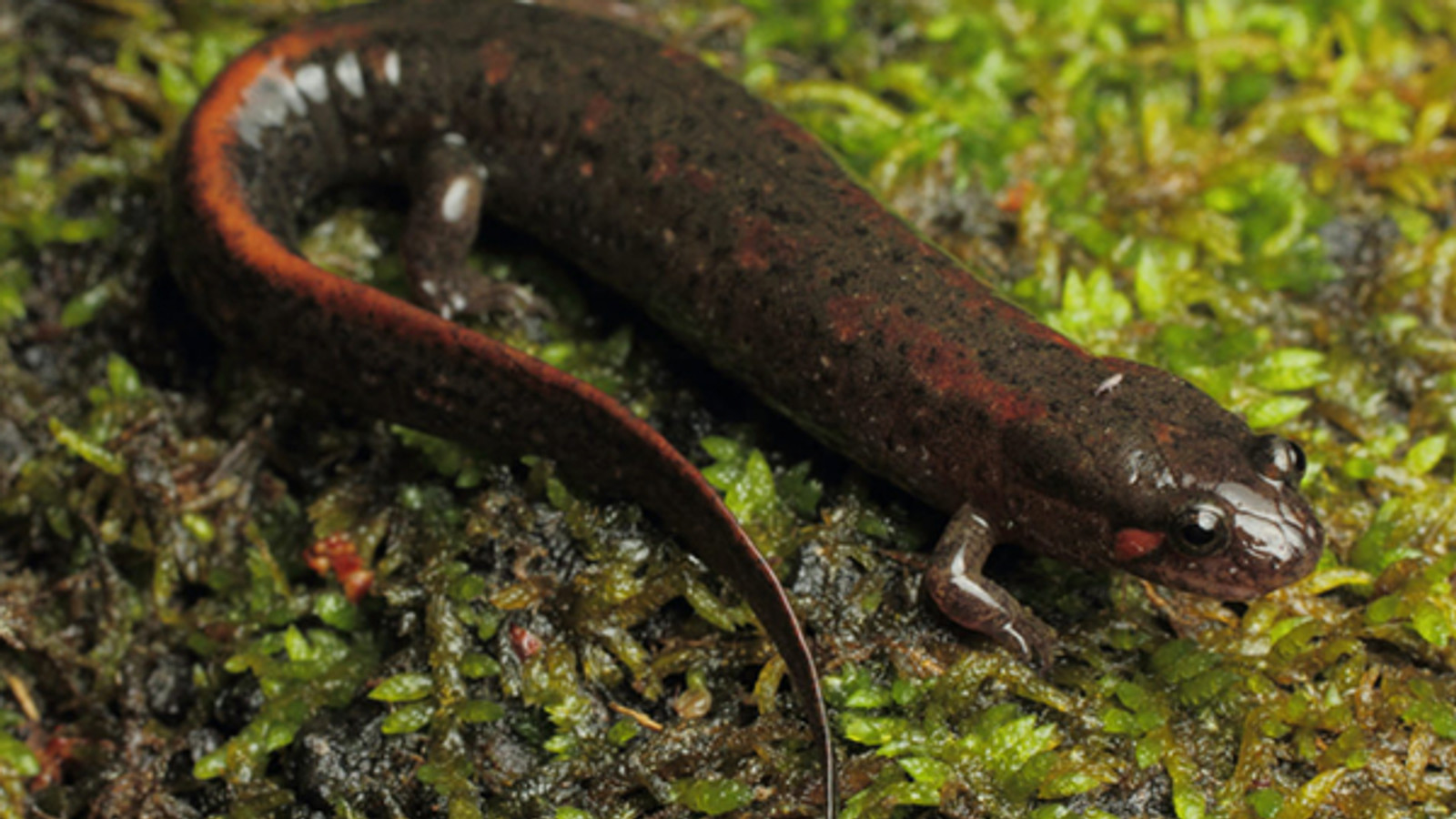
A dark, secretive swamp salamander of northern Florida whose surviving populations have undergone severe unexplained declines.
Holbrook's southern dusky salamander is a lungless, semiaquatic salamander associated with tannic swamps, floodplains, seepages, and slow-moving forested wetlands. It breathes through its skin and mouth lining, so cool, moist shelter is essential.
Once much more widespread, the species has disappeared from many historic localities. Remaining Florida strongholds are concentrated in protected wetlands of the Panhandle and north Florida.
Habitat:
Forests and Woodlands, Freshwater Wetlands, Rivers and Springs
Area / Range:
Florida Panhandle, North Florida
Diet:
It eats small invertebrates found in wet leaf litter, muck, and along the water's edge, including insects, worms, crustaceans, and other tiny prey.
Behavior:
Mostly nocturnal and secretive, it shelters beneath logs, leaves, roots, and saturated debris beside water. Females guard eggs in moist protected sites, and larvae develop in water.
Night and wet overcast periods
Active Times:
Best time to see:
After rain in cool, wet seasons near undisturbed swamp margins
Florida Native Status:
Native
Conservation Status:
Not federally listed; severe unexplained declines and a highly reduced occupied range
Safety Level:
Harmless
Safety Information:
This salamander is harmless, but its permeable skin is delicate. Avoid touching it; oils, sunscreen, insect repellent, and dry hands can injure amphibians.
Benefits to Property:
It consumes small invertebrates and is an indicator of intact, moist wetland habitat and good ecological connectivity.
Property Concerns:
It does not damage buildings, landscaping, or pets. Drainage changes, polluted runoff, soil compaction, and removal of wet woody cover can destroy its habitat.
Fun Fact:
This lungless salamander absorbs oxygen directly through moist skin. Its deep tail is adapted for swimming and burrowing through swamp muck.
Wildlife Laws:
Do not collect, move, or disturb wild salamanders without appropriate authorization. Protect wetlands, leave logs and leaf litter in place, and follow all rules on public conservation lands.
Identification:
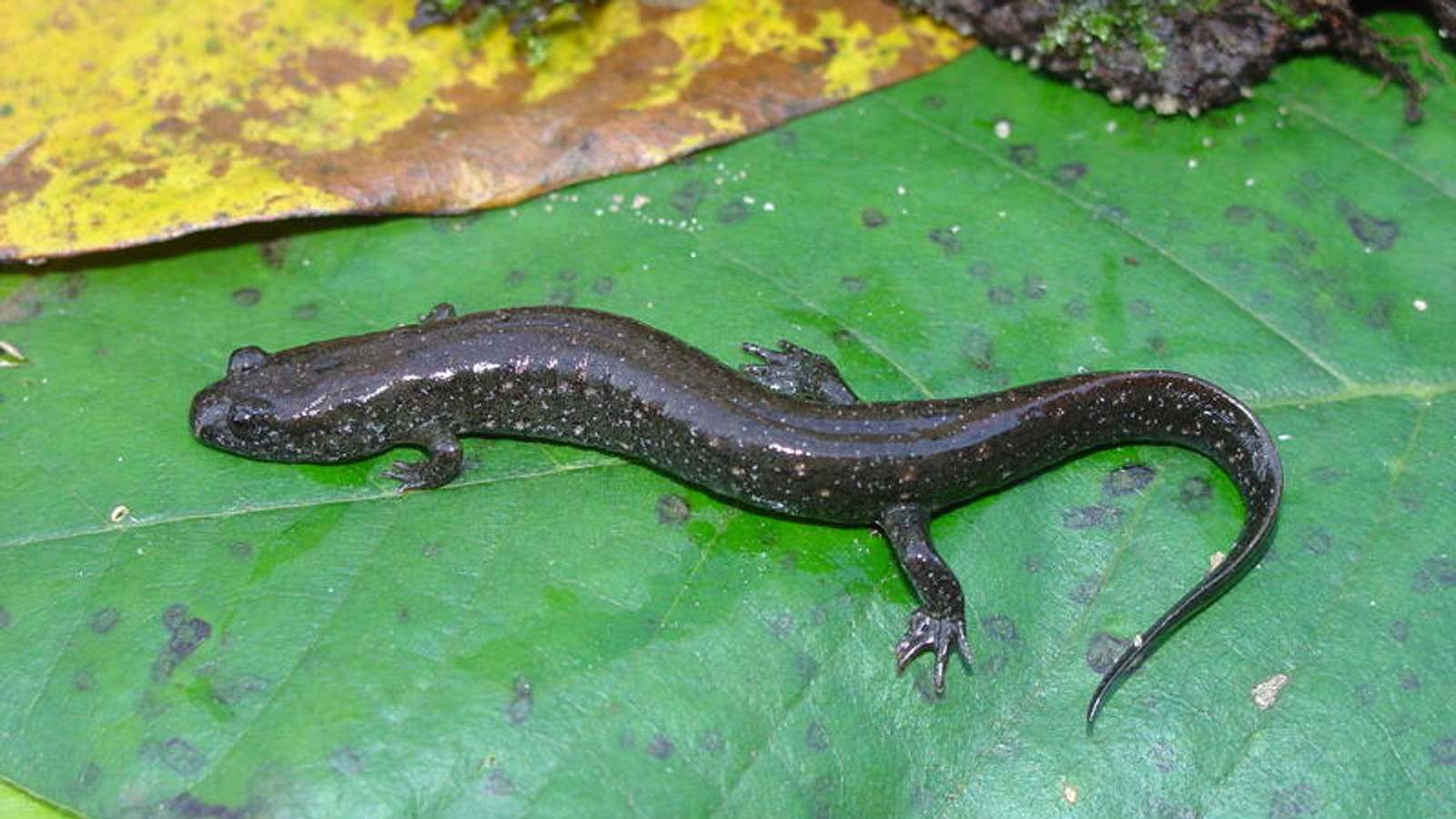
Adults are generally dark brown, black, or very dark olive with a dark belly that may carry fine pale flecks. A deep, blade-shaped, laterally compressed tail helps distinguish it from related dusky salamanders. Typical total length is 3 to 5 inches.