
Miami Blue Butterfly
Cyclargus thomasi bethunebakeri
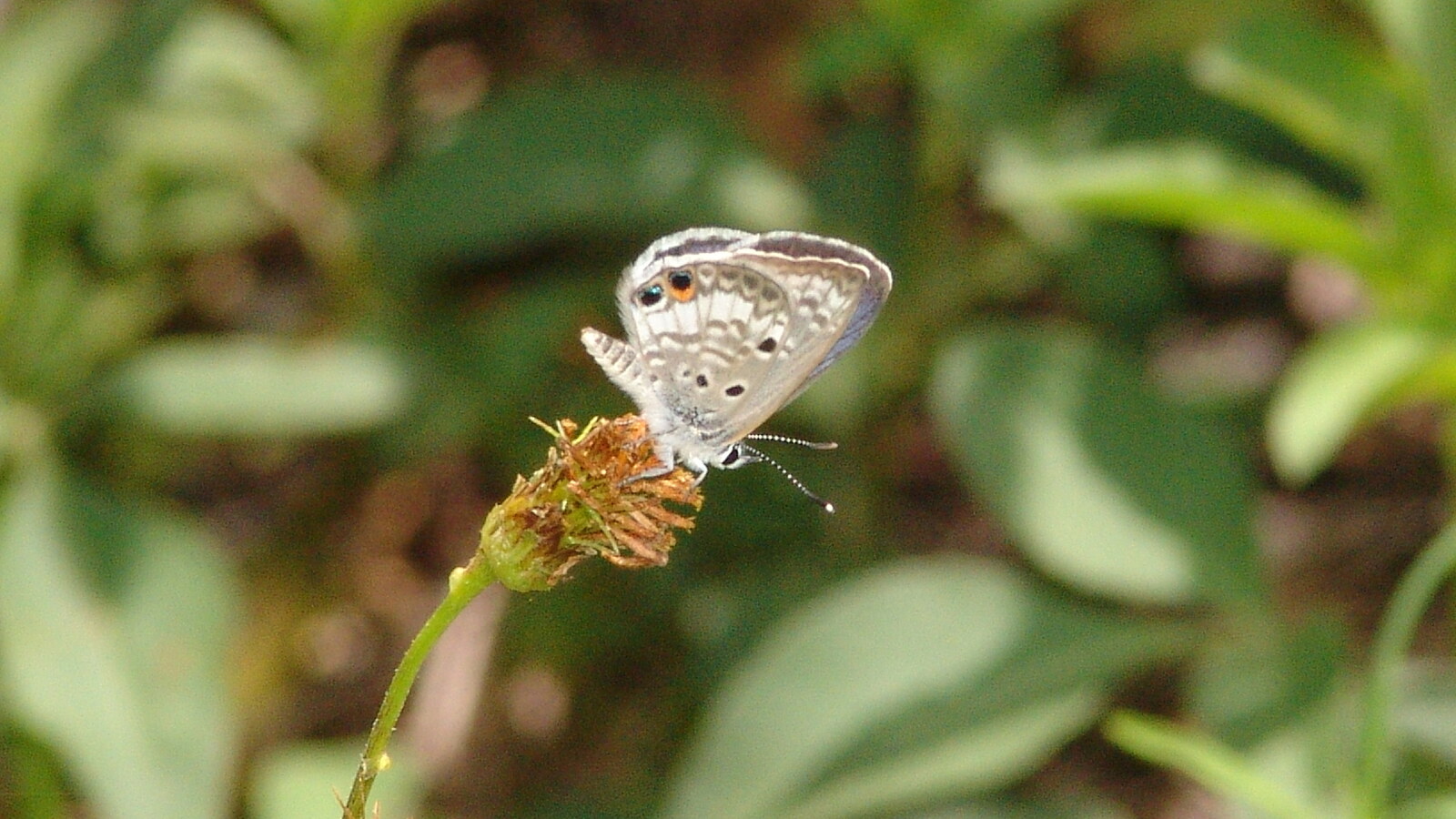
The Miami Blue is a tiny endangered butterfly once found widely along South Florida's coast and now limited mainly to the Keys.
Miami Blues use coastal openings, tropical hammocks, and disturbed sunny edges with suitable larval host plants.
Development, hurricanes, pesticides, invasive ants, and the loss of small coastal habitat patches drove a severe decline.
Habitat:
Beaches and Dunes, Mangroves and Salt Marshes, Scrub and Dry Prairie
Area / Range:
South Florida, Florida Keys
Diet:
Caterpillars use several coastal legumes and shrubs. Adults drink nectar from small native flowers.
Behavior:
Adults fly low around host plants and open vegetation. Females place eggs on tender growth and flower buds.
Day
Active Times:
Best time to see:
Warm sunny days in protected coastal habitat with active host plants and flowers.
Florida Native Status:
Native
Conservation Status:
Federally endangered and now confined to a very small number of protected populations in the Florida Keys.
Safety Level:
Low Risk
Safety Information:
Harmless. Do not handle adults, caterpillars, eggs, or host plants.
Benefits to Property:
Adults pollinate small flowers and support the ecological value of native coastal landscaping.
Property Concerns:
No property damage. Insecticides and removal of host plants are serious threats.
Fun Fact:
For years the Miami Blue was feared extinct before a small population was found in the Florida Keys.
Wildlife Laws:
Protected by the federal Endangered Species Act and Florida rules. Do not collect, harm, possess, sell, or disturb any life stage.
Identification:
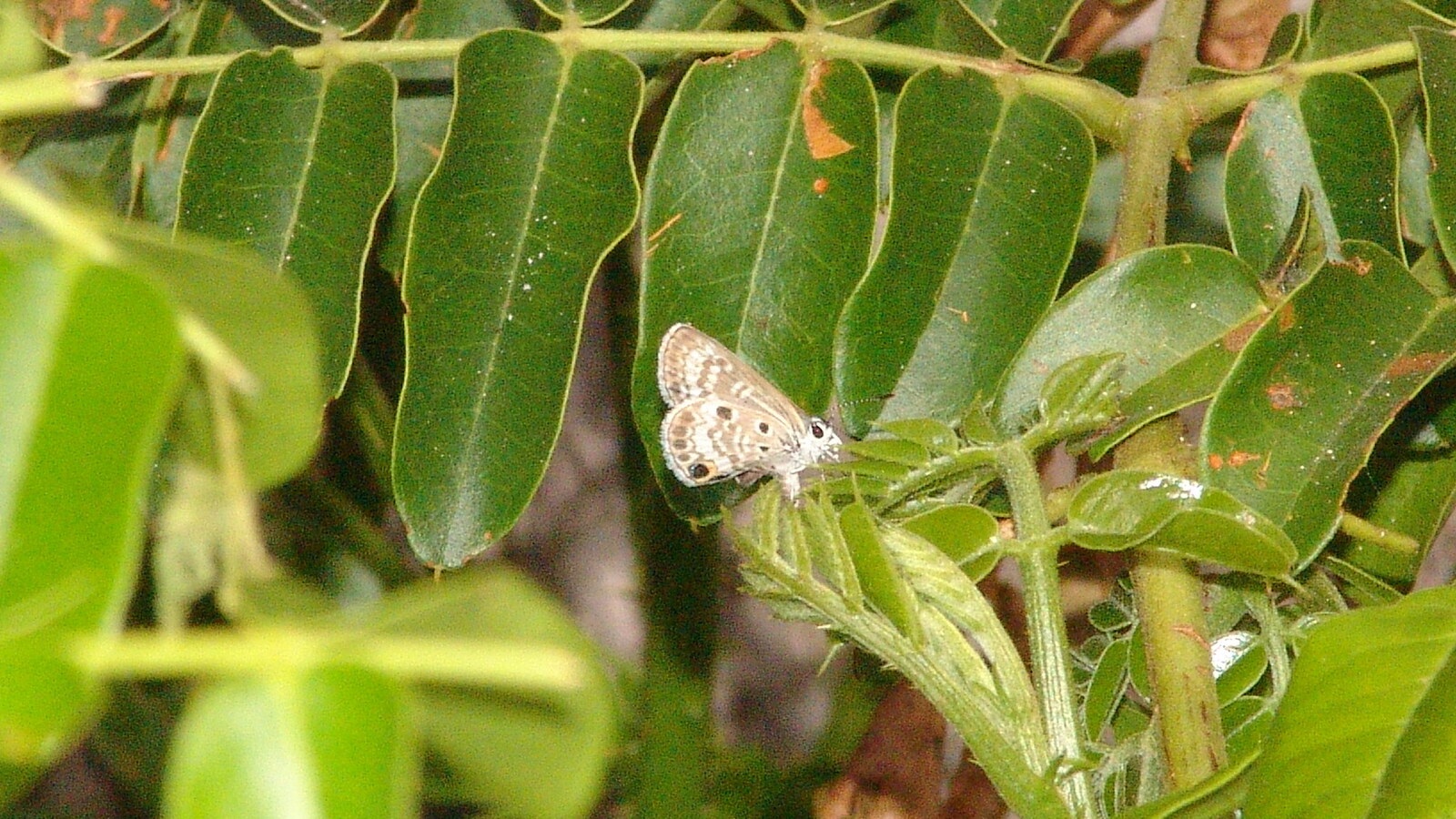
A very small blue butterfly. Males are bright blue above, females are darker with orange markings, and both show gray wing undersides with dark spots and orange near the hindwing.
Credits:
Recovery information: U.S. Fish and Wildlife Service. Photos: iNaturalist.