
Mole Salamander
Ambystoma talpoideum
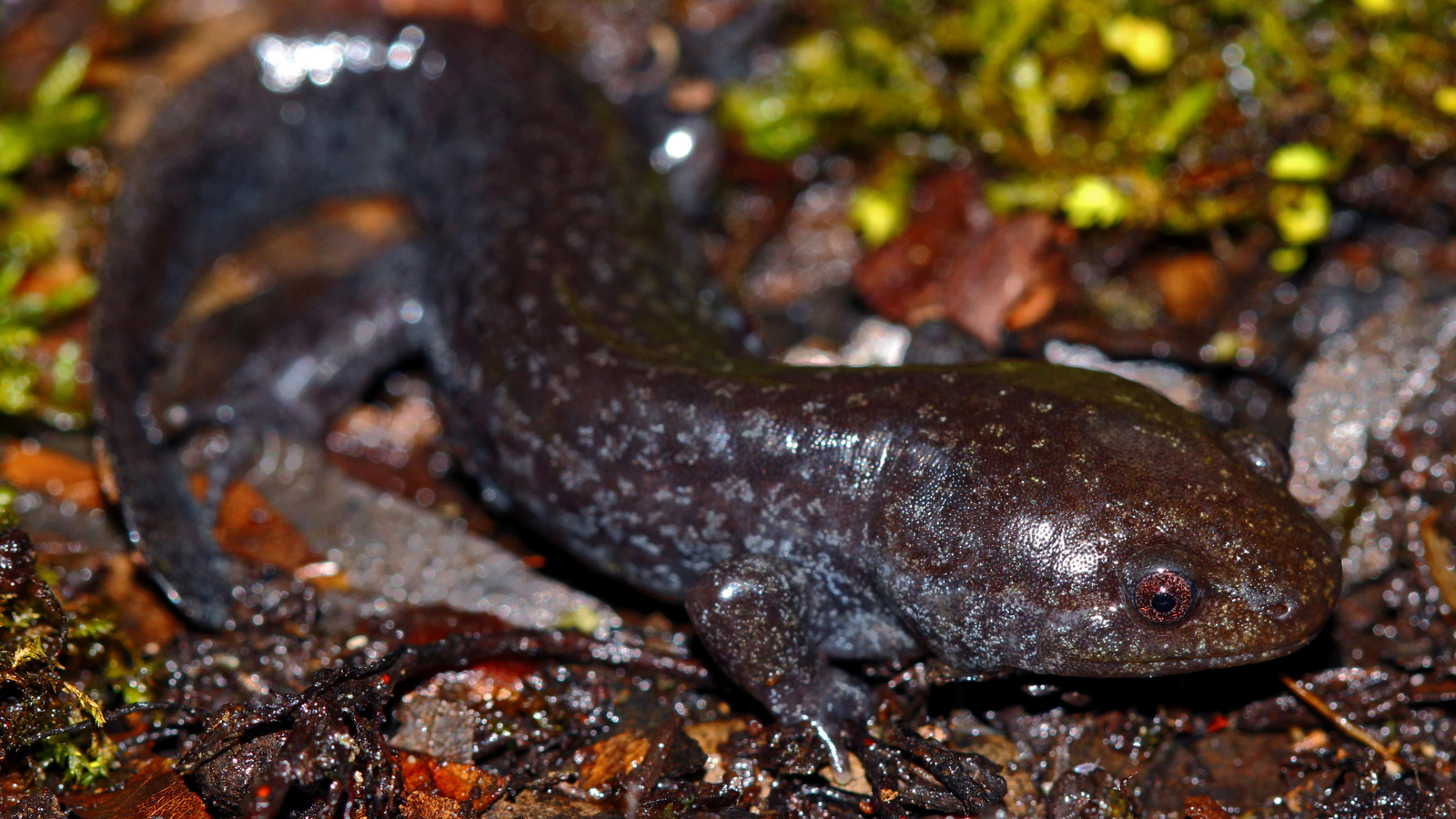
A small, secretive native salamander of northern Florida woodlands and temporary ponds.
Mole Salamanders spend much of the year hidden in moist soil, burrows, or leaf litter near freshwater wetlands. Adults emerge during wet periods and move to temporary ponds to breed.
They are native to Florida and easily overlooked because they spend so much time below ground.
Habitat:
Forests and Woodlands, Freshwater Wetlands, Pine Flatwoods and Sandhills
Area / Range:
Florida Panhandle, North Florida, Central Florida
Diet:
Feeds on small invertebrates such as insects, worms, and other soft-bodied prey.
Behavior:
Usually shelters underground or beneath cover. Moves to fish-free seasonal ponds during breeding periods, often after rain.
Night
Active Times:
Best time to see:
Rainy nights near temporary woodland ponds, especially during the cool breeding season
Florida Native Status:
Native
Conservation Status:
Native; breeding habitat is vulnerable to wetland loss and introduced predatory fish
Safety Level:
Harmless. Avoid Handling
Safety Information:
Observe without handling. Amphibian skin is sensitive to chemicals, and handling can injure the animal.
Benefits to Property:
Consumes small invertebrates and forms part of a healthy woodland wetland food web.
Property Concerns:
Seasonal ponds and surrounding leaf litter can be damaged by drainage, filling, heavy soil disturbance, and pesticide use.
Fun Fact:
Despite its name, the Mole Salamander is not a mole. The name refers to its habit of spending much of its life out of sight underground.
Wildlife Laws:
Florida regulates the taking and possession of native amphibians. Check current FWC rules before collecting, moving, or keeping a salamander; the safest choice is to leave it in place.
Identification:
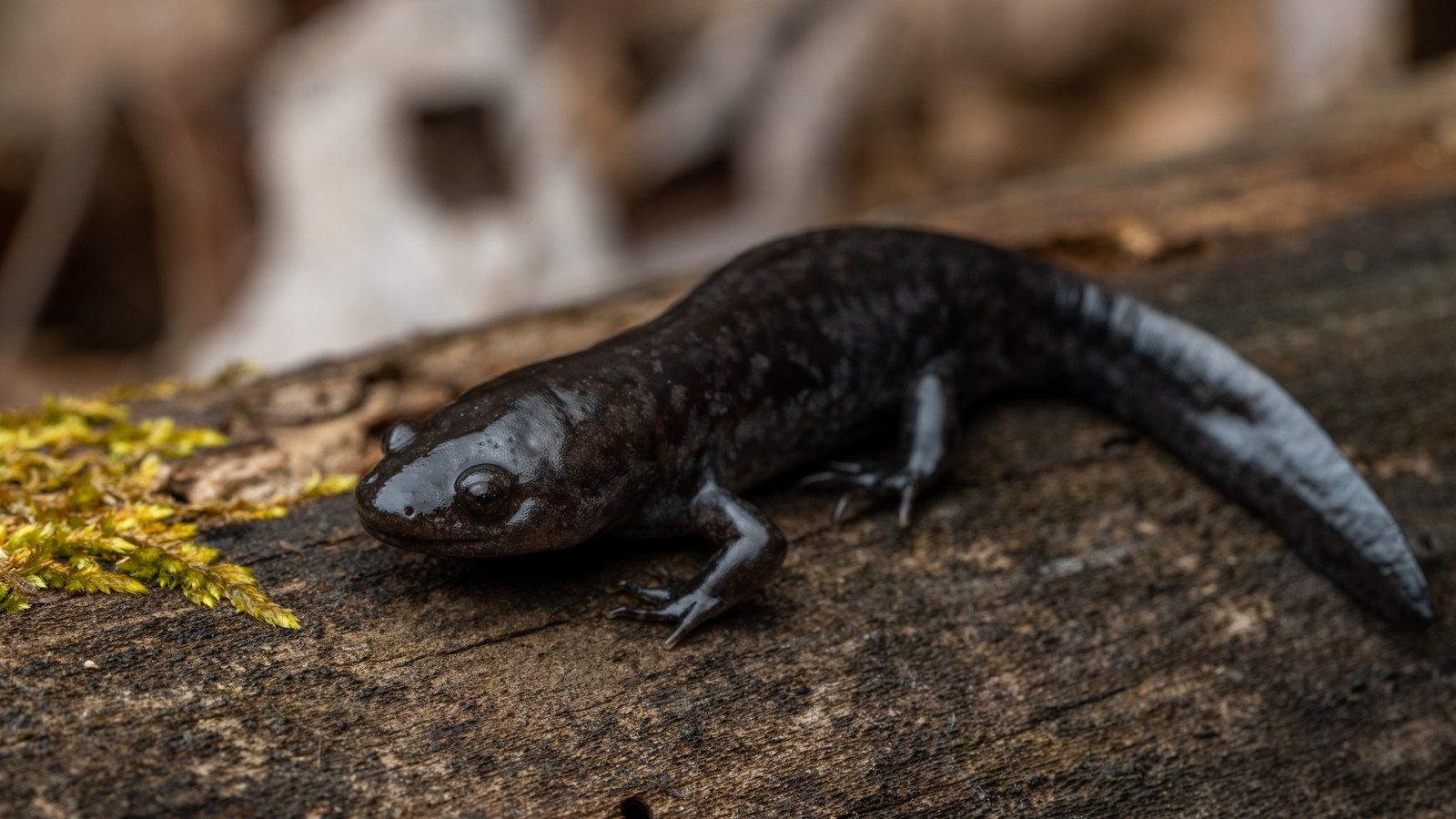
A stocky salamander with a broad head, short legs, and a dark brown to black body. Some individuals have fine pale flecks, but they lack the bold yellow blotches of the Eastern Tiger Salamander.
Adults are generally only a few inches long. Aquatic young have external gills before metamorphosis; some individuals retain aquatic traits as adults.