
Northern Parula
Setophaga americana
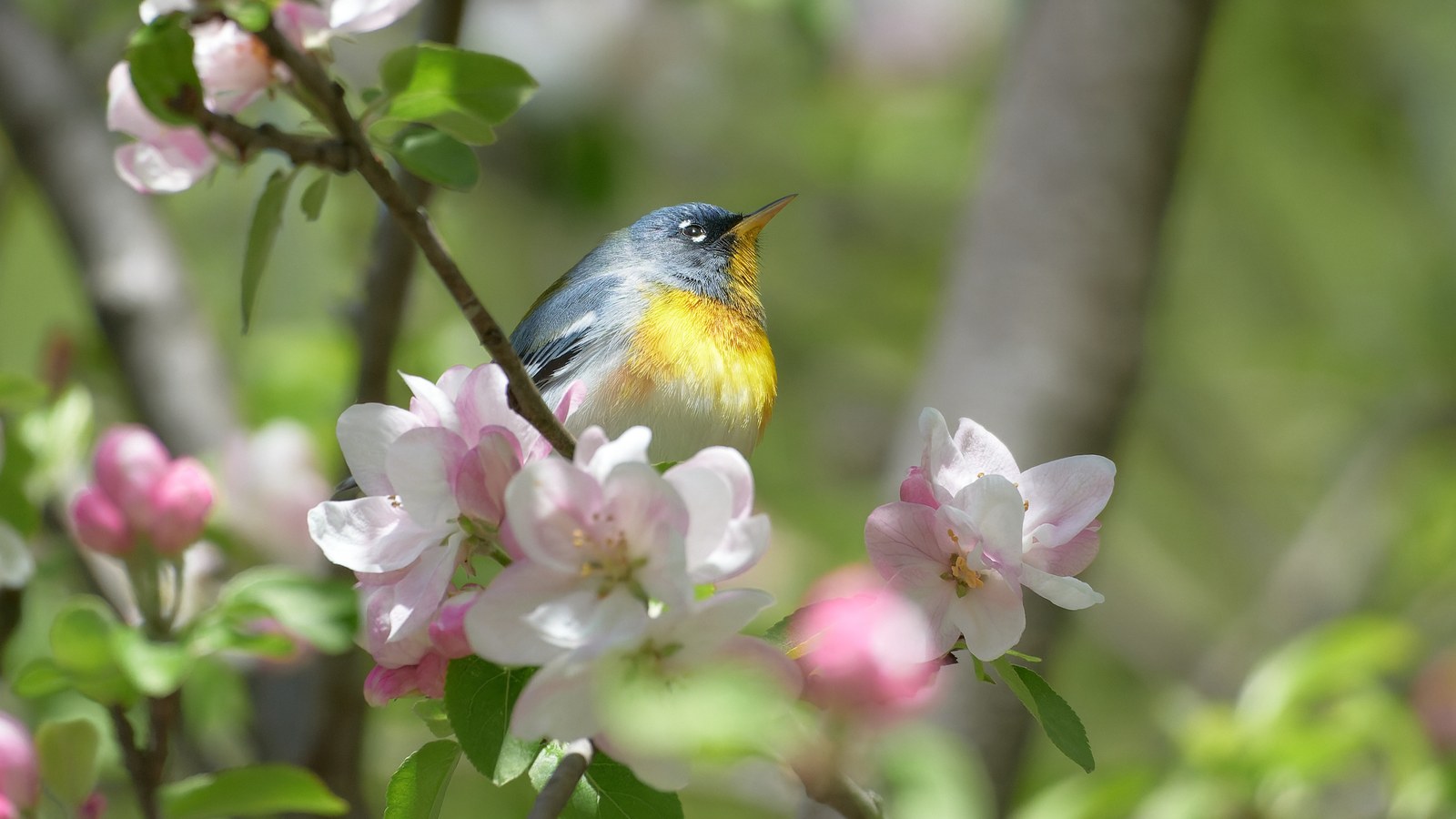
The northern parula is a small, colorful warbler that moves through Florida's tree canopy during migration and nests in humid northern woodlands.
Northern parulas are among Florida's smallest warblers. They forage high in live oaks, cypress, and other mature trees, where they pick insects from leaves and fine branches. Their rising, buzzy song often reveals them before their small bodies become visible.
Florida supports migrants across the state and breeding birds mainly in the northern peninsula and Panhandle. Woodlands with Spanish moss or other hanging vegetation give these birds suitable places to conceal their nests.
Habitat:
Forests and Woodlands, Freshwater Wetlands, Urban and Residential Areas
Area / Range:
Statewide
Diet:
They eat caterpillars, beetles, flies, spiders, and other small invertebrates. Small fruits and berries supplement the diet during migration.
Behavior:
Northern parulas move actively through the upper canopy, making short flights to catch insects and hanging beneath leaves to inspect hidden surfaces. Migrants sometimes join mixed flocks of other warblers.
Day
Active Times:
Best time to see:
Early morning during spring and fall migration, especially in mature oak and cypress trees.
Florida Native Status:
Native
Conservation Status:
Least Concern globally. Local numbers depend on mature, humid woodland and healthy migration habitat.
Safety Level:
Harmless
Safety Information:
Observe from a distance. Keep cats indoors, reduce nighttime lighting during migration, and use bird-safe window treatments where collisions occur.
Benefits to Property:
Northern parulas consume many leaf-feeding insects. Mature native trees and layered vegetation help support them during migration.
Property Concerns:
They cause no meaningful property damage. Window collisions, free-roaming cats, and broad pesticide use pose greater risks to the birds.
Fun Fact:
The northern parula's name comes from an older scientific name. Its song ends with a sudden downward note that many birders use for identification.
Wildlife Laws:
Northern parulas are protected by the federal Migratory Bird Treaty Act. Do not capture birds or disturb active nests, eggs, or young.
Identification:
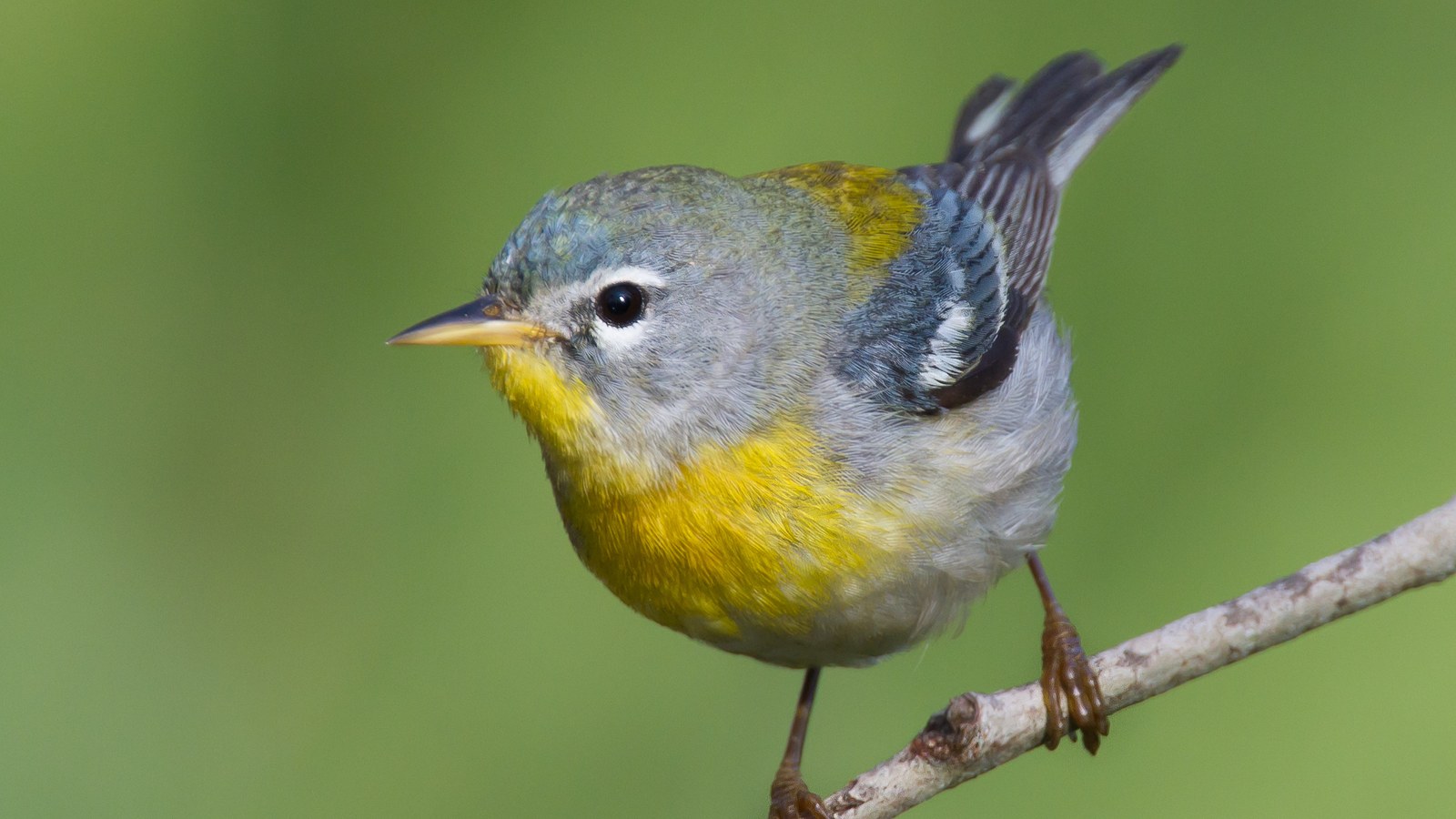
Look for a compact warbler with a blue-gray back, yellow throat and breast, white wing bars, and a greenish patch across the upper back. Adult males often show a narrow chest band with rusty and dark markings.
Credits:
Facts: Cornell Lab of Ornithology. Images: primary and secondary, Wikimedia Commons.