
Northern Yellow Bat
Lasiurus intermedius
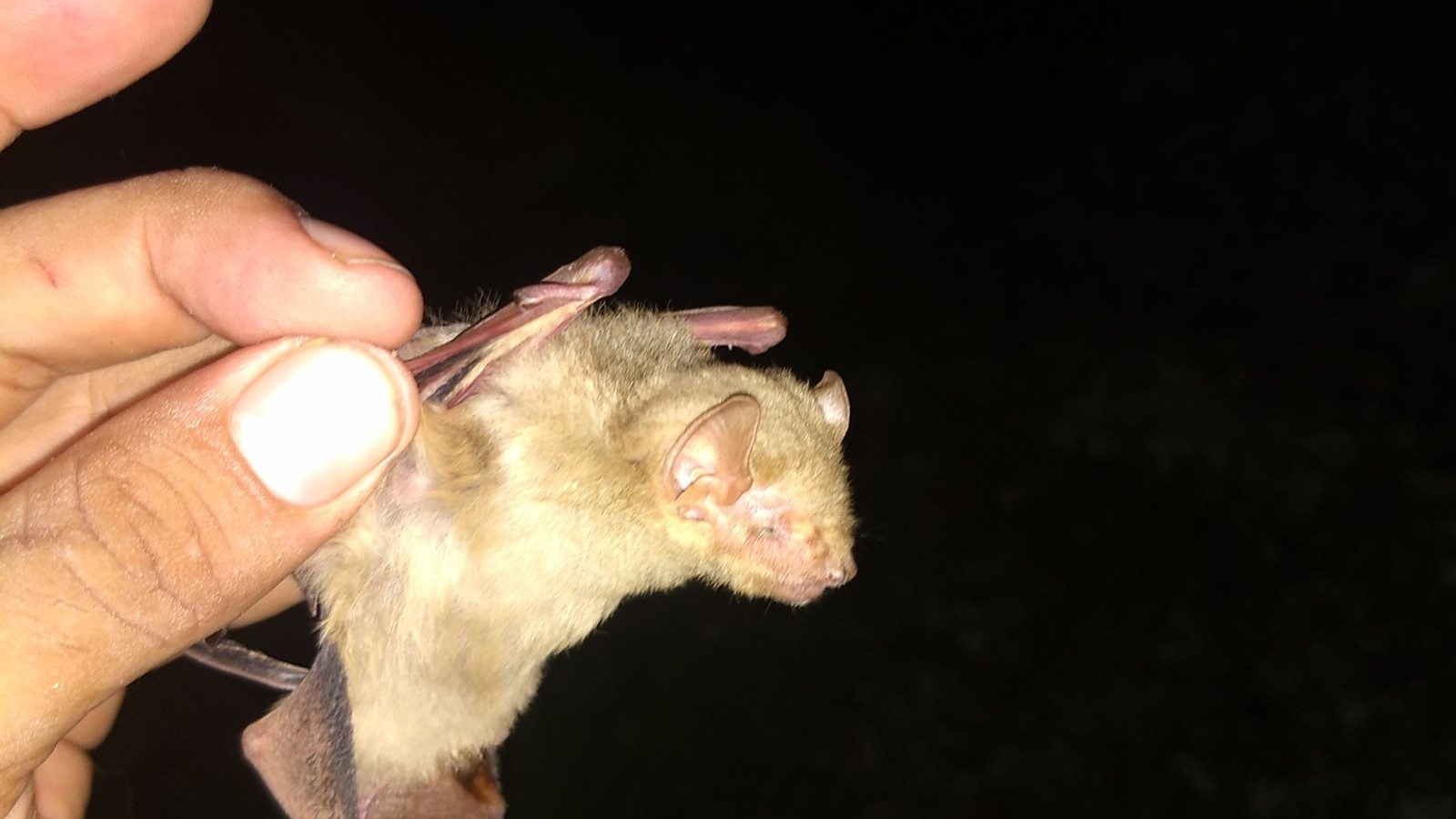
One of Florida's larger tree-roosting bats, recognized by thick yellowish fur and a strong association with palms and Spanish moss.
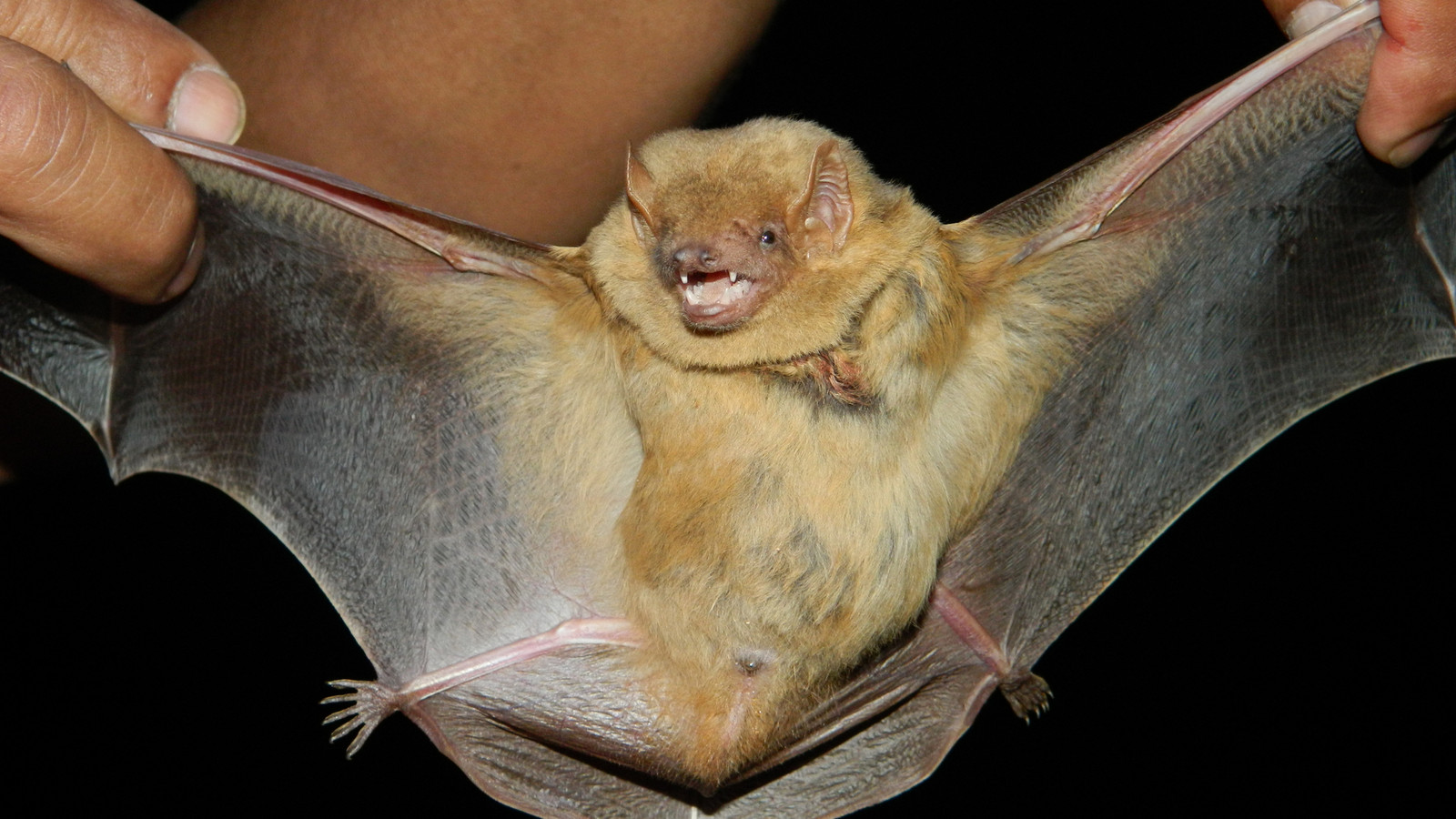
The Northern Yellow Bat is a nonmigratory Florida native that roosts in hanging dead palm fronds and clumps of Spanish moss. Its dense yellow to gray-brown fur camouflages it against dry vegetation.
It emerges around dusk to feed over grassy openings, wetlands, roads, golf courses, and other open flyways. Females may form small maternity groups, while males are usually solitary.
Habitat:
Forests and Woodlands, Freshwater Wetlands, Urban and Residential Areas
Area / Range:
North Florida, Central Florida, South Florida, Atlantic Coast, Gulf Coast
Diet:
Feeds on flying insects such as beetles, flies, flying ants, leafhoppers, mosquitoes, and other night-active prey located with echolocation.
Behavior:
Roosts alone or in small groups among dead palm fronds and Spanish moss, then emerges at dusk to forage over open areas. It remains active year-round except during unusually cold weather.
Night
Active Times:
Best time to see:
Year-round shortly after sunset near palms, Spanish moss, freshwater edges, and open grassy flyways
Florida Native Status:
Native
Conservation Status:
A Florida Species of Greatest Conservation Need; loss of palm-frond and Spanish-moss roosts plus pesticide-driven prey declines are important threats
Safety Level:
Harmless. Avoid Handling
Safety Information:
Bats normally avoid people, but any wild bat can bite if handled. Never touch a grounded bat with bare hands; keep pets away and contact a wildlife professional when help is needed.
Benefits to Property:
Provides natural nighttime insect control, including consumption of mosquitoes, flies, beetles, and agricultural pests.
Property Concerns:
This species rarely roosts in occupied buildings. Removing dead palm fronds or Spanish moss can eliminate valuable roost sites, especially during the maternity season.
Fun Fact:
The yellowish coat provides effective camouflage among dry palm leaves and Spanish moss.
Florida females commonly give birth to three or four pups in early summer.
Wildlife Laws:
Florida law protects bats from direct handling and improper exclusion. Bat exclusions from buildings are seasonally restricted; follow current Florida Fish and Wildlife Conservation Commission guidance.
Identification:
A large, robust yellowish bat with long thick fur, small ears, and a heavily furred body. Females are typically larger than males. The golden or gray-brown coat and furred tail membrane help distinguish it from darker evening bats.