
Peninsula Mole Skink
Plestiodon egregius onocrepis
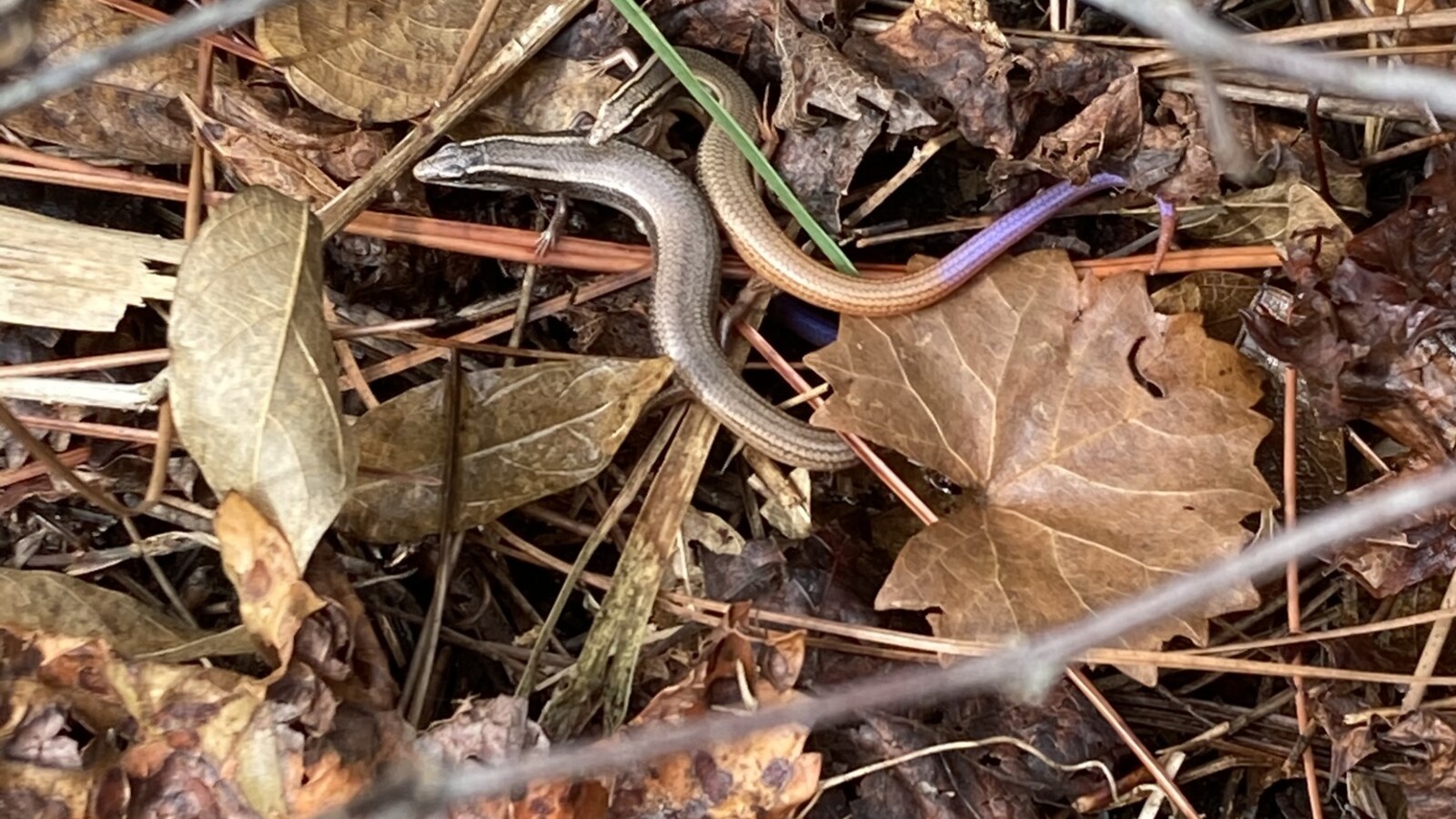
The Peninsula Mole Skink is a slender, sand-burrowing lizard found in dry habitats across peninsular Florida.
Peninsula Mole Skinks live in loose sand beneath leaf litter, fallen wood, palmetto roots, and low vegetation.
They spend most of their lives below the surface, so healthy soil structure and undisturbed ground cover matter more than open basking sites.
Habitat:
Pine Flatwoods and Sandhills, Scrub and Dry Prairie, Beaches and Dunes
Area / Range:
Central Florida, South Florida
Diet:
Small insects, spiders, termites, beetle larvae, and other soil invertebrates.
Behavior:
It swims through loose sand and quickly disappears beneath litter when exposed. The tail can break free to distract predators.
Day, Dusk
Active Times:
Best time to see:
Warm days after rain when animals move near the surface in sandy habitat.
Florida Native Status:
Native
Conservation Status:
Locally sensitive to development, soil compaction, beach disturbance, and loss of scrub habitat.
Safety Level:
Low Risk
Safety Information:
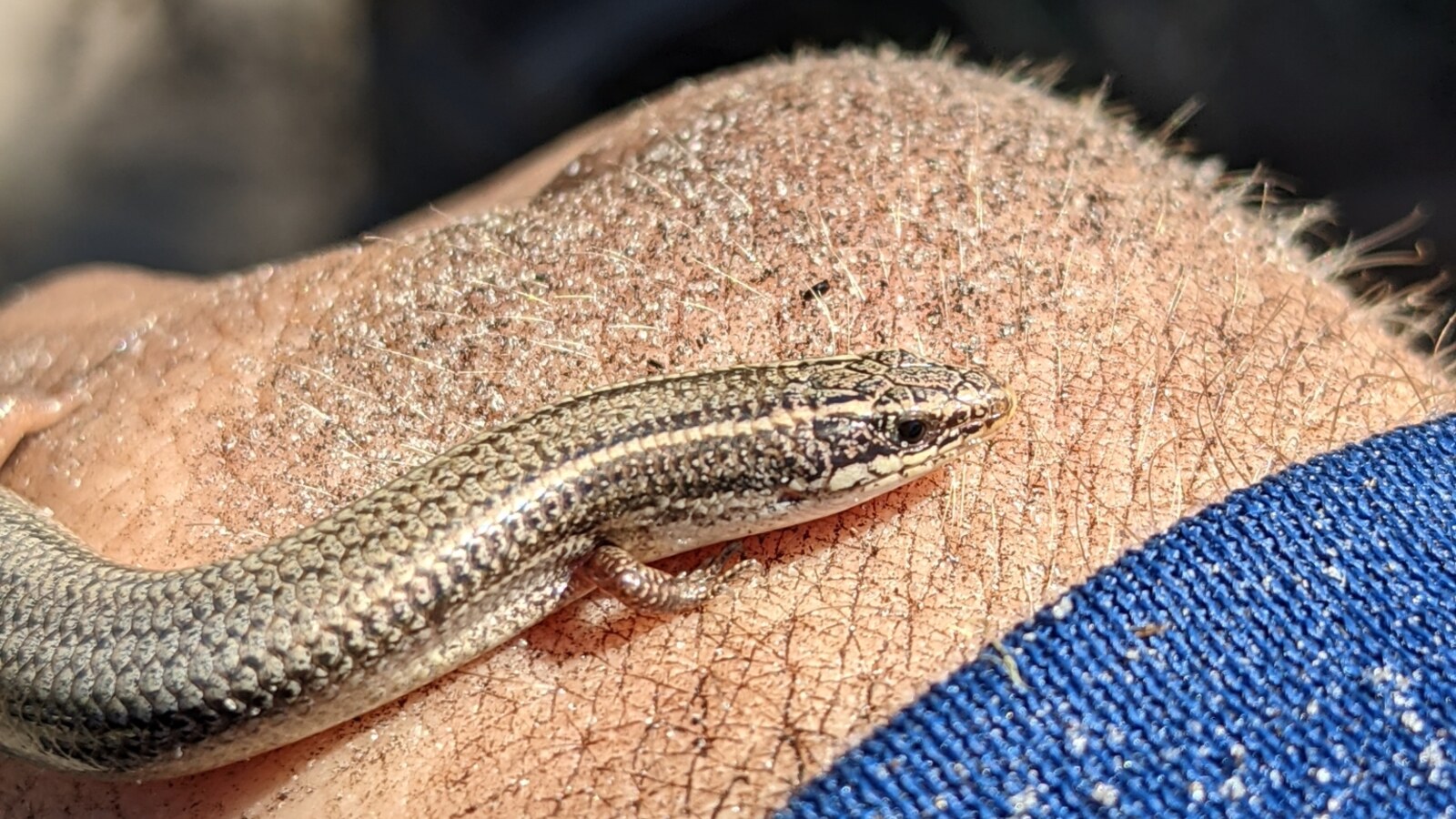
Harmless. Avoid handling because the tail breaks easily and the animal dehydrates quickly.
Benefits to Property:
It consumes soil insects and contributes to the native food web in sandy landscapes.
Property Concerns:
No property damage. Heavy grading, repeated tilling, and broad insecticide use reduce suitable soil habitat.
Fun Fact:
Mole skinks move beneath loose sand with a smooth side-to-side motion similar to swimming.
Wildlife Laws:
Native reptiles must not be taken, sold, transported, or kept contrary to Florida rules. Leave animals in place and protect sandy cover.
Identification:
A small elongated skink with reduced legs, smooth shiny scales, pale side stripes, and a tail that often shows red, pink, or bluish color.
Credits:
Facts and photos: iNaturalist Peninsula Mole Skink. Wildlife rules: Florida FWC.