
Permit
Trachinotus falcatus
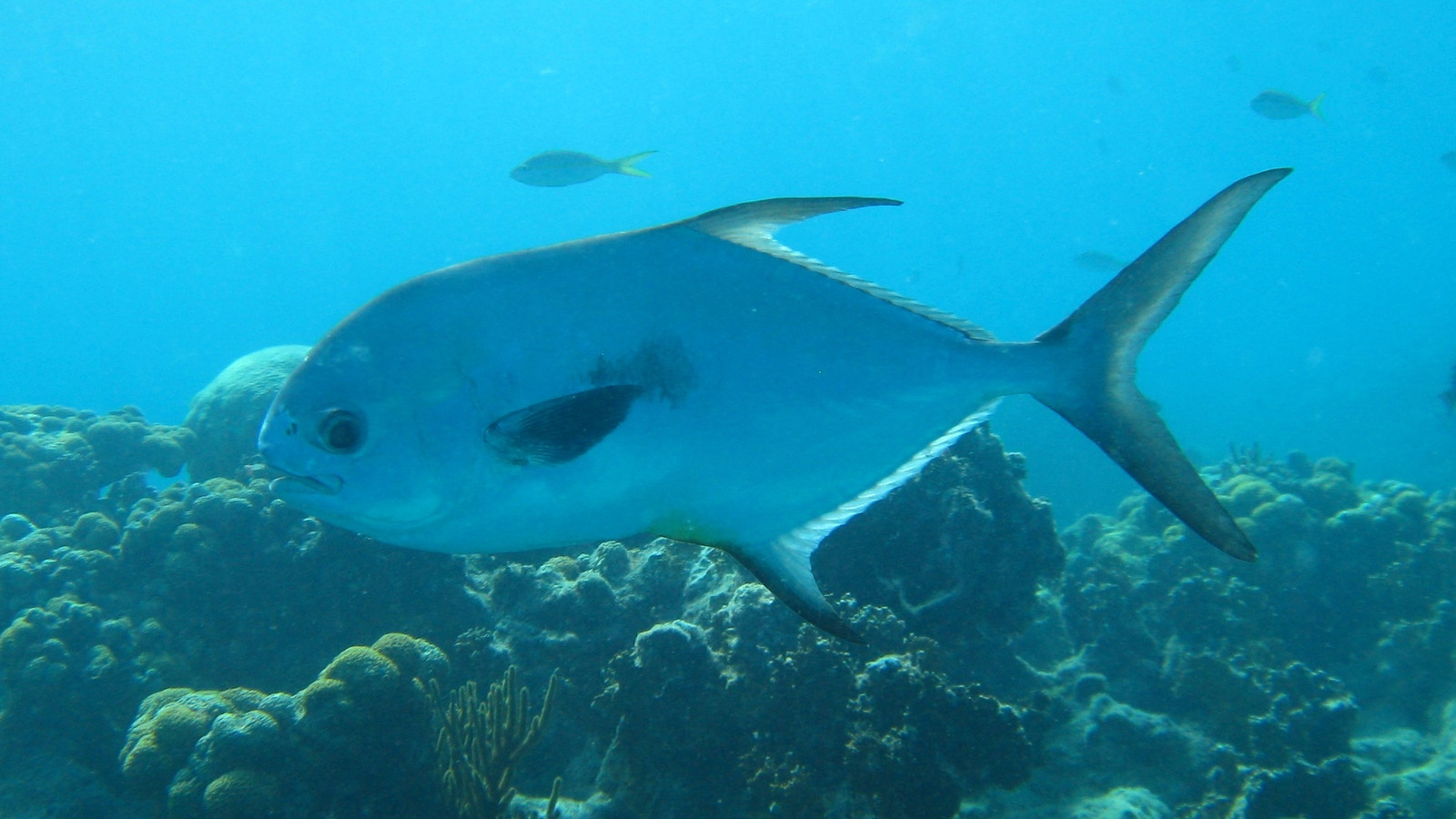
A deep-bodied coastal gamefish of Florida flats and reefs, recognized by long sickle-shaped fins and a strongly forked tail.
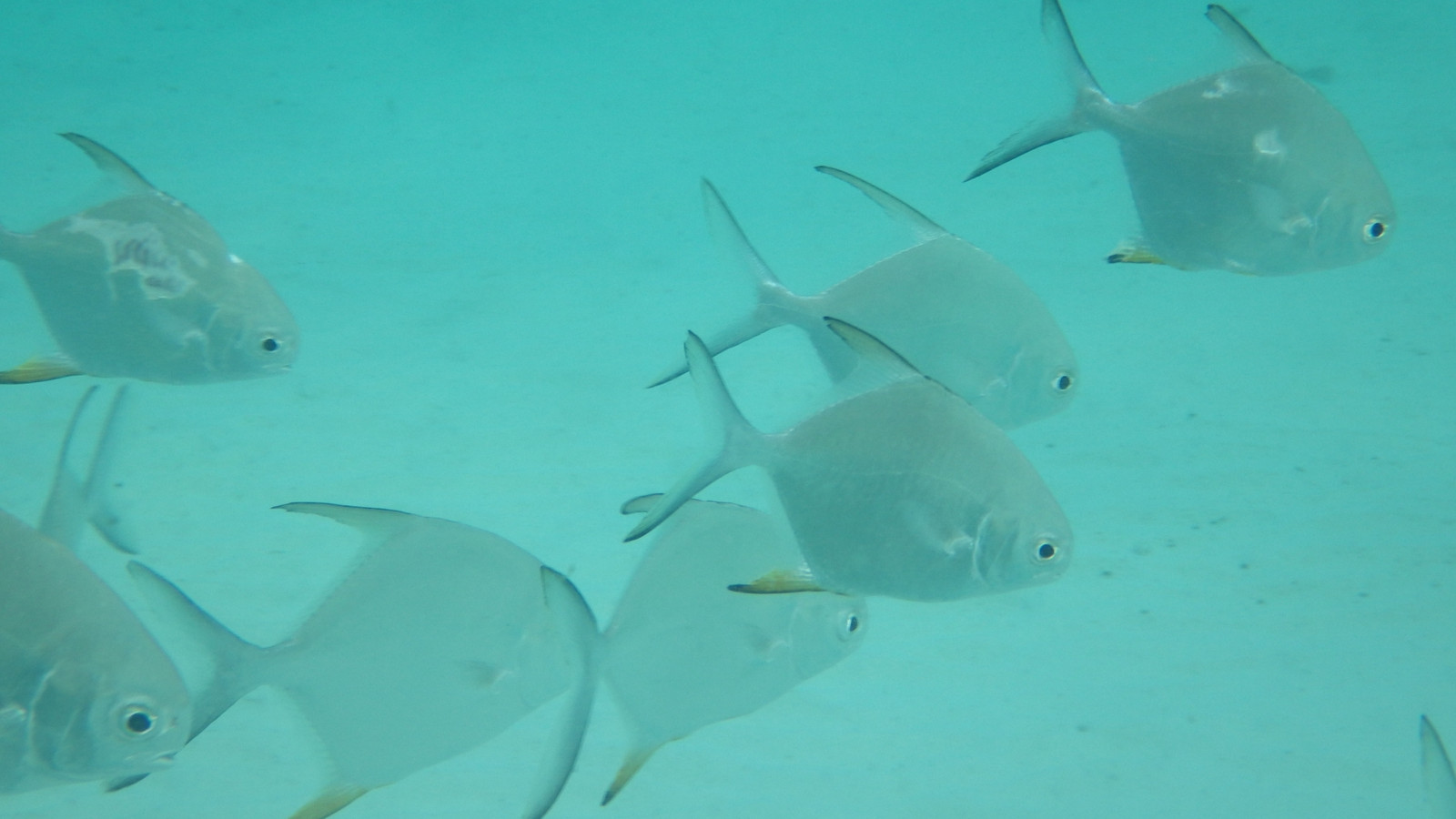
Permit are native marine fish in the jack family. They use sandy and seagrass flats, coastal channels, wrecks, and reefs in Florida waters. Young permit can form schools, while larger fish are often more solitary.
The species is prized by anglers, but its similarity to Florida pompano makes careful identification important. Permit also have an ecological role as predators of crabs and mollusks.
Habitat:
Coastal Waters, Estuaries and Bays, Beaches and Dunes
Area / Range:
Atlantic Coast, Gulf Coast, Florida Keys
Diet:
Permit feed mainly on bottom-dwelling crabs and mollusks. On shallow flats they patrol over sand and seagrass in search of prey.
Behavior:
Young permit may school, while larger adults are often more solitary. They move among inshore flats and channels and offshore reefs or wrecks; spawning occurs offshore, generally in spring or summer in Florida, with possible year-round spawning in the Keys.
Day
Active Times:
Best time to see:
Look from a boat or shoreline over clear shallow flats during daylight; sighting success depends on tides, water clarity, and season.
Florida Native Status:
Native
Conservation Status:
Not listed as threatened or endangered; Florida fishery rules manage harvest, and population size remains uncertain.
Safety Level:
Low
Safety Information:
Permit are not dangerous to observe in the water. Anglers should handle fish carefully and release them promptly when not retaining them; avoid consuming fish from waters subject to current seafood advisories.
Benefits to Property:
Permit are part of healthy coastal food webs and support Florida's recreational fishing and nature-tourism economy. Protected seagrass, flats, and clean coastal water benefit this species.
Property Concerns:
This marine fish does not damage typical residential property. Coastal habitat degradation, poor water quality, and careless fish handling are concerns for the species rather than hazards it creates.
Fun Fact:
The scientific name falcatus refers to the permit's scythe-like fins. FWC reports that a 3-foot permit sampled from Florida waters was 23 years old, illustrating how long these fish can live.
Wildlife Laws:
Florida regulates permit harvest and fishing licenses. Size, bag, and area rules can change; consult the current FWC permit regulations before fishing, retaining, or transporting a fish. Additional federal or local rules may apply outside state waters or in protected areas.
Identification:
Look for a tall, laterally flattened silver body, elongated sickle-shaped dorsal and anal fins, and a deeply forked tail. Adults become much larger than Florida pompano; smaller permit may show orange on the chin, belly, or fins where pompano are more often yellow.
Identification should use multiple features, especially when fish are small. Consult current FWC identification guidance before harvest.