
Portly Spider Crab
Libinia emarginata
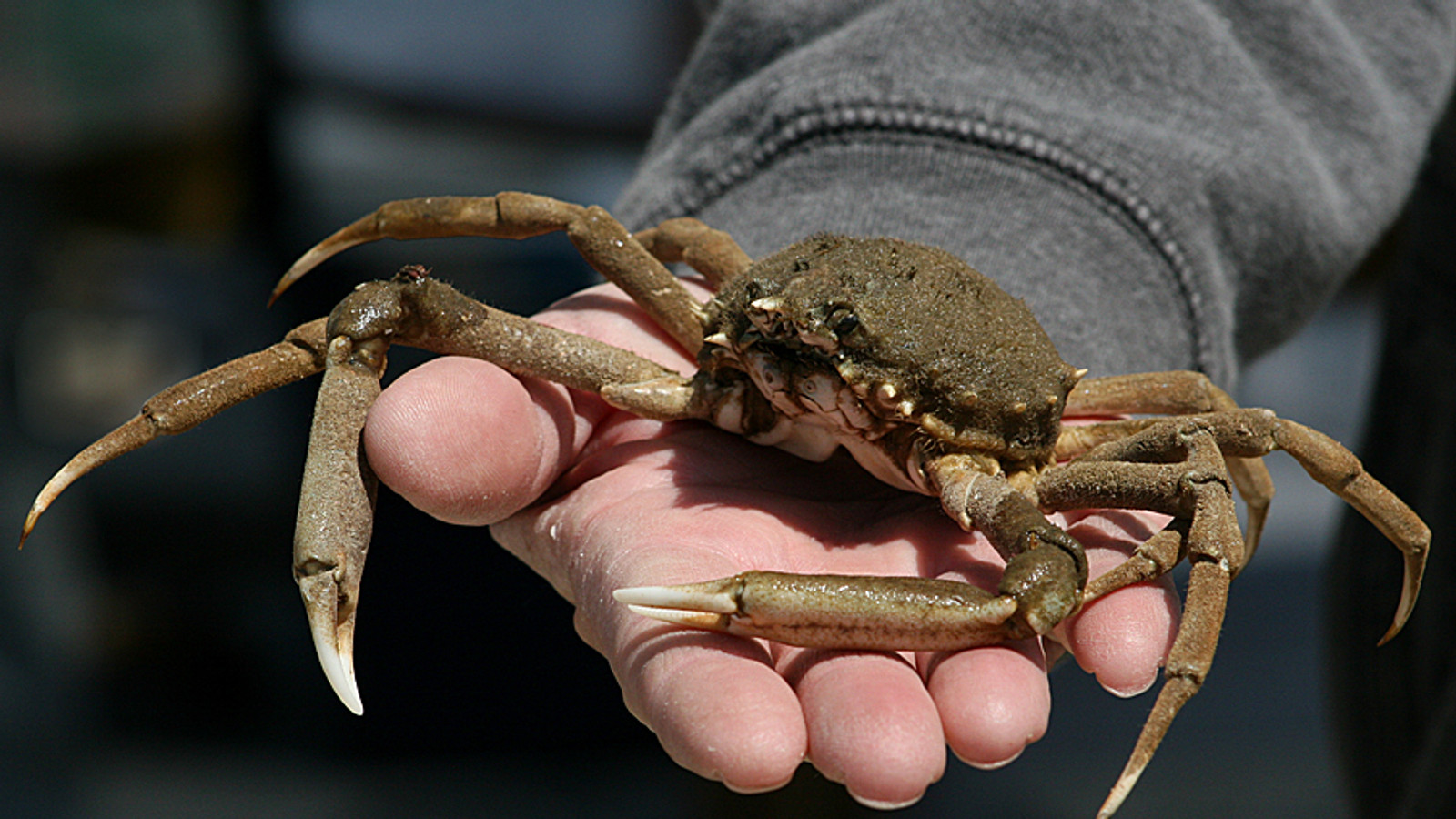
A large native decorator crab of Florida coastal waters that camouflages its rough shell with algae and other living material.
The portly spider crab is a native marine crab found along the Atlantic coast through the Florida Keys and into the Gulf of Mexico. It lives on sandy, muddy, rocky, and vegetated bottoms from shallow water to deeper coastal zones.
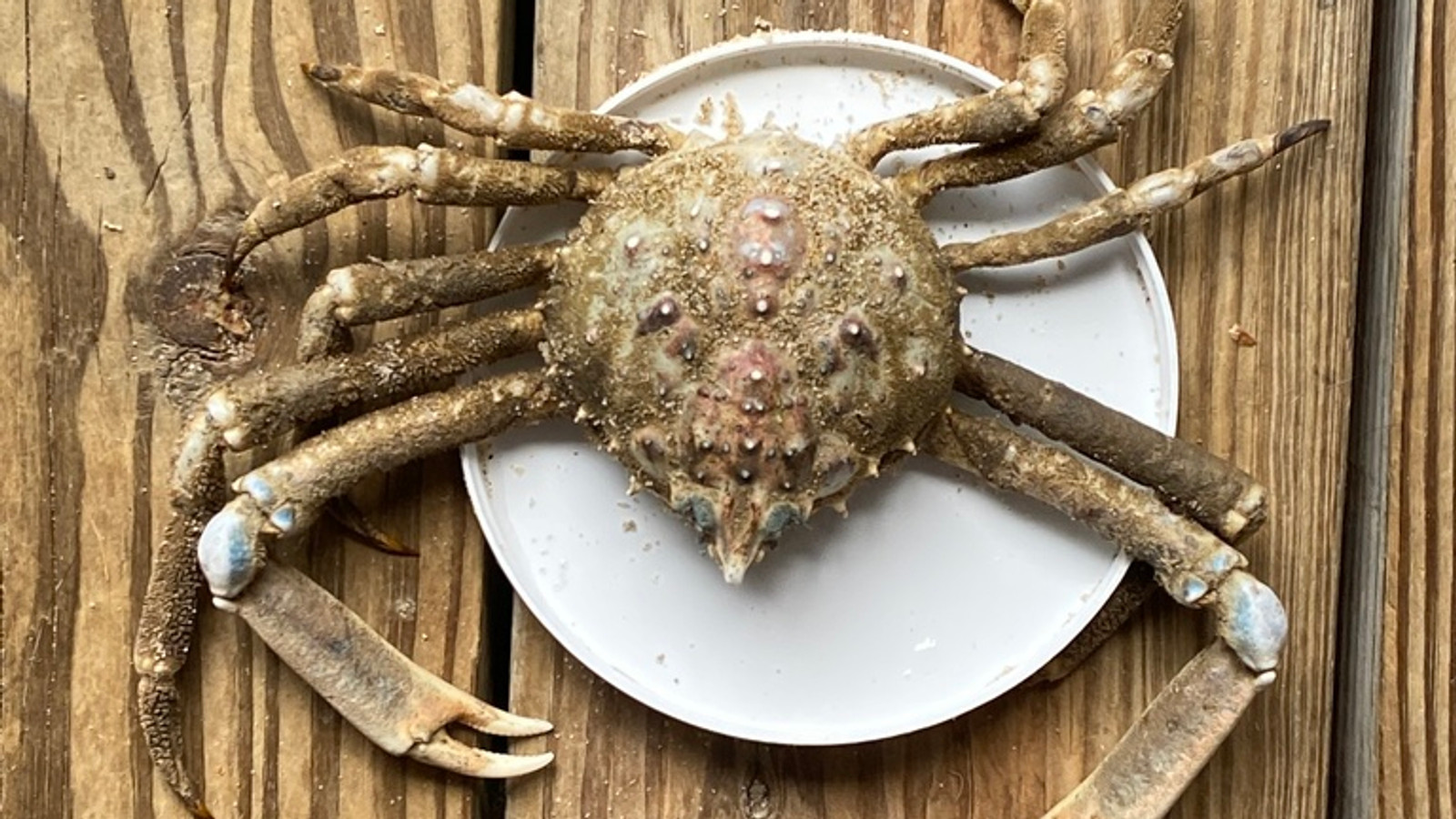
Its rough, spiny shell often supports algae, hydroids, or other organisms that help the crab blend into the seafloor.
Habitat:
Coastal Waters, Estuaries and Bays
Area / Range:
Atlantic Coast, Gulf Coast, Florida Keys
Diet:
Portly spider crabs are opportunistic omnivores and scavengers that eat algae, detritus, mollusks, worms, small invertebrates, and carrion. They may also prey on sea stars.
Behavior:
They move slowly across the bottom and may attach algae, sponges, or hydroids to hooked hairs on the shell for camouflage. Unlike many crabs, spider crabs can walk forward as well as sideways.
Day and night
Active Times:
Best time to see:
Warm months in shallow coastal water, seagrass beds, estuaries, and nearshore dive sites
Florida Native Status:
Native marine crustacean
Conservation Status:
Common and not federally listed
Safety Level:
Caution
Safety Information:
This crab is not venomous, but its claws can pinch. Observe underwater without handling, keep fingers away from the claws, and return accidental catches promptly and gently.
Benefits to Property:
As an omnivore and scavenger, the portly spider crab helps recycle organic material and forms part of the coastal food web.
Property Concerns:
It causes no property damage. Crabs may enter nets or traps as bycatch, and rough handling can injure both the animal and the person handling it.
Fun Fact:
Portly spider crabs are living camouflage platforms: algae and small animals can grow on the shell, making the crab resemble a piece of the seafloor.
Wildlife Laws:
Collection and harvest of marine life in Florida must follow current saltwater fishing and protected-area regulations. Check species, gear, size, bag, and location rules before keeping any crab.
Identification:
The carapace is rounded to triangular, heavily textured, and armed with blunt spines. Long walking legs give the animal a spiderlike outline, while the claws often have pale tips. The shell can reach about 4 inches long and the leg span can approach 12 inches.