
Rafinesque's Big-Eared Bat
Corynorhinus rafinesquii
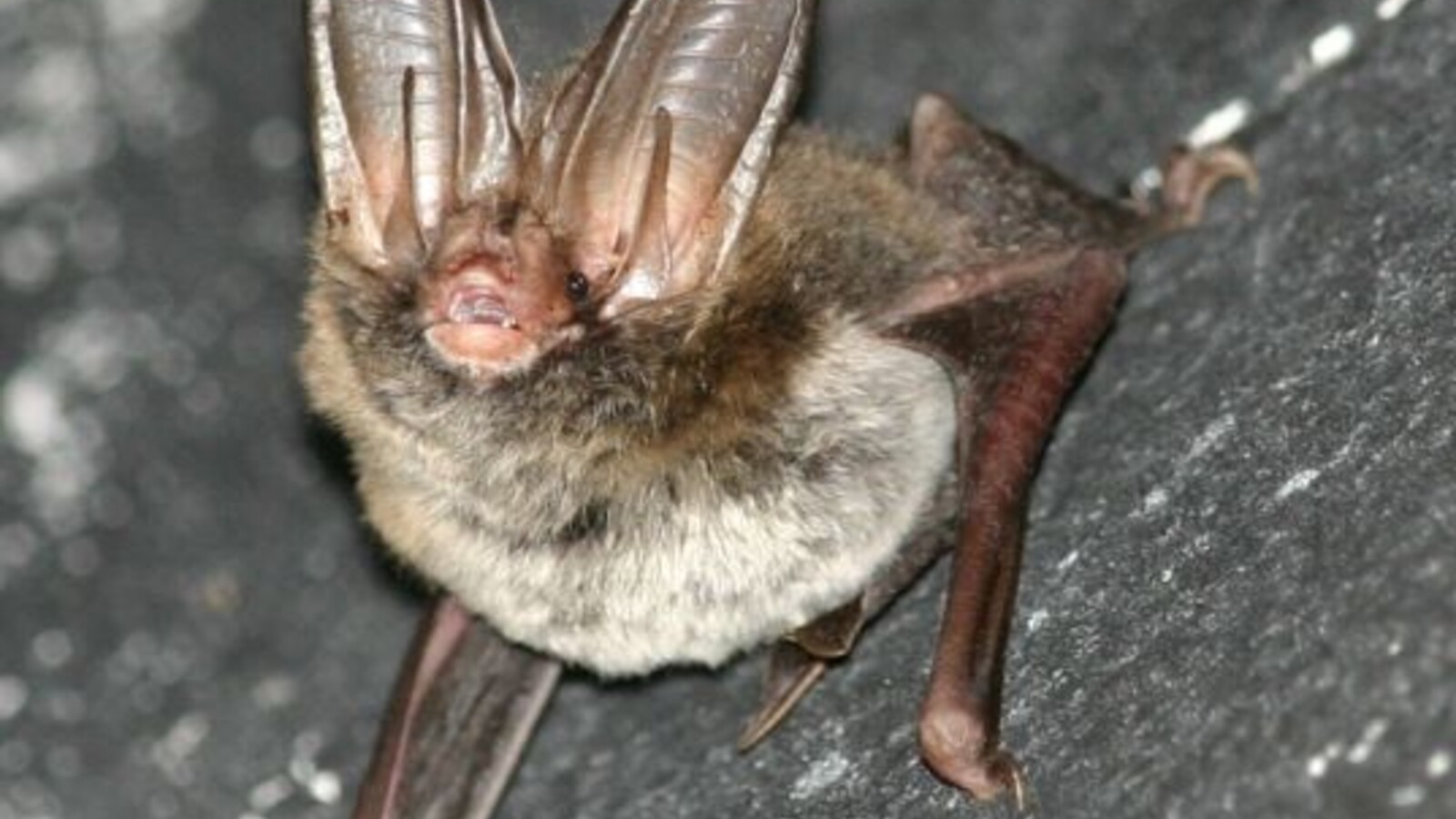
Rafinesque's Big-Eared Bat is a nocturnal native bat with enormous ears that roosts in hollow trees, forest structures, and sheltered cavities.
Rafinesque's Big-Eared Bat is one of Florida's most distinctive bats. Its oversized ears and two small lumps beside the nose separate it from other local species.
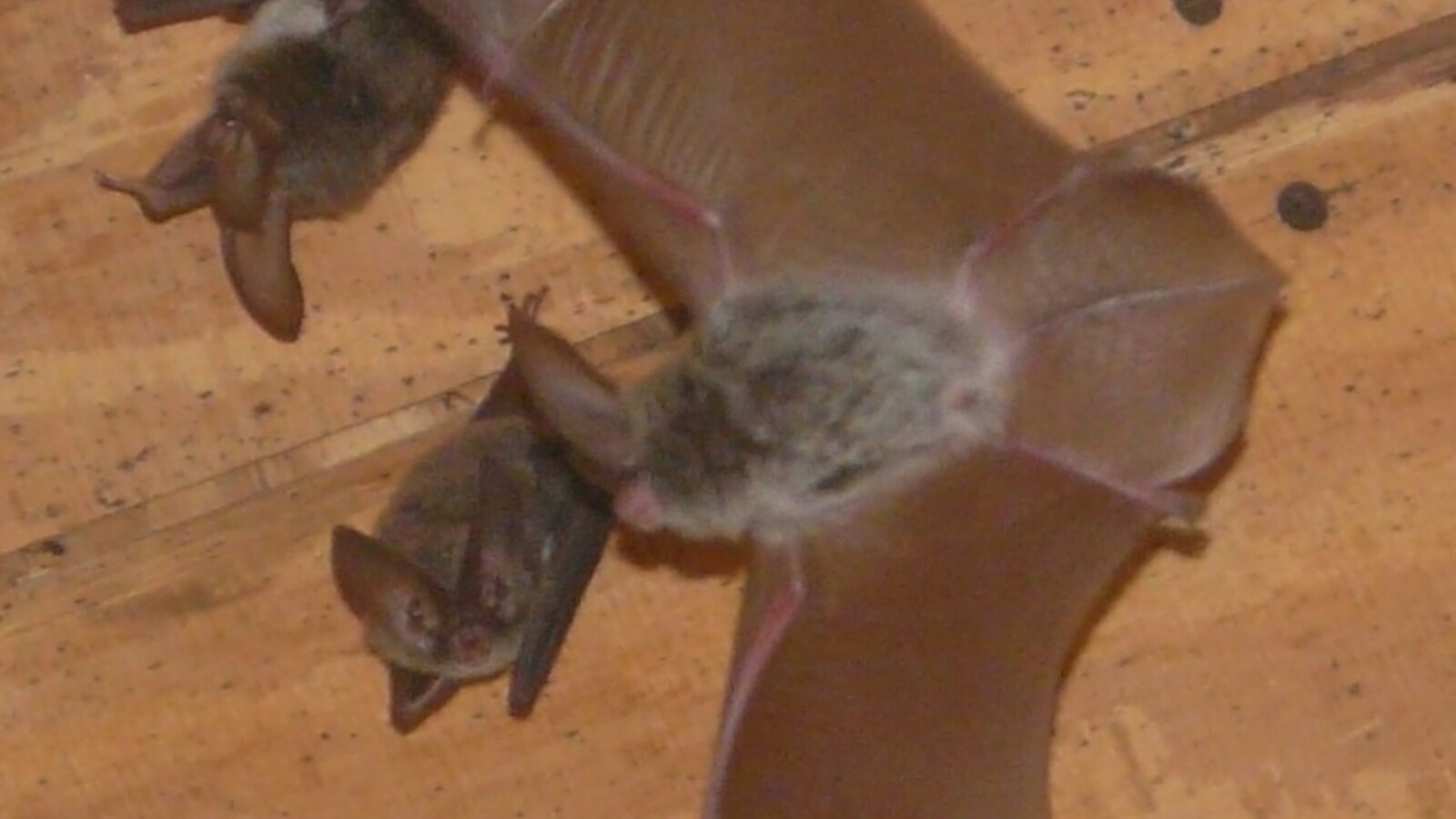
It is strongly associated with mature forest and wetland habitats, especially cypress-gum swamps and bottomland hardwoods. Some colonies also use abandoned buildings, bridges, culverts, and suitable bat houses.
Habitat:
Freshwater Wetlands, Forests and Woodlands, Urban and Residential Areas
Area / Range:
Florida Panhandle, North Florida, Central Florida
Diet:
Feeds on night-flying insects, with moths making up much of the diet. It can catch insects in flight and also glean resting prey from leaves and other surfaces.
Behavior:
Fully nocturnal. It leaves the roost after dark and hunts with quiet echolocation calls. Day roosts occur in hollow trees, beneath loose bark, and in sheltered human-made structures. Females gather in maternity colonies during the warm season.
Night
Active Times:
Best time to see:
At dusk near forest edges, wetlands, bridges, or known roost exits without disturbing the bats
Florida Native Status:
Native
Conservation Status:
A Florida Species of Greatest Conservation Need. It is not federally listed, but loss of mature hollow trees, wetland forests, and secure roost sites can reduce local populations.
Safety Level:
Moderate Risk
Safety Information:
Never touch a bat with bare hands. Any bat can carry rabies, although infection is uncommon. Keep people and pets away from grounded bats and contact local animal control or a permitted wildlife professional for help.
Benefits to Property:
Consumes large numbers of moths and other night-flying insects. Protecting hollow trees where safe and installing a properly designed bat house can support natural insect control.
Property Concerns:
Bats may occasionally roost in buildings. Accumulated guano can require cleanup, and exclusions must be timed and completed correctly so flightless young are not trapped. Use a trained wildlife professional.
Fun Fact:
Its echolocation calls are unusually quiet, which is why big-eared bats are sometimes called whispering bats. The ears can curl backward when the animal is resting.
Wildlife Laws:
Florida law protects bats from direct handling and improper removal. The Florida Fish and Wildlife Conservation Commission states that it is illegal to remove bats from structures during the maternity season and illegal to handle bats directly. Use legal exclusion methods and current FWC timing guidance.
Identification:
This medium-small bat has gray-brown fur above and a contrasting pale tan or whitish belly. Its ears are more than an inch long and can curl like ram's horns when the bat is resting. Two glandular lumps rise beside the snout.
The combination of exceptionally long ears, pale underparts, and facial lumps is diagnostic in Florida.