
Red Fox
Vulpes vulpes
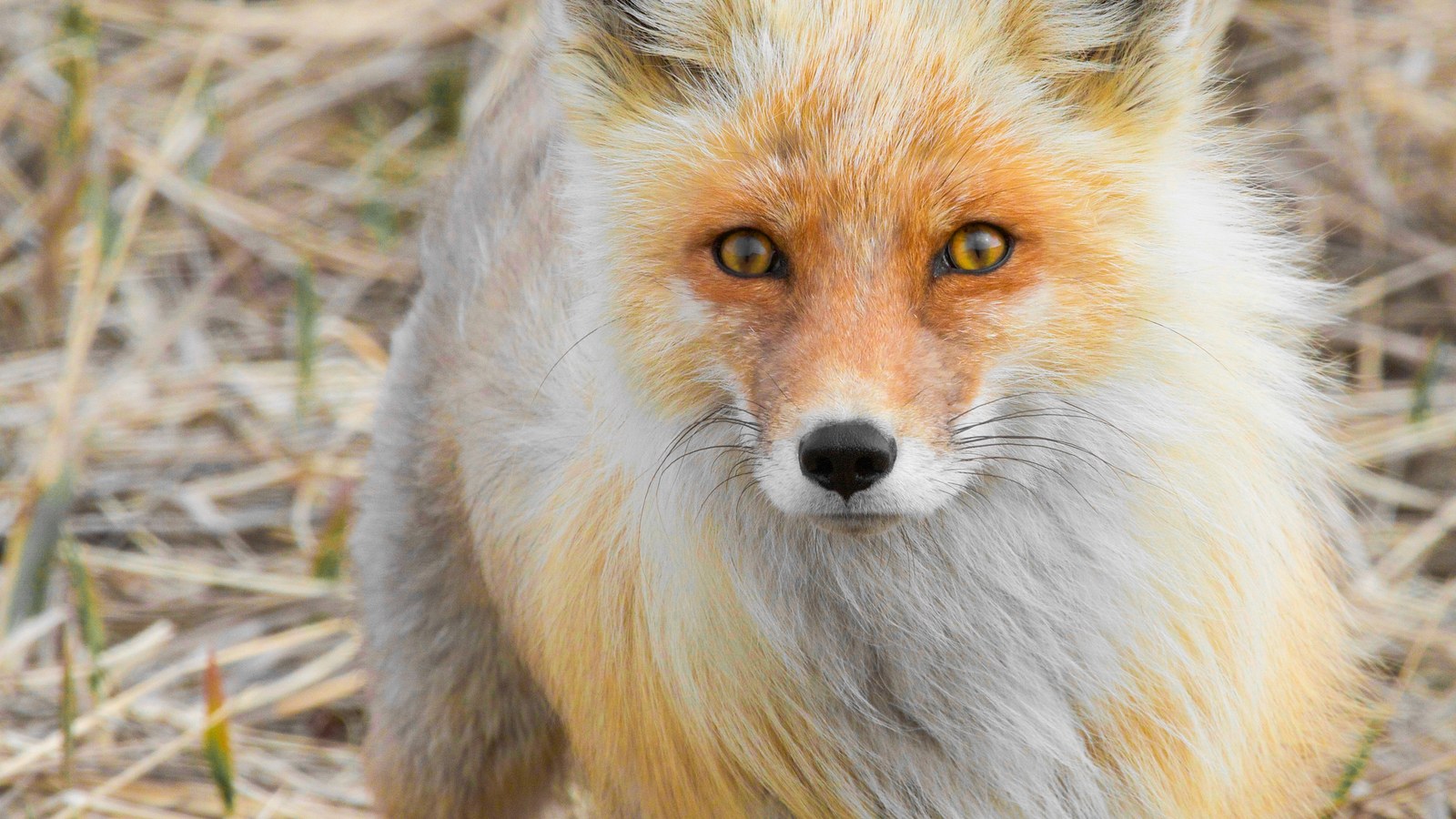
The red fox is a slender, adaptable predator found mostly in northern and central Florida, including farms, woodland edges, and developed areas.
Red foxes use open woods, farms, roadsides, golf courses, and suburban edges. They often rest in cover by day and travel after sunset, following the same paths between hunting areas and den sites.
They are less common in southern Florida than gray foxes. A fox passing through a property usually moves on when food, pet feed, and shelter are not available.
Habitat:
Forests and Woodlands, Grasslands and Agricultural Areas, Urban and Residential Areas
Area / Range:
Florida Panhandle, North Florida, Central Florida
Diet:
Red foxes eat mice, rats, rabbits, insects, birds, eggs, reptiles, carrion, and seasonal fruit. Unsecured garbage and outdoor pet food draw them into neighborhoods.
Behavior:
They hunt alone, pounce on small prey, cache extra food, and communicate with barks and sharp calls. Parents use dens while raising young but spend much of the year above ground.
Dawn and Dusk, Night
Active Times:
Best time to see:
Dawn, dusk, and nighttime along field edges, quiet roads, golf courses, and open woodland.
Florida Native Status:
Native
Conservation Status:
Least Concern globally. Florida populations are localized and less common in the southern peninsula.
Safety Level:
Use Caution
Safety Information:
Never feed foxes. Secure poultry, pet food, garbage, and fallen fruit. Give a fox an escape route, supervise small pets, and contact animal control or FWC if an animal appears sick, injured, unusually aggressive, or unable to leave.
Benefits to Property:
Red foxes help control rodents, rabbits, and some large insects around farms and open properties.
Property Concerns:
They may take unsecured poultry or very small animals. Food conditioning increases conflicts, denning under structures, and daytime lingering.
Fun Fact:
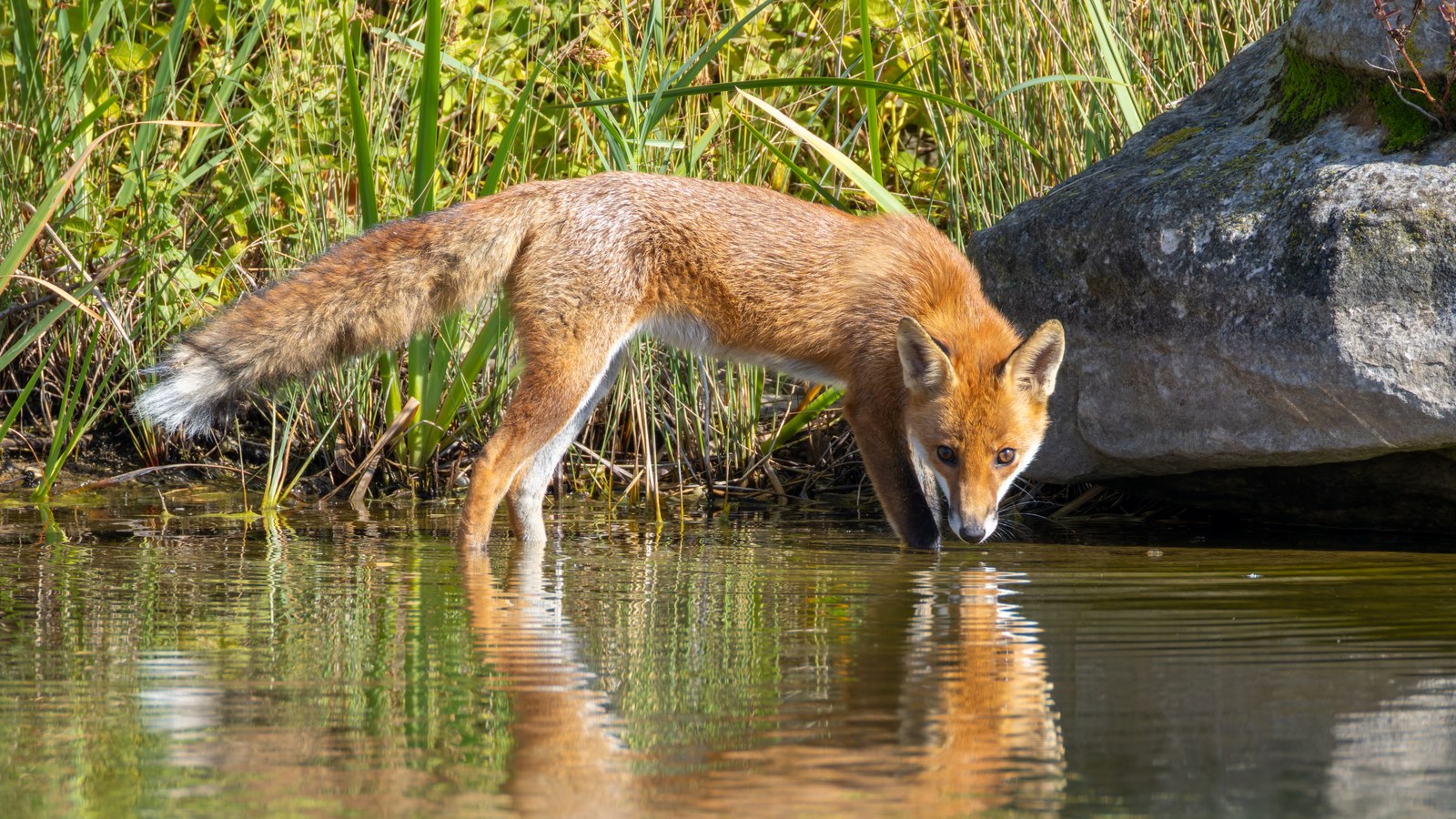
A red fox uses its white-tipped tail for balance, communication, and warmth. Its hearing helps it locate rodents moving beneath grass or leaf litter.
Wildlife Laws:
Red fox management, trapping, and removal are regulated by Florida wildlife rules and local ordinances. Do not poison wildlife or relocate an animal without confirming current legal requirements.
Identification:
Red foxes have a narrow muzzle, pointed ears, long legs, and a bushy tail usually tipped in white. Most are rusty orange with black lower legs, though silver, gray, and dark color forms occur.
Credits:
Facts: Florida Fish and Wildlife Conservation Commission. Images: primary and secondary, Wikimedia Commons.