
Rim Rock Crowned Snake
Tantilla oolitica
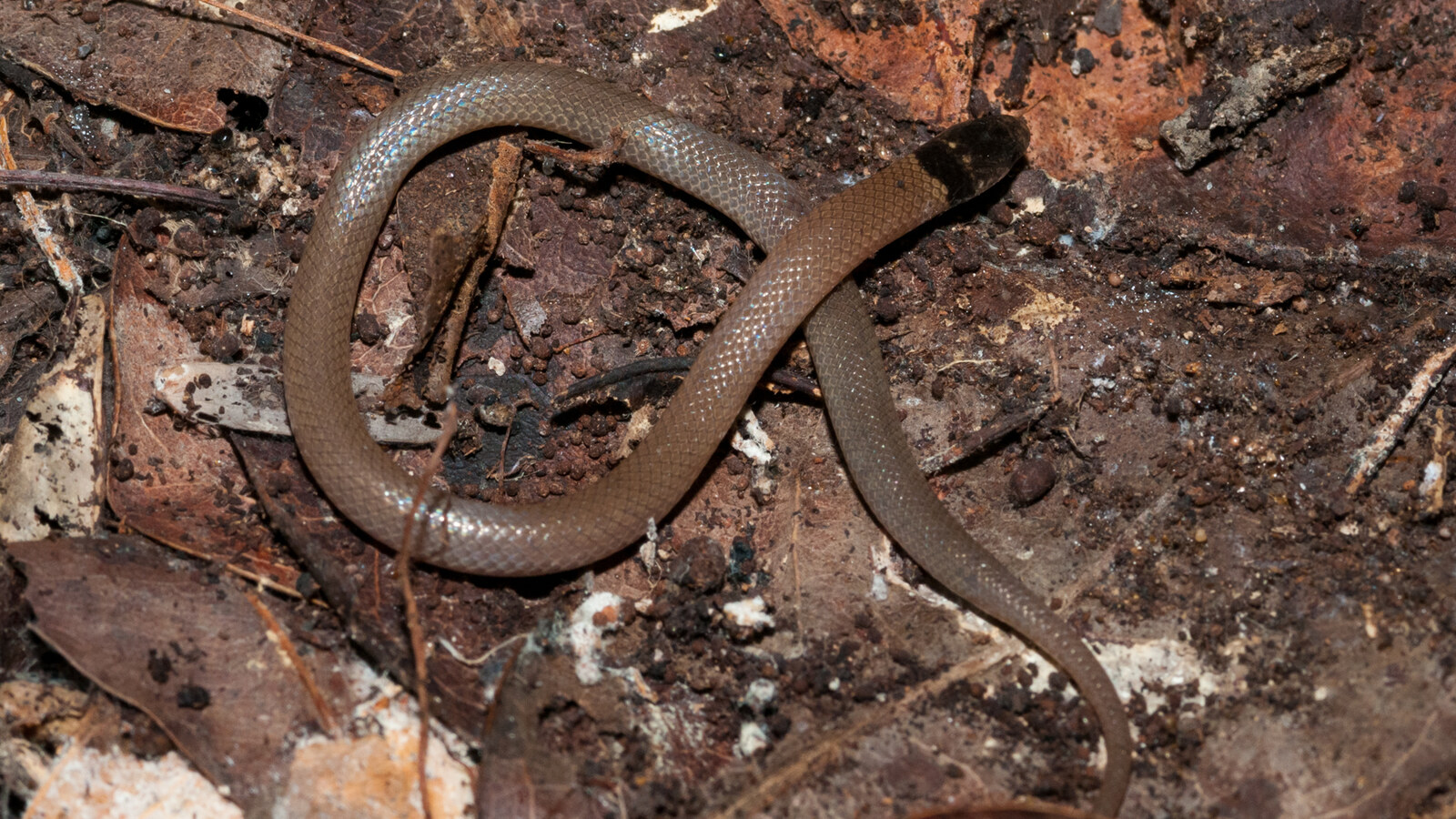
The Rim Rock Crowned Snake is one of Florida's rarest reptiles, restricted to limestone habitats in far South Florida and the Keys.
This tiny burrowing snake uses pine rockland, tropical hardwood hammock, and rocky urban remnants over Miami limestone.
Development, invasive plants, road mortality, and the loss of connected cover threaten its remaining populations.
Habitat:
Forests and Woodlands, Scrub and Dry Prairie, Urban and Residential Areas
Area / Range:
South Florida, Florida Keys
Diet:
Centipedes, insects, spiders, and other small invertebrates found beneath rocks and leaf litter.
Behavior:
Secretive and mostly underground. It shelters under rocks, limestone fragments, logs, and dense leaf litter.
Night, Dusk
Active Times:
Best time to see:
Warm, humid nights after rain, though intentional searching risks damaging its limited habitat.
Florida Native Status:
Native
Conservation Status:
Extremely range-restricted and protected. Remaining populations face severe habitat fragmentation in South Florida.
Safety Level:
Low Risk
Safety Information:
Harmless to people and pets. Do not handle it or disturb rocks and limestone where it shelters.
Benefits to Property:
It consumes centipedes and other small invertebrates and adds rare native diversity to intact rockland habitat.
Property Concerns:
No property damage. Clearing leaf litter, removing limestone cover, and pesticide use threaten local habitat.
Fun Fact:
Its entire natural range is concentrated in a small part of Miami-Dade County and the Florida Keys.
Wildlife Laws:
Protected under applicable Florida wildlife rules. Do not capture, harm, possess, sell, or relocate this rare snake without authorization.
Identification:
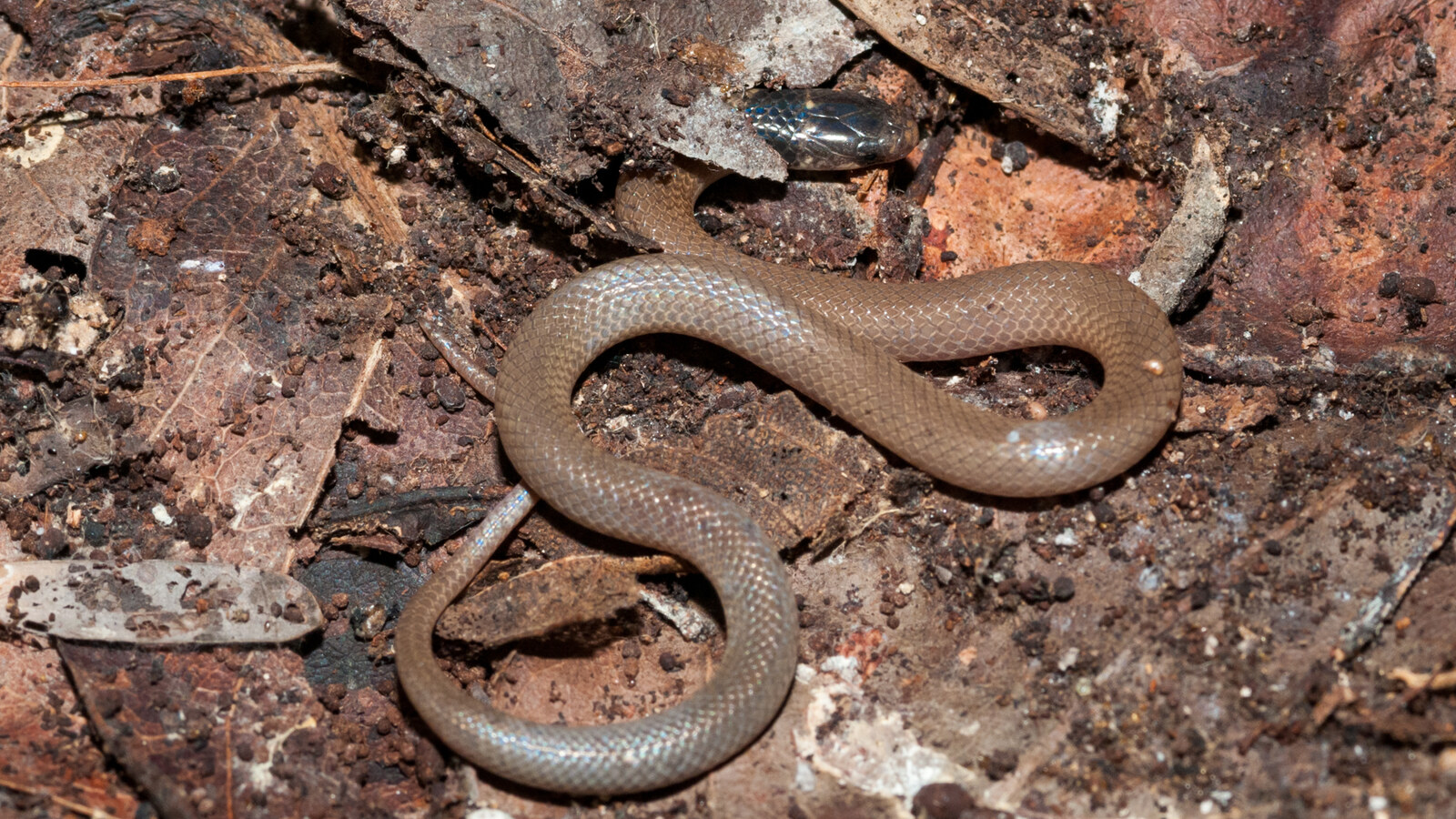
A very small tan to reddish-brown snake with a glossy dark head, dark neck collar, pale underside, and smooth scales. The snout is blunt and suited for moving beneath rocks and debris.
Credits:
Identification: Florida Museum. Facts and photos: iNaturalist.