
Roseate Tern
Sterna dougallii
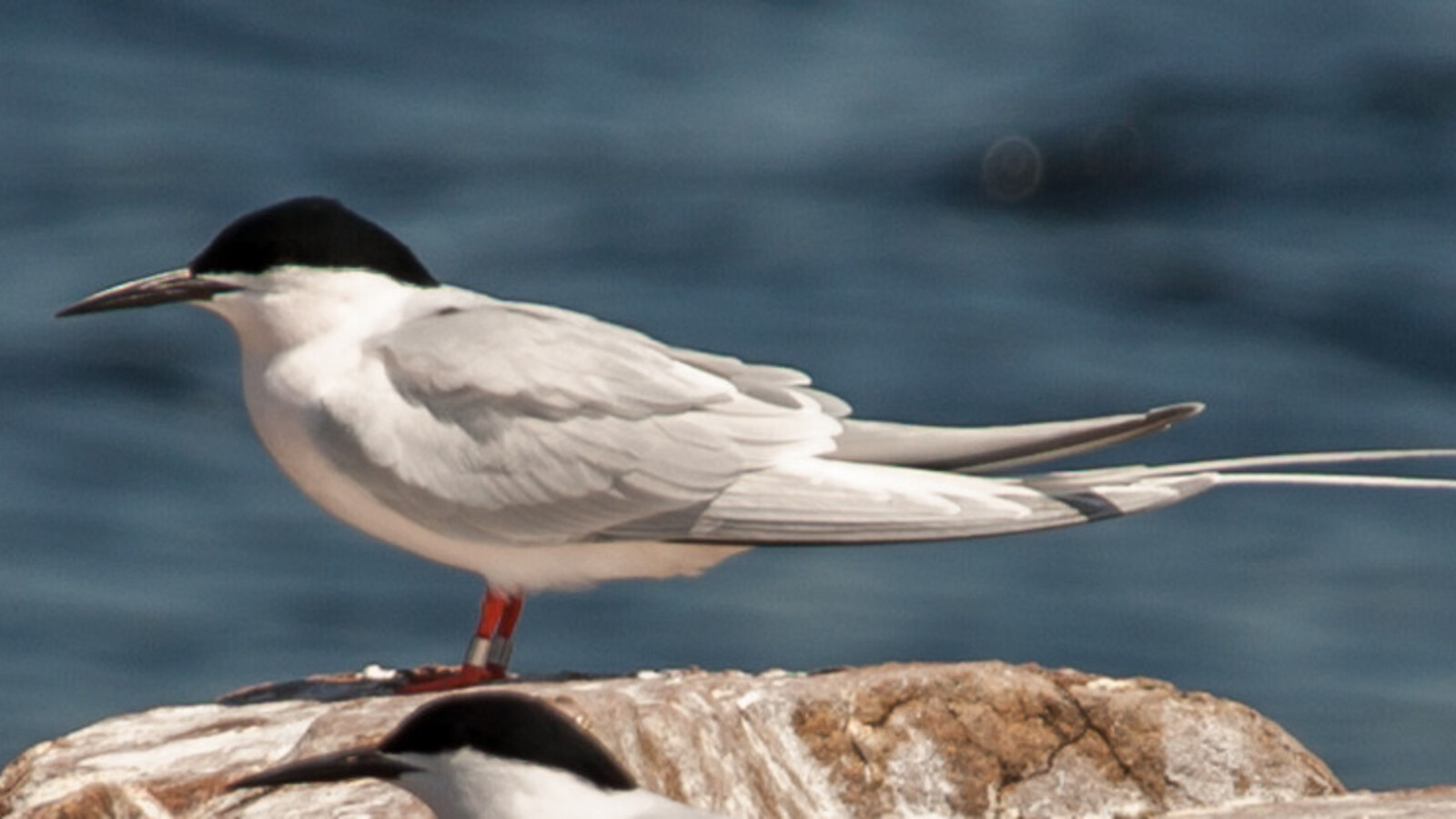
The Roseate Tern is a graceful, federally endangered Florida waterbird with a black cap, deeply forked tail, and pale rosy breeding plumage.
Roseate Terns nest in colonies on small islands, rooftops, and protected coastal sites in the Florida Keys region. They forage over clear coastal water, often following schools of small fish.
Disturbance, predators, storms, sea-level rise, and reduced prey availability threaten nesting success.

Habitat:
Coastal Waters, Beaches and Dunes, Estuaries and Bays
Area / Range:
South Florida, Florida Keys, Atlantic Coast
Diet:
It eats small schooling fish captured by plunge-diving, with occasional squid and crustaceans.
Behavior:
It flies buoyantly, hovers briefly, and dives headfirst for fish. Colonies are noisy and adults defend nest sites vigorously.
Day, Dawn, Dusk
Active Times:
Best time to see:
Spring through summer around protected colonies and clear coastal waters of South Florida and the Keys, from a legal distance.
Florida Native Status:
Native seasonal breeder
Conservation Status:
The Caribbean population, including Florida birds, is federally endangered. Nesting habitat and colonies receive intensive protection.
Safety Level:
Low Risk
Safety Information:
Stay outside posted nesting zones, keep dogs away, and never land a boat or launch a drone near a colony.
Benefits to Property:
The tern supports coastal biodiversity and provides high wildlife-viewing value without damaging property.
Property Concerns:
Colonies can produce droppings and defensive behavior on rare rooftop sites; contact wildlife authorities rather than disturbing birds or nests.
Fun Fact:
Its species name dougallii honors Scottish physician and naturalist Peter McDougall.
Wildlife Laws:
Florida Roseate Terns are protected by the federal Endangered Species Act and Migratory Bird Treaty Act. Harassment, take, nest disturbance, and unauthorized possession are prohibited.
Identification:
Look for a slender pale tern with a black cap, narrow pointed wings, a very long forked white tail, and a mostly black bill that becomes red at the base in breeding season. A faint pink wash may show on the breast.