
Silver-haired Bat
Lasionycteris noctivagans
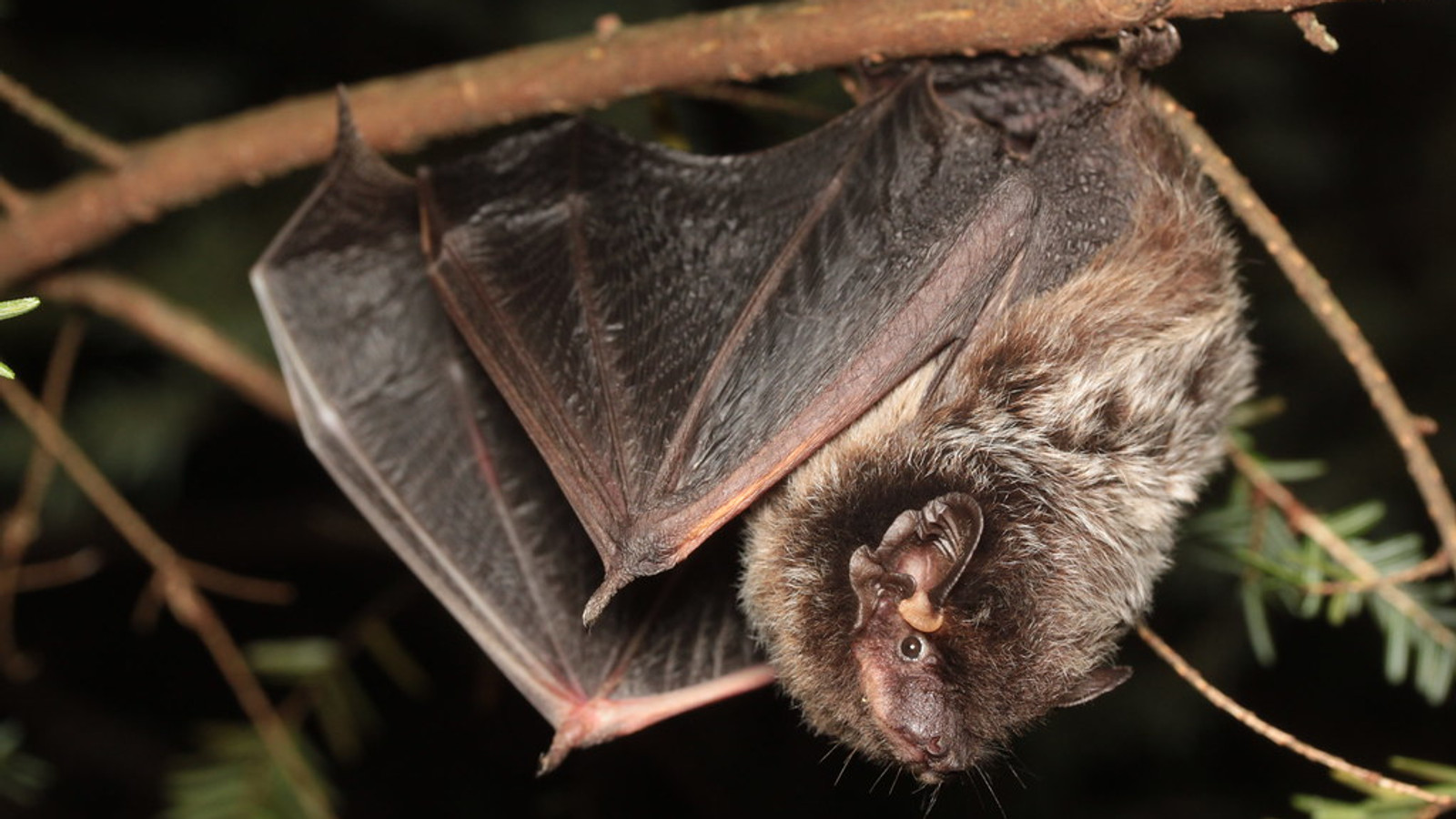
A dark, silver-frosted tree bat that appears only rarely in Florida, usually as a migrant or accidental visitor.
The silver-haired bat is a medium-sized, mostly solitary tree bat named for the pale tips that frost its dark fur. It normally occupies forested regions farther north and west, but verified individuals occasionally reach Florida during migration.
In Florida it is an exceptional visitor rather than a regular resident. Grounded or injured bats should be left undisturbed and reported to a permitted wildlife rehabilitator.
Habitat:
Forests and Woodlands, Urban and Residential Areas
Area / Range:
Central Florida, Atlantic Coast
Diet:
Silver-haired bats eat flying insects, including moths, flies, midges, beetles, mosquitoes, caddisflies, and leafhoppers.
Behavior:
This bat is nocturnal and usually roosts alone beneath loose bark or inside tree cavities. Migrating individuals may temporarily use buildings, rock crevices, or other sheltered sites.
Night
Active Times:
Best time to see:
After sunset during spring or fall migration, though Florida sightings are exceptional
Florida Native Status:
Rare native migrant or accidental visitor
Conservation Status:
Not federally listed; widespread overall but exceptionally rare in Florida
Safety Level:
Use caution
Safety Information:
Never handle a bat with bare hands. Keep people and pets away from a grounded bat and contact animal control or a permitted wildlife rehabilitator. Seek prompt medical advice after any bite, scratch, or possible direct contact.
Benefits to Property:
Like other insect-eating bats, it can consume many night-flying insects while foraging.
Property Concerns:
A migrating bat may occasionally enter a building or roost temporarily behind siding or shutters. Use humane professional exclusion and never seal an animal inside.
Fun Fact:
The pale-tipped hairs create the frosted appearance behind this species' common name. It is one of North America's long-distance migratory tree bats.
Wildlife Laws:
Wild bats must not be poisoned or harmed. Florida exclusions should follow FWC guidance, especially around maternity season, and sick or injured bats should be handled only by trained professionals.
Identification:
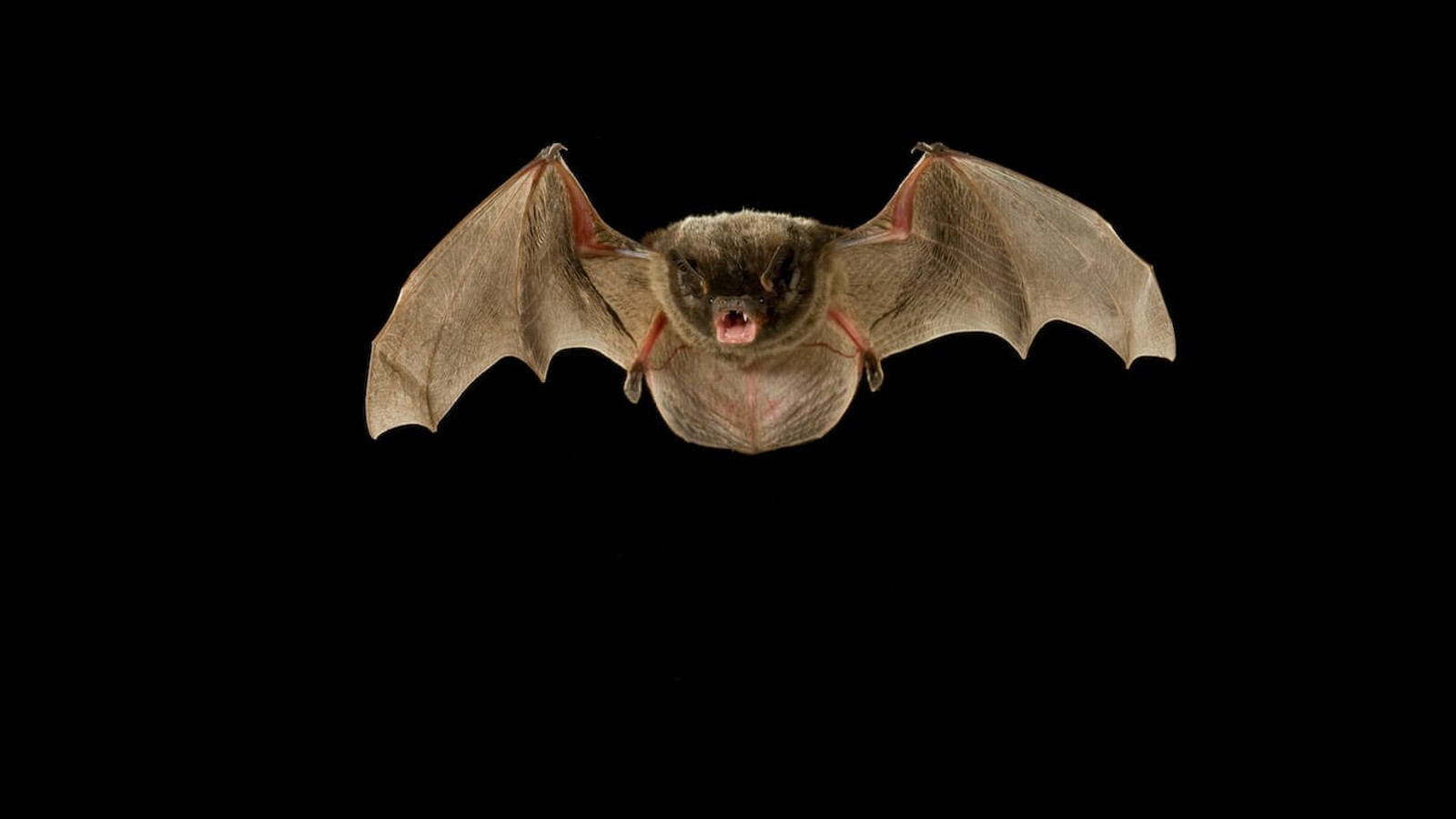
Look for dark brown to black fur with conspicuous silvery tips, dark wing membranes, small rounded ears, and a tail membrane furred on its upper surface. Adults are about 3.5 to 4.4 inches long with a wingspan near 10.6 to 12.2 inches.