
Southeastern Myotis
Myotis austroriparius
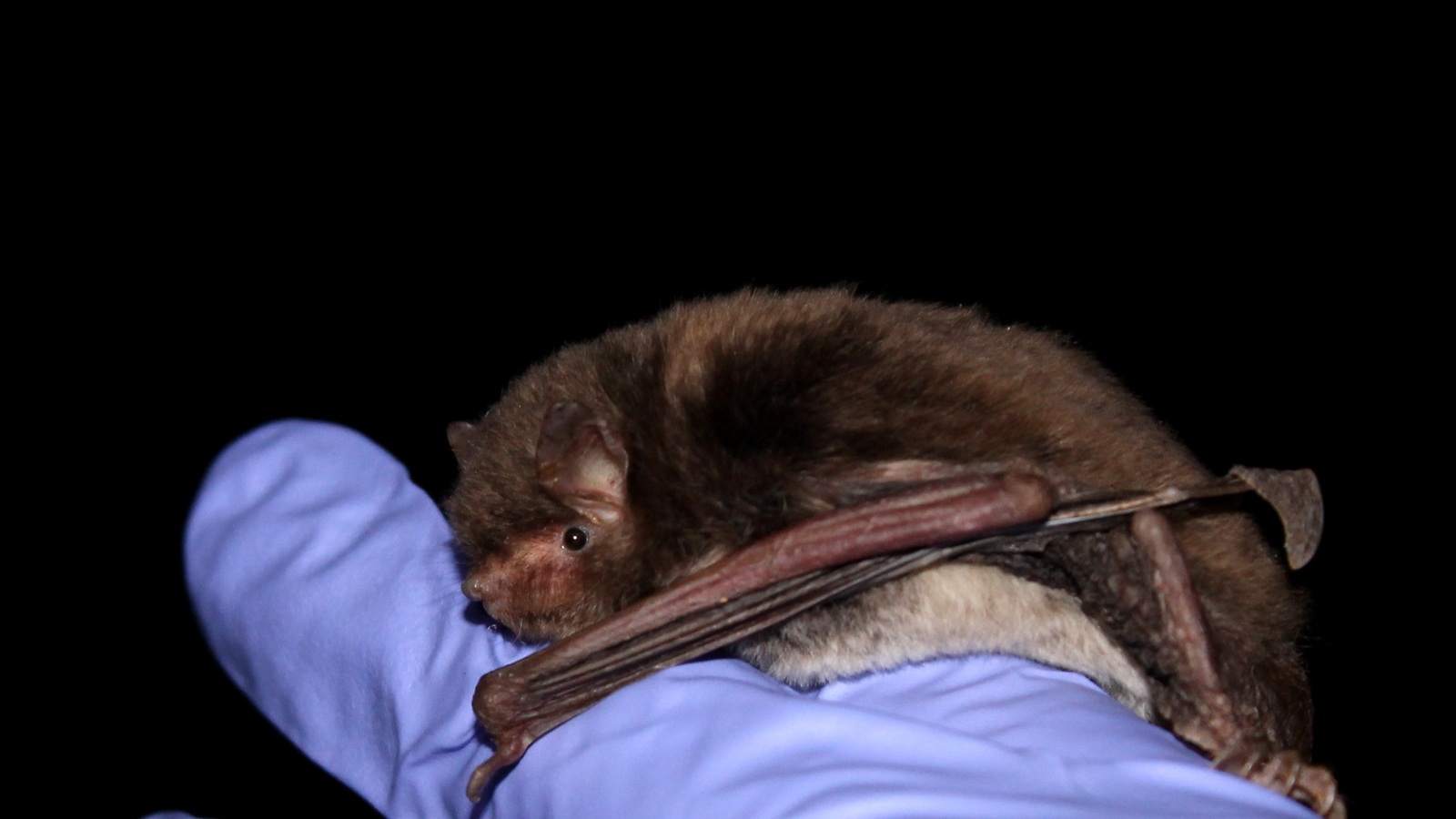
A small gray-brown bat associated with caves, bridges, hollow trees, and wetlands throughout much of Florida.
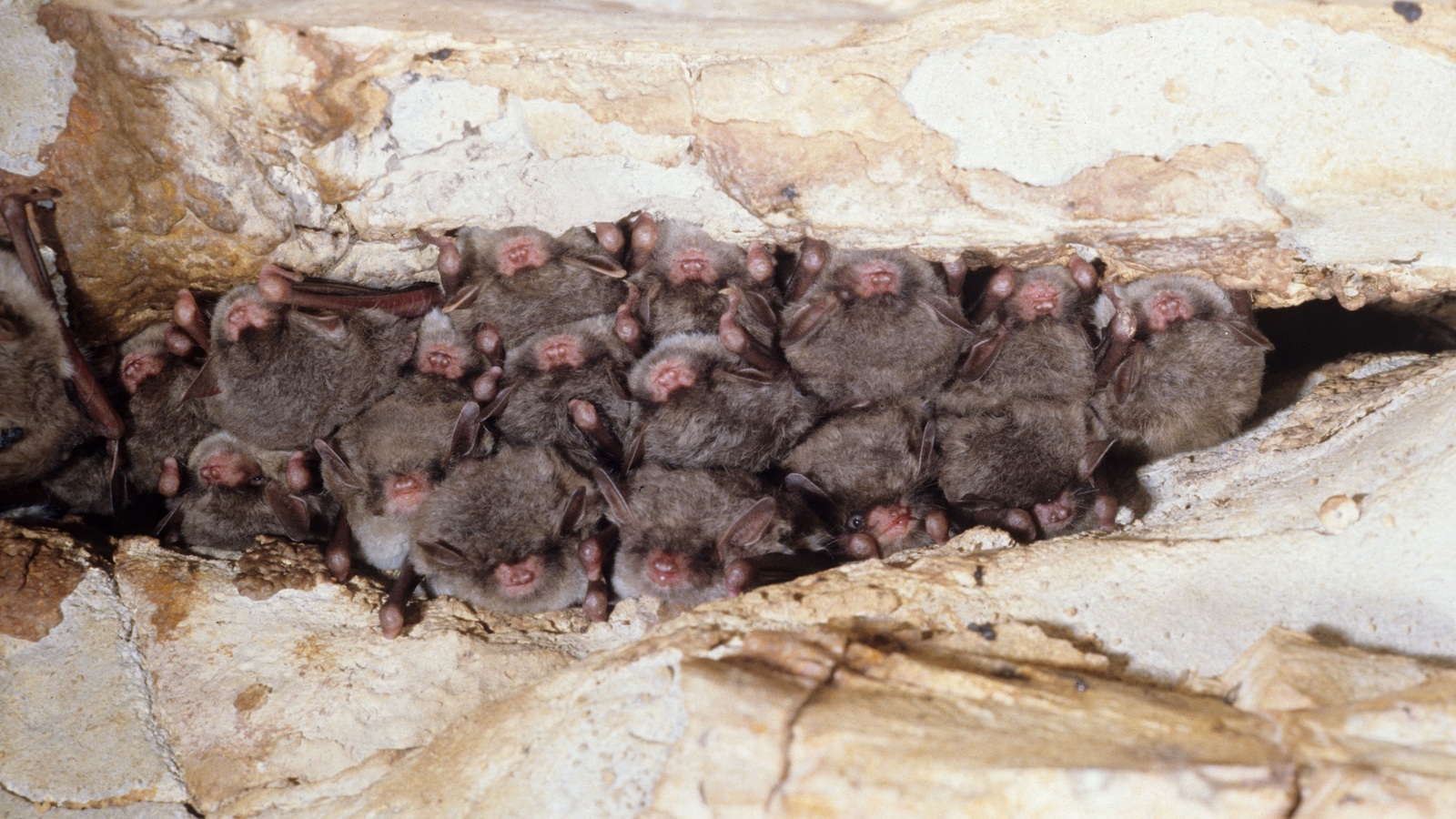
The Southeastern Myotis forms colonies in caves, culverts, bridges, hollow trees, and buildings close to water. Florida populations may use warm roosts year-round.
After dark, these bats forage low over ponds, streams, swamps, and forest openings. Protecting roost entrances and nearby water helps sustain colonies.
Habitat:
Freshwater Wetlands, Rivers and Springs, Forests and Woodlands
Area / Range:
Statewide
Diet:
Consumes mosquitoes, moths, beetles, flies, and other small night-flying insects.
Behavior:
Often roosts in colonies and forages close to water. Females may form large maternity groups in warm protected sites.
Nighttime, Dawn and Dusk
Active Times:
Best time to see:
Warm evenings over ponds, rivers, and wooded wetland openings.
Florida Native Status:
Native
Conservation Status:
Not federally listed; roost disturbance, habitat loss, pesticides, and disease remain concerns.
Safety Level:
Moderate
Safety Information:
Do not touch grounded or roosting bats. Keep pets vaccinated and use trained wildlife specialists for building exclusions.
Benefits to Property:
Provides natural control of mosquitoes and other night-flying insects.
Property Concerns:
Colonies in structures may create odor and droppings. Exclusion must avoid trapping bats and should follow Florida seasonal guidance.
Fun Fact:
- It often forages low over water.
- Some colonies contain thousands of bats.
- Females may give birth to twins, unusual among many bats.
Wildlife Laws:
Florida protects bats from unlawful take. Seasonal exclusion restrictions apply to occupied structures, especially during the maternity season.
Identification:
Small bat with gray to brown fur, short rounded ears, and a dark face and wing membranes. It is difficult to separate from other small myotis bats without expert examination.