
Southern Flannel Moth
Megalopyge opercularis
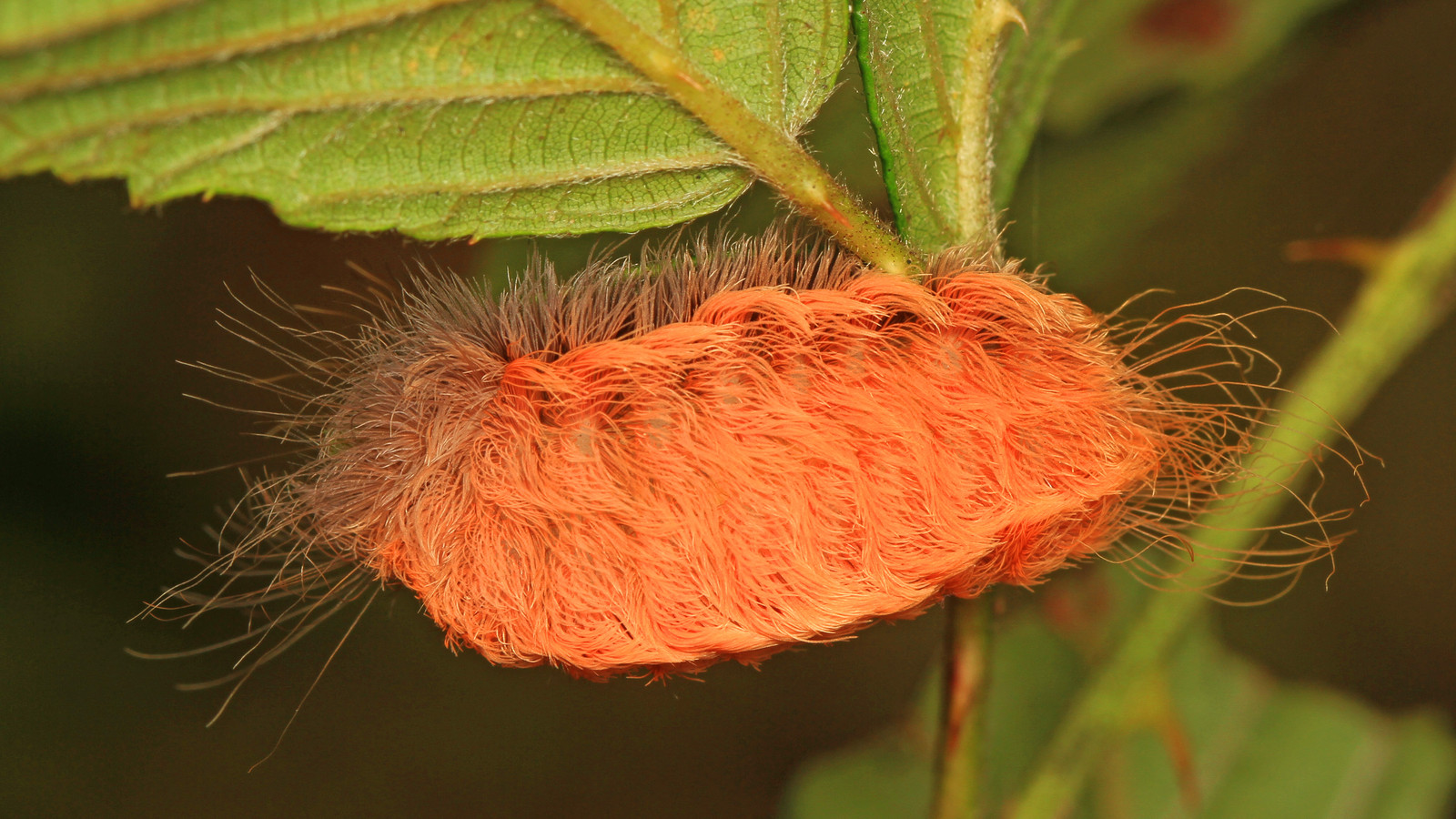
A small native moth whose plush-looking larva, the puss caterpillar, hides venomous spines beneath its hairs.
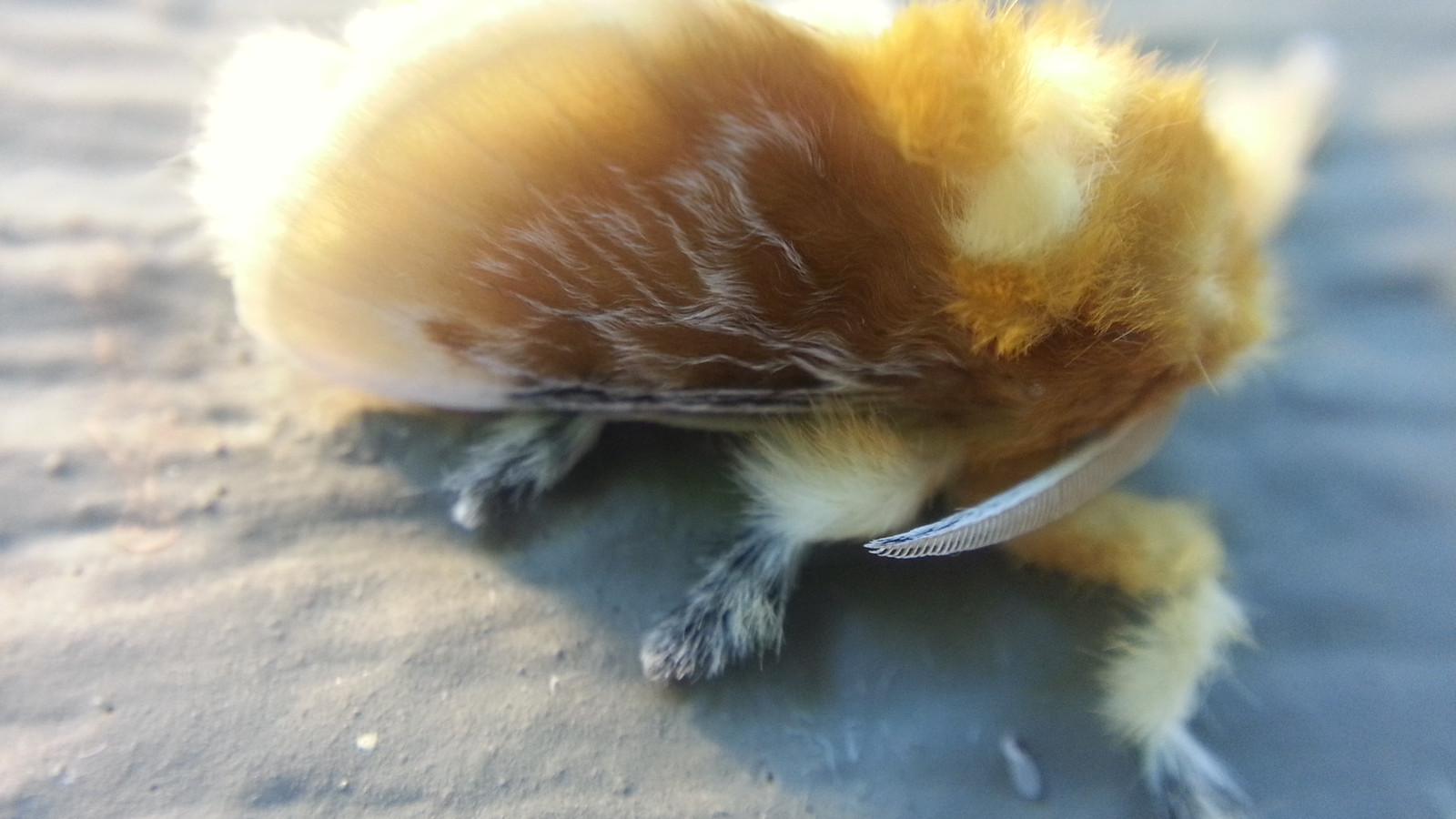
The southern flannel moth is a native moth common in Florida. Its adult is a small, fuzzy yellowish moth, but the species is best known for its furry larva, called the puss caterpillar.
The caterpillar's inviting appearance is deceptive: venomous spines are hidden beneath the soft outer hairs and can cause a painful sting.
Habitat:
Forests and Woodlands, Urban and Residential Areas
Area / Range:
Statewide
Diet:
Caterpillars feed on leaves of many broadleaf trees and shrubs, especially oaks and elms. Adults are short-lived moths; the cited UF/IFAS profile does not identify an adult feeding source.
Behavior:
Florida commonly has two generations each year, with larvae in spring and fall. Larvae shelter under thick hairs and later spin unusually tough cocoons that can remain attached to trees after emergence.
Night
Active Times:
Best time to see:
Look for the adult moth after dark; spot caterpillars on leaves in spring and fall, but do not touch them.
Florida Native Status:
Native
Conservation Status:
Native and common in Florida; usually held at low numbers by natural enemies.
Safety Level:
High Risk
Safety Information:
Do not touch the caterpillar or its shed skin. Venomous spines beneath the soft hairs can break off in skin and cause intense pain and other symptoms. Keep children and pets away; seek medical attention if symptoms are severe or worsen.
Benefits to Property:
Part of native moth diversity and the food web. Parasitoids and other natural enemies usually keep populations low, while old empty cocoons can shelter other small invertebrates.
Property Concerns:
Caterpillars on accessible foliage pose a painful contact hazard for people and pets. Outbreaks can occasionally cause noticeable leaf loss on host trees, though severe defoliation is uncommon.
Fun Fact:
The caterpillar is also called a puss caterpillar because of its furry appearance. The adult and larva look so different that the two life stages are often given different common names.
Wildlife Laws:
Observe without handling. In parks and preserves, follow site rules before collecting insects or removing host material; use local extension guidance if control is needed on private property.
Identification:
Adults have yellow forewings with white hairlike scales and some black along the leading edge; the wingspan is about 1–1.5 inches. Mature caterpillars are stout, about 1 inch long, and cloaked in dense gray, tan, or orange-tinted hairs that conceal the body and venomous spines.