
Tersa Sphinx
Xylophanes tersa
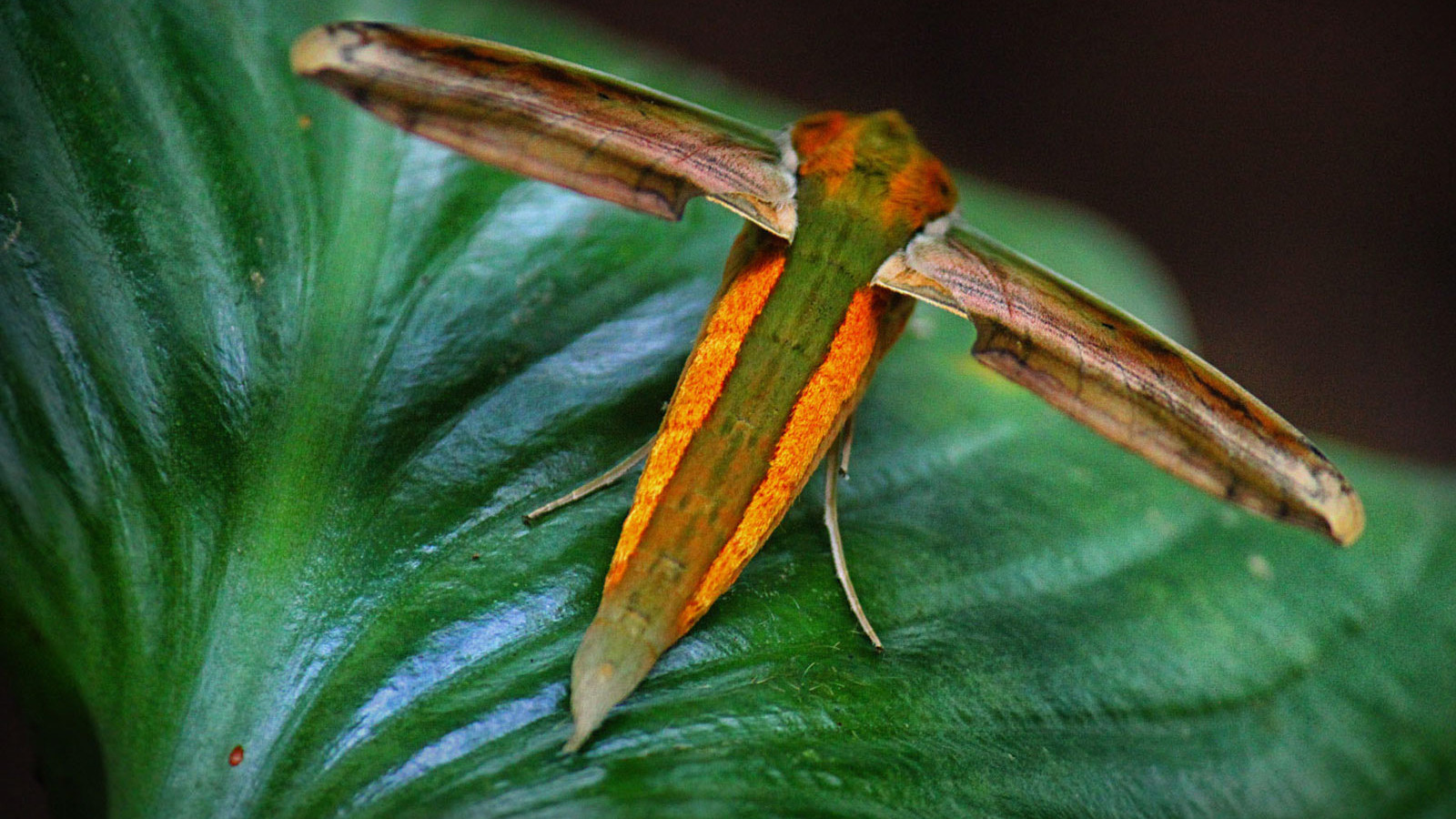
A sleek Florida sphinx moth with narrow brown wings and an orange-striped body; adults visit flowers around dusk.
The tersa sphinx is a native hawkmoth found through Florida. Its streamlined body and long, narrow wings give it a dartlike shape when resting.
Adults drink flower nectar, while caterpillars feed on plants including pentas and smooth buttonplant. Several broods can occur in Florida's long warm season.
Habitat:
Forests and Woodlands, Urban and Residential Areas
Area / Range:
Statewide
Diet:
Adults take nectar from flowers, including honeysuckle. Caterpillars eat leaves of smooth buttonplant, pentas, and several other host plants.
Behavior:
Adults begin feeding around sunset and can hover while visiting flowers. Caterpillars rest on or among host foliage and change color as they grow.
Dusk, Night
Active Times:
Best time to see:
At flowering plants around sunset during the warm months; Florida may have several broods from February through November
Florida Native Status:
Native
Conservation Status:
Globally secure and not generally a conservation concern; local numbers benefit from nectar flowers and larval host plants.
Safety Level:
Harmless
Safety Information:
Tersa sphinx moths do not sting or bite people. Leave caterpillars and adults in place, and avoid handling their delicate wings.
Benefits to Property:
Adults visit flowers for nectar and can contribute to pollination. Keeping host plants and blooms in a garden supports the moth through both life stages.
Property Concerns:
Caterpillars may chew leaves of pentas and other host plants, but feeding is usually localized. Avoid broad insecticide treatment when a few larvae can be tolerated.
Fun Fact:
Its pointed body and narrow wings give the resting moth a streamlined, almost aircraft-like silhouette. The species was originally described under the name Sphinx tersa.
Wildlife Laws:
No species-specific Florida protected status was identified in the sources reviewed. Follow site rules and obtain landowner permission before any collection; observation is the lowest-impact choice.
Identification:
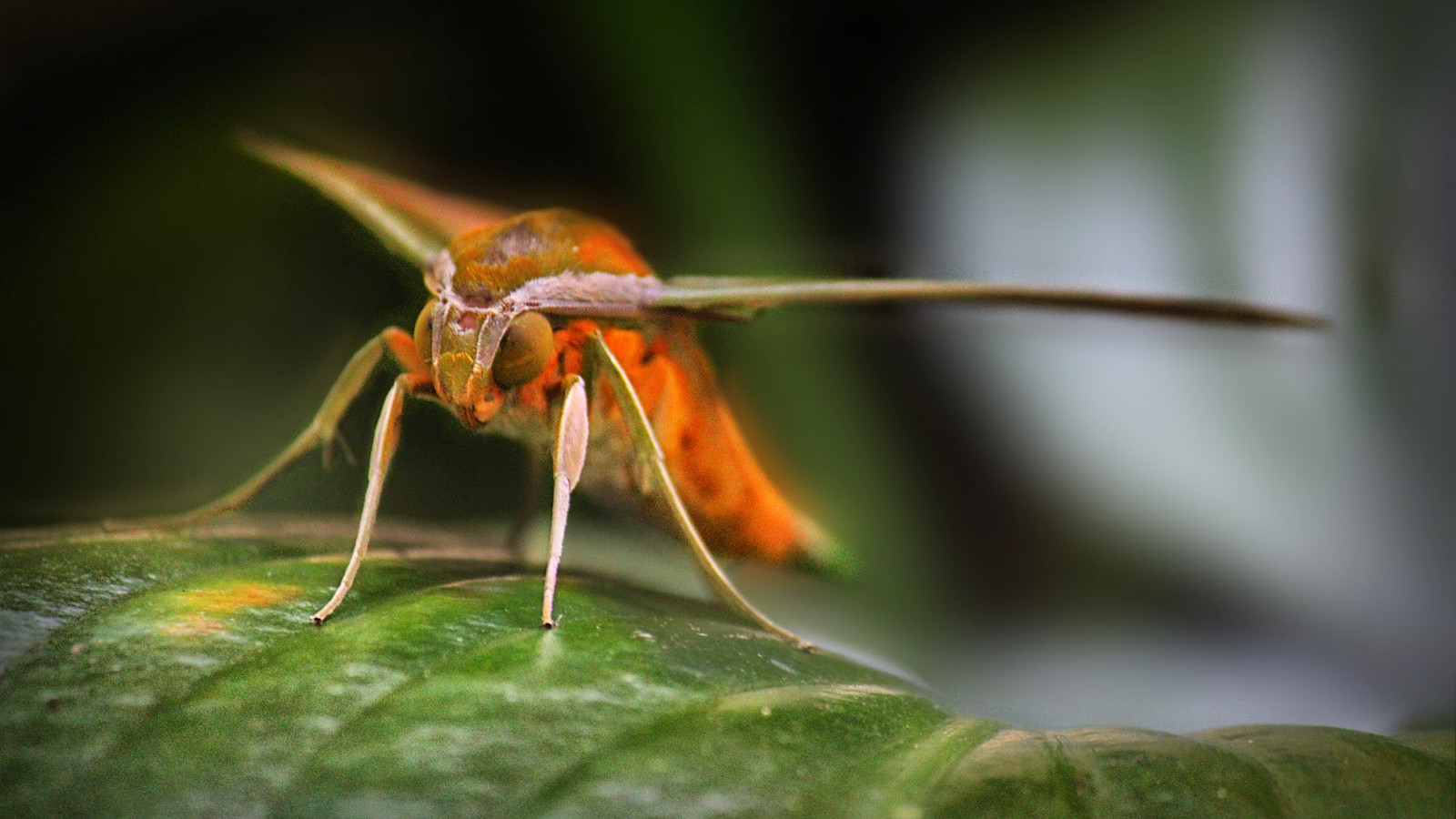
Adult wings span about 2 3/8 to 3 1/8 inches. The forewings are pale brown with lengthwise darker lines; the hindwings have pale wedge-shaped marks against a dark ground.
The body tapers to a point and may show warm yellow-orange side stripes. It is a moth, not a hummingbird, even though it can hover at flowers.