
Western Spindalis
Spindalis zena
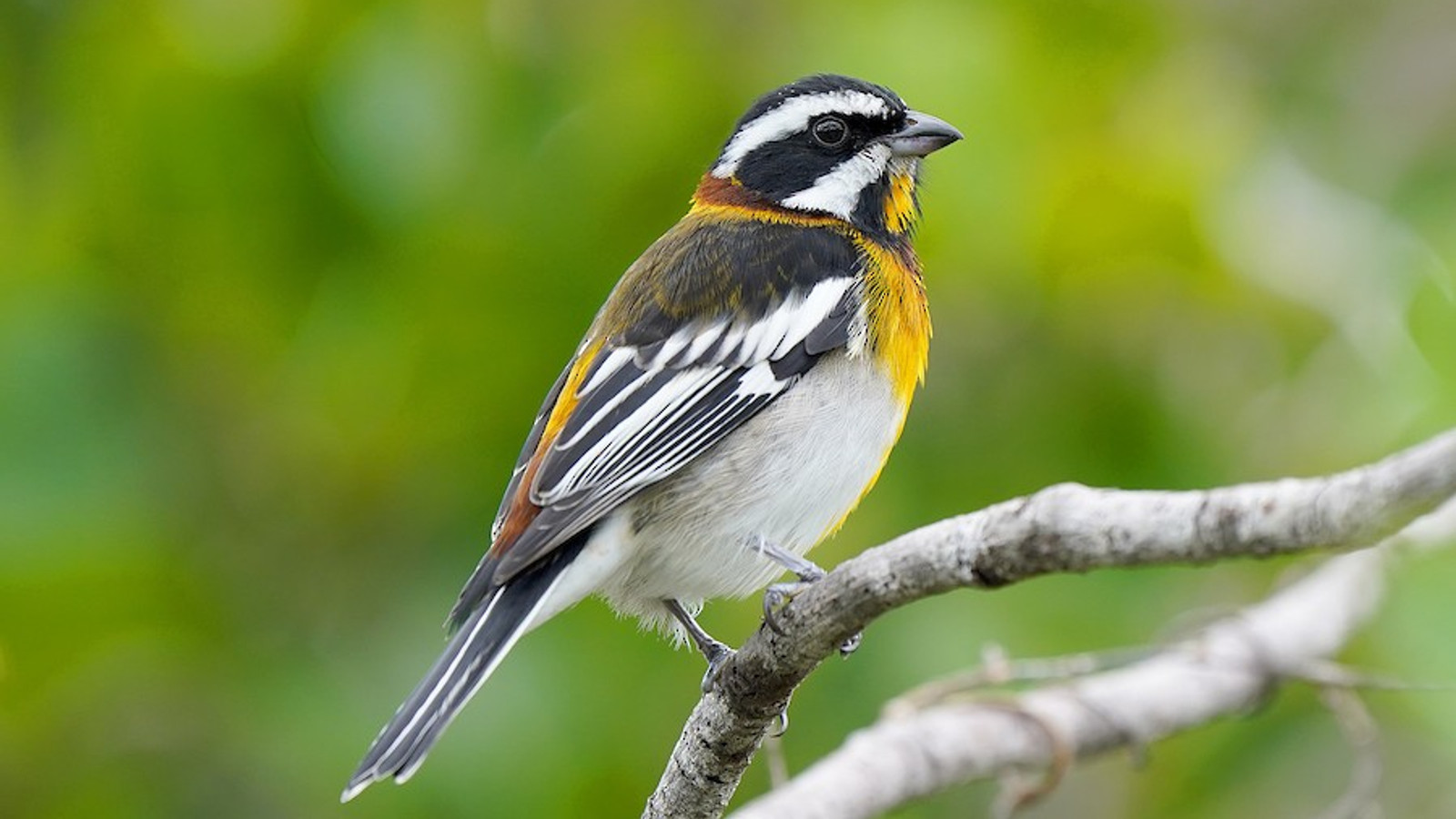
A colorful Caribbean songbird and occasional South Florida visitor, formerly called the Stripe-headed Tanager.
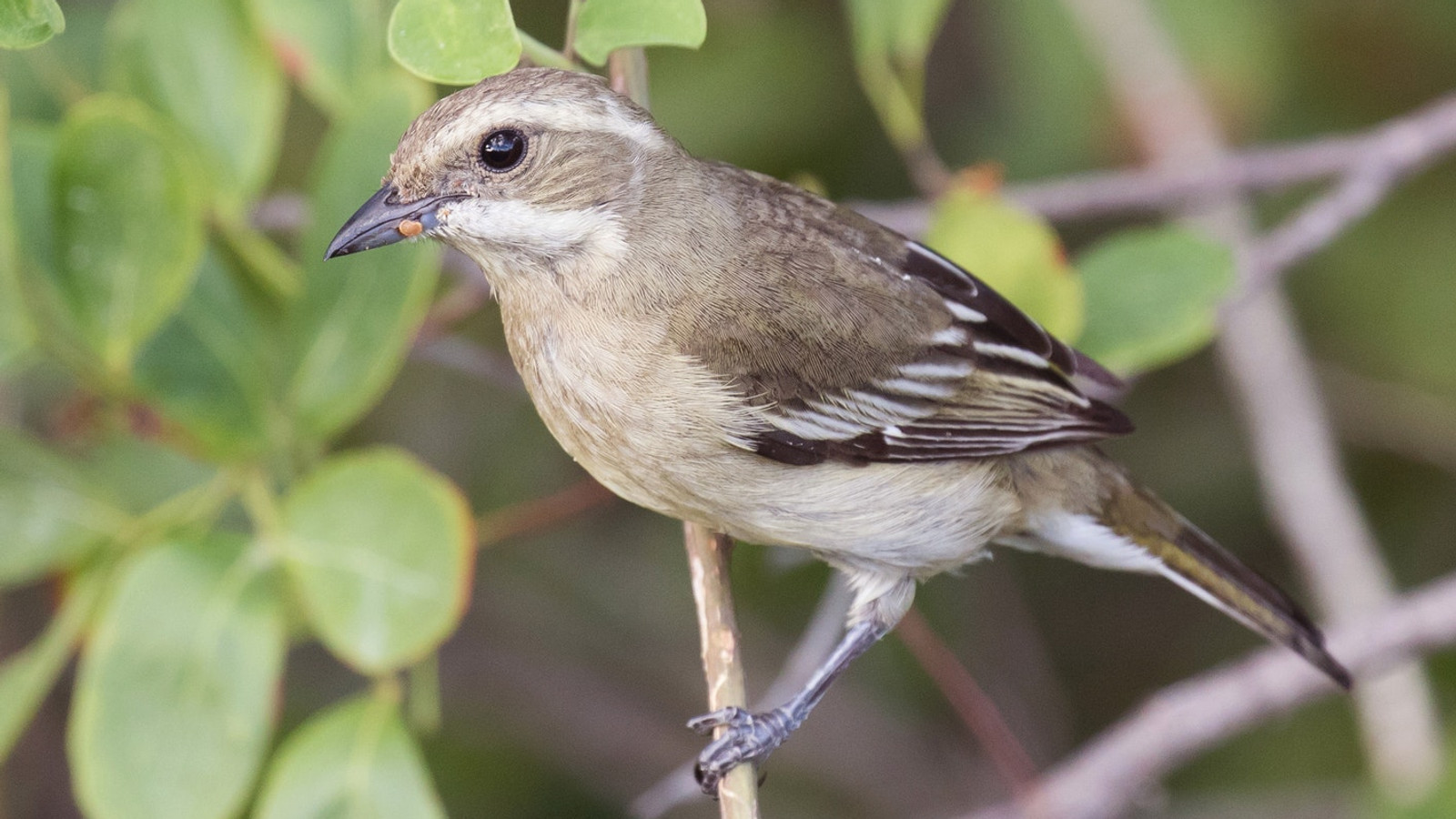
The Western Spindalis is a small Caribbean songbird associated with tropical forest, pine woodland, gardens, and fruiting vegetation. Males are boldly patterned, while females are subtler olive-gray birds.
It is a rare visitor to extreme South Florida and has occasionally bred there. Fruiting native trees and shrubs can attract wandering birds.
Habitat:
Forests and Woodlands, Urban and Residential Areas
Area / Range:
South Florida, Florida Keys
Diet:
Feeds mainly on fruits and berries, supplemented by nectar, flowers, seeds, insects, and insect larvae.
Behavior:
Forages in shrubs and trees, plucking or hovering briefly for fruit and gleaning small insects from foliage. It may join loose feeding groups around productive fruiting plants.
Daytime
Active Times:
Best time to see:
Morning around fruiting trees and shrubs in extreme South Florida.
Florida Native Status:
Rare Visitor
Conservation Status:
IUCN Least Concern; uncommon and localized in Florida.
Safety Level:
Low
Safety Information:
Harmless to people, pets, and landscaping. Watch from a respectful distance and avoid disturbing feeding or nesting birds.
Benefits to Property:
Eats fruit and insects, helping disperse some native plant seeds while also removing small arthropods from foliage.
Property Concerns:
Property concerns are negligible. Fruit-eating birds may leave small droppings beneath favored perches.
Fun Fact:
The species was once widely known as the Stripe-headed Tanager, but it is now placed in its own family, Spindalidae. Male and female plumages are strikingly different.
Wildlife Laws:
Do not capture, possess, or disturb wild birds, nests, or eggs. State and federal wildlife protections apply to native wild birds.
Identification:
Adult males have a black-and-white striped head, orange-gold throat and breast, pale belly, and black wings marked with white. Females are olive-gray with a pale eyebrow and white wing markings.