
Wheel Bug
Arilus cristatus
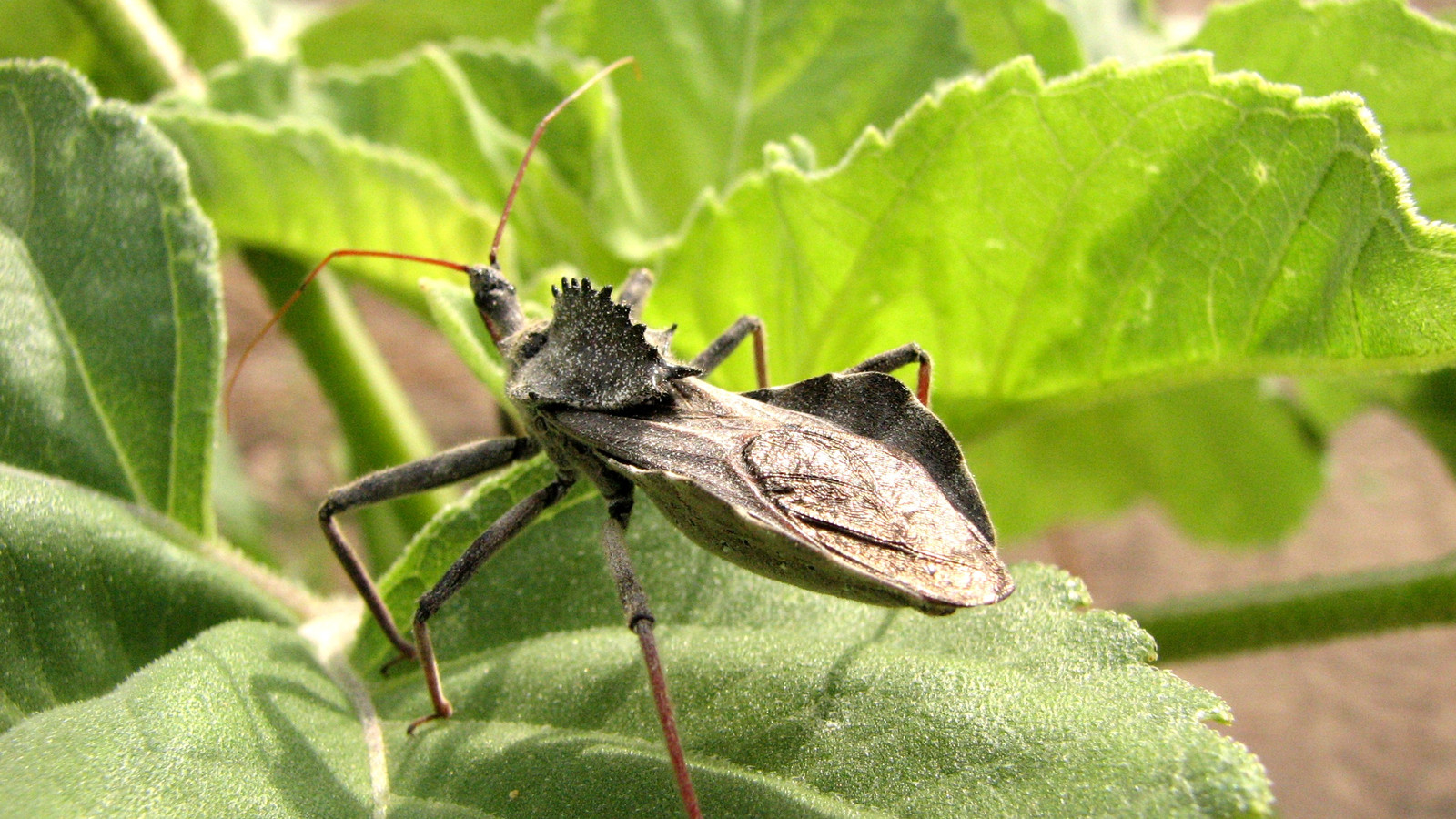
A large predatory true bug recognized by the toothed wheel-like crest on its back.
The Wheel Bug is one of the largest assassin bugs in North America. An adult carries a distinctive semicircular, toothed crest behind its head and hunts other insects on vegetation.
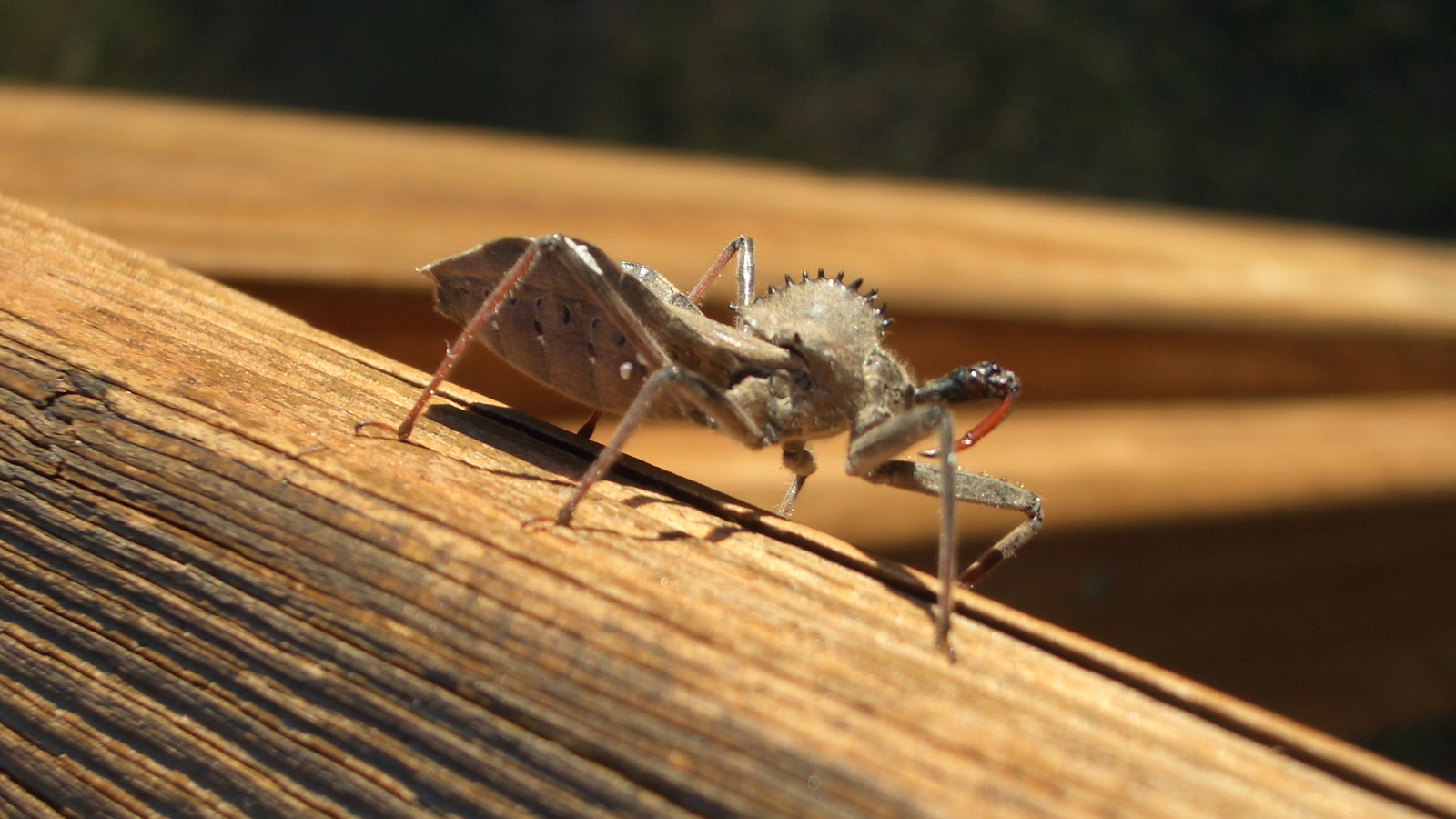
Nymphs lack the fully developed wheel and change appearance as they mature. Both stages are predators; leave them undisturbed because the piercing mouthpart delivers a painful defensive bite.
Habitat:
Forests and Woodlands, Urban and Residential Areas, Pine Flatwoods and Sandhills, Grasslands and Agricultural Areas
Area / Range:
Statewide
Diet:
Predates caterpillars, beetles, and other insects by grasping prey and feeding through a piercing beak.
Behavior:
Moves slowly among leaves and branches while hunting. It generally avoids people but bites defensively when grabbed.
Day
Active Times:
Best time to see:
Adults are most visible in warm months on vegetation and around gardens
Florida Native Status:
Native
Conservation Status:
Not listed as an imperiled Florida species
Safety Level:
Painful bite if handled
Safety Information:
Do not pick up the insect. Its defensive bite is painful, although it normally avoids people.
Benefits to Property:
A natural predator of several garden and landscape insects.
Property Concerns:
Handling or brushing against the insect can cause a painful bite. Avoid picking it up barehanded.
Fun Fact:
The adult's raised crest looks like a small gear or half-wheel, giving the species its common name.
Wildlife Laws:
No species-specific Florida protection was identified. Observe in place and avoid unnecessary collection.
Identification:
The gray-brown adult has a long narrow head, a stout piercing beak folded beneath it, and the unmistakable toothed crest on the thorax. Long legs and folded wings complete the outline.
Young nymphs are smaller, often more colorful, and lack the adult crest. Do not identify a nymph by the wheel alone.