
American Kestrel
Falco sparverius
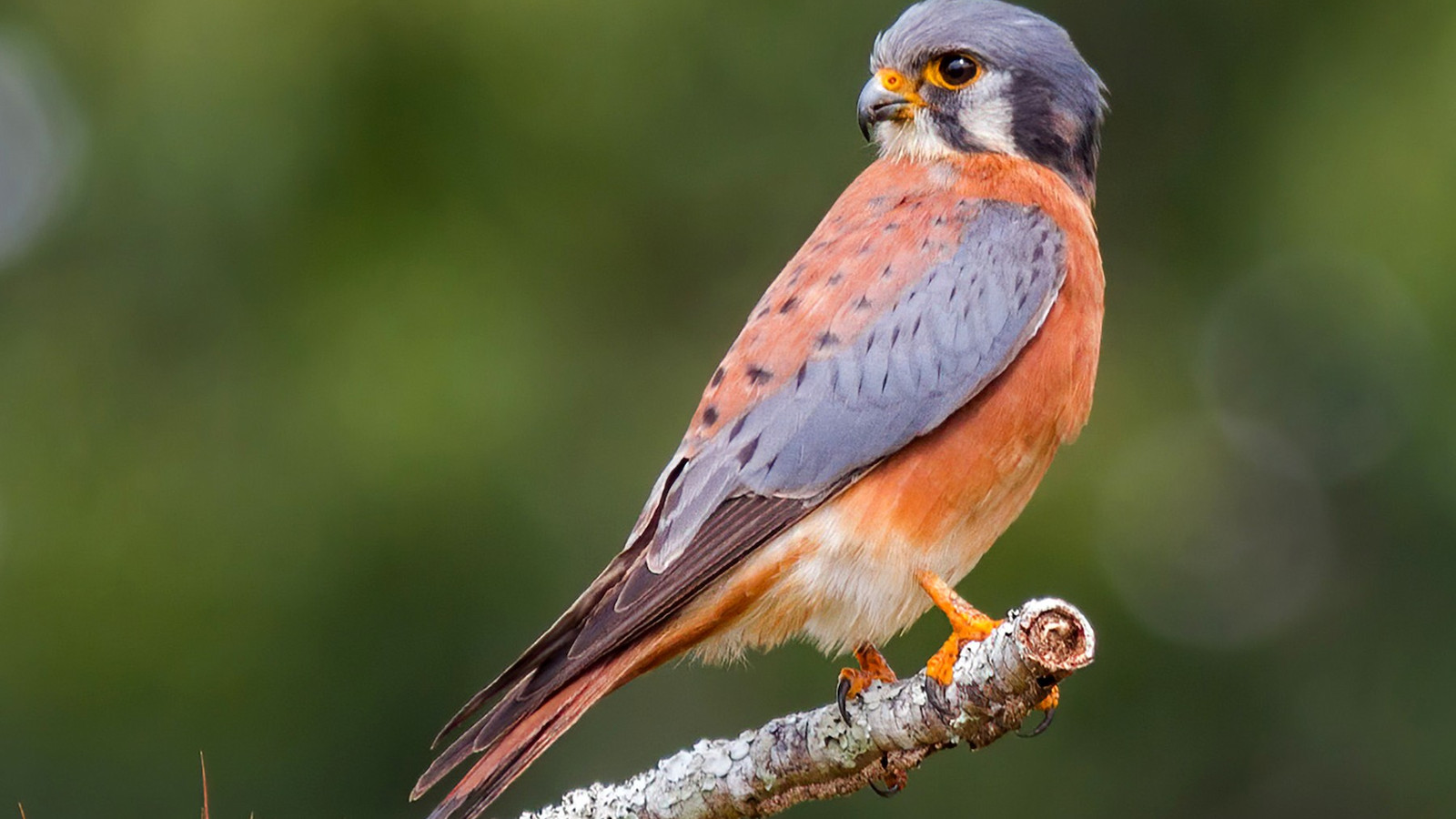
North America's smallest falcon, often seen watching open ground from wires, poles, and exposed branches.
American Kestrels hunt from elevated perches and by hovering over short vegetation. Florida receives winter migrants, while the smaller southeastern subspecies breeds year-round in the state.
Kestrels rely on existing tree cavities and suitable nest boxes because they do not excavate their own nests.
Habitat:
Grasslands and Agricultural Areas, Scrub and Dry Prairie, Urban and Residential Areas
Area / Range:
Statewide
Diet:
Feeds on large insects, lizards, small snakes, mice, frogs, and small birds.
Behavior:
Perches conspicuously, drops onto prey, and sometimes hovers in place. Pairs use natural cavities, old woodpecker holes, and properly installed nest boxes.
Daytime
Active Times:
Best time to see:
Cool-season mornings along open fields, road corridors, ranchland, and utility lines.
Florida Native Status:
Native
Conservation Status:
The resident southeastern American kestrel is state-designated Threatened in Florida; the species is not federally listed.
Safety Level:
Low
Safety Information:
Harmless when watched from a distance. Keep people and pets away from active nest boxes.
Benefits to Property:
Controls grasshoppers, rodents, and other small animals in open landscapes.
Property Concerns:
May defend an active nest cavity. Poorly placed nest boxes can expose young to heat, predators, or vehicle traffic.
Fun Fact:
- Kestrels can hover while searching for prey.
- They see ultraviolet patterns associated with rodent scent trails.
- They often reuse successful nesting areas.
Wildlife Laws:
Protected under the Migratory Bird Treaty Act. Florida's resident southeastern subspecies receives additional state protection. Active nests, eggs, and birds must not be disturbed or taken.
Identification:
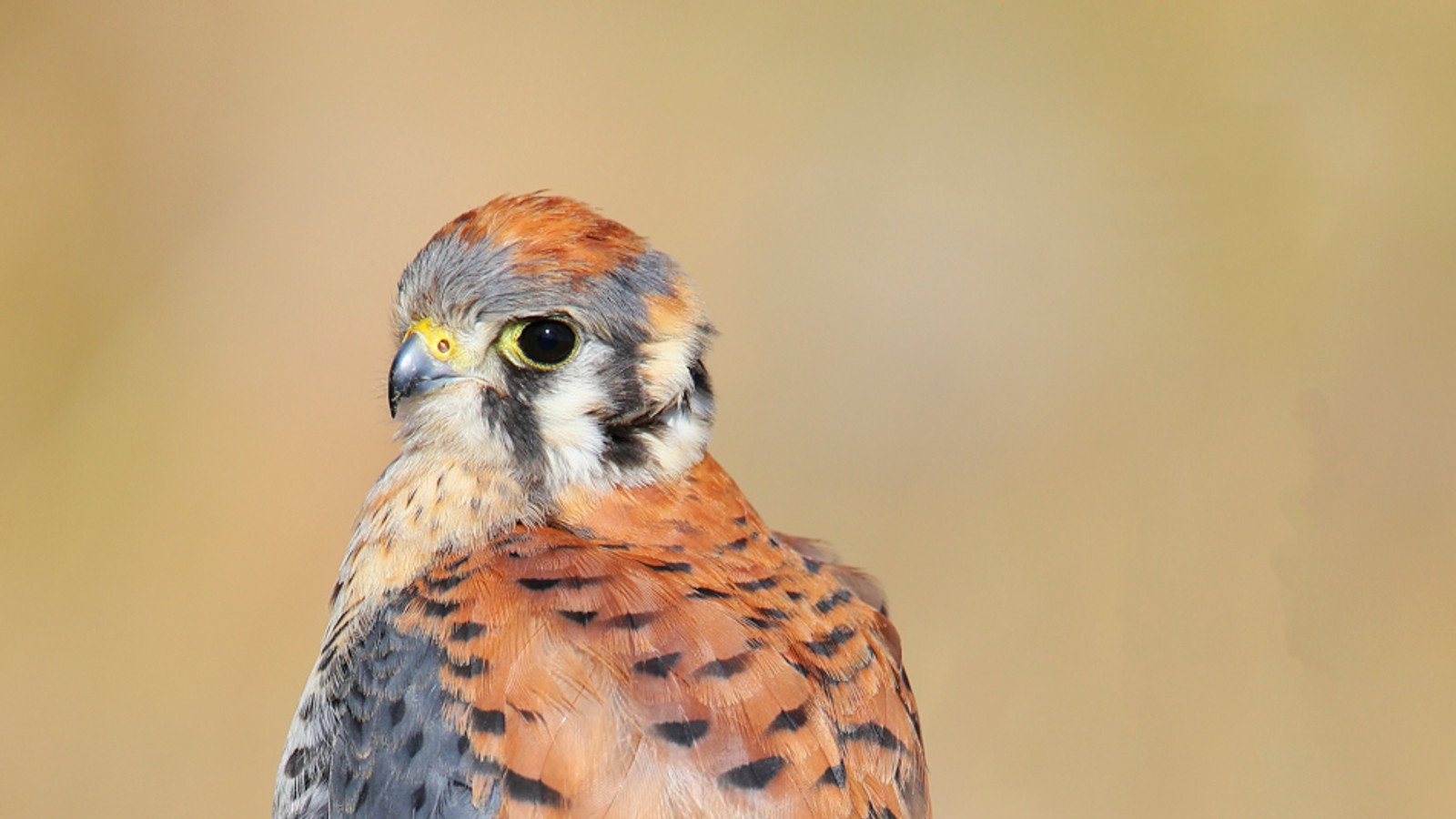
Small falcon with two dark vertical facial marks, pointed wings, and a long tail. Males have blue-gray wings and a rusty back. Females are rusty brown with dark barring.