
Bachman's Sparrow
Peucaea aestivalis
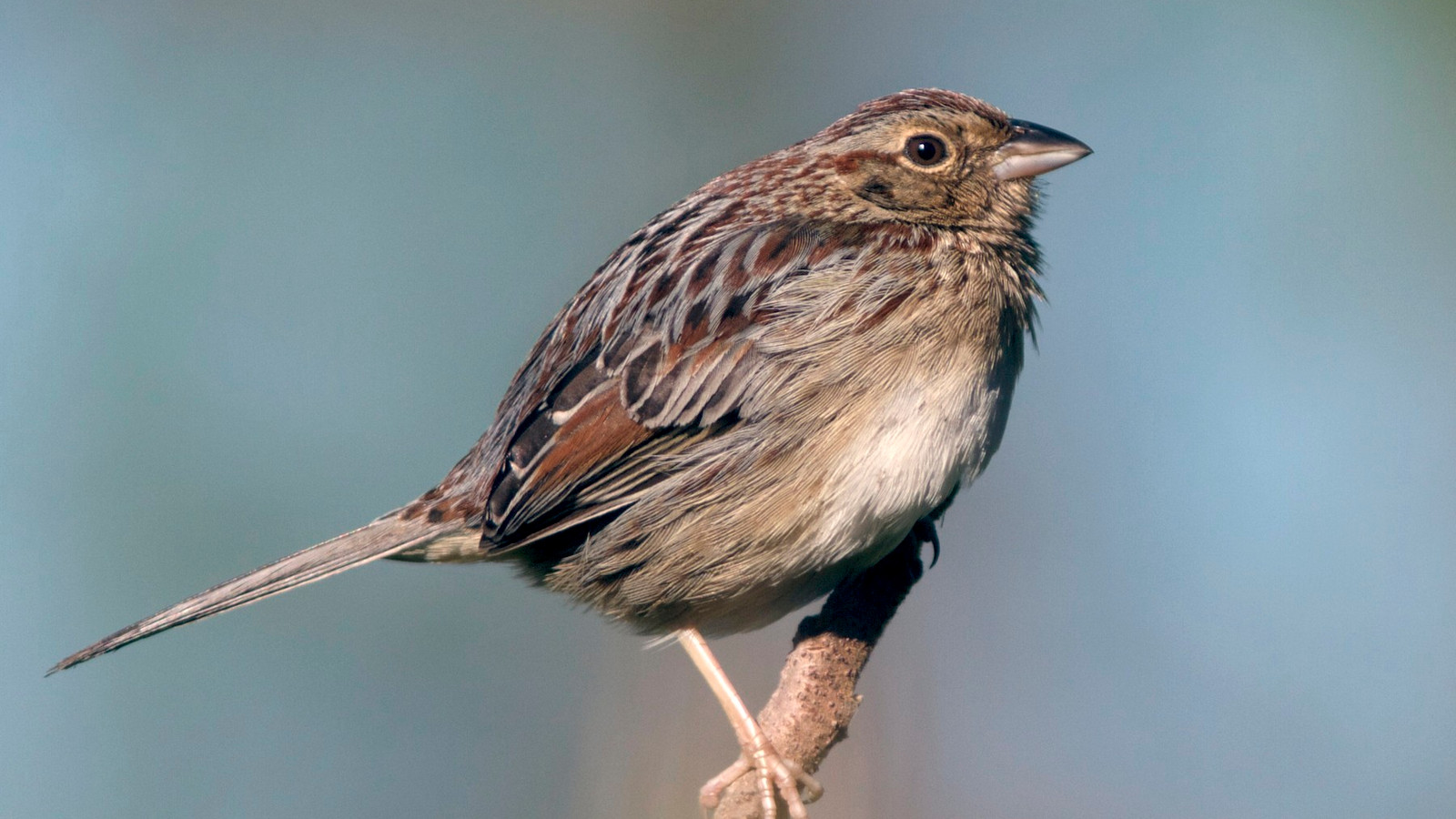
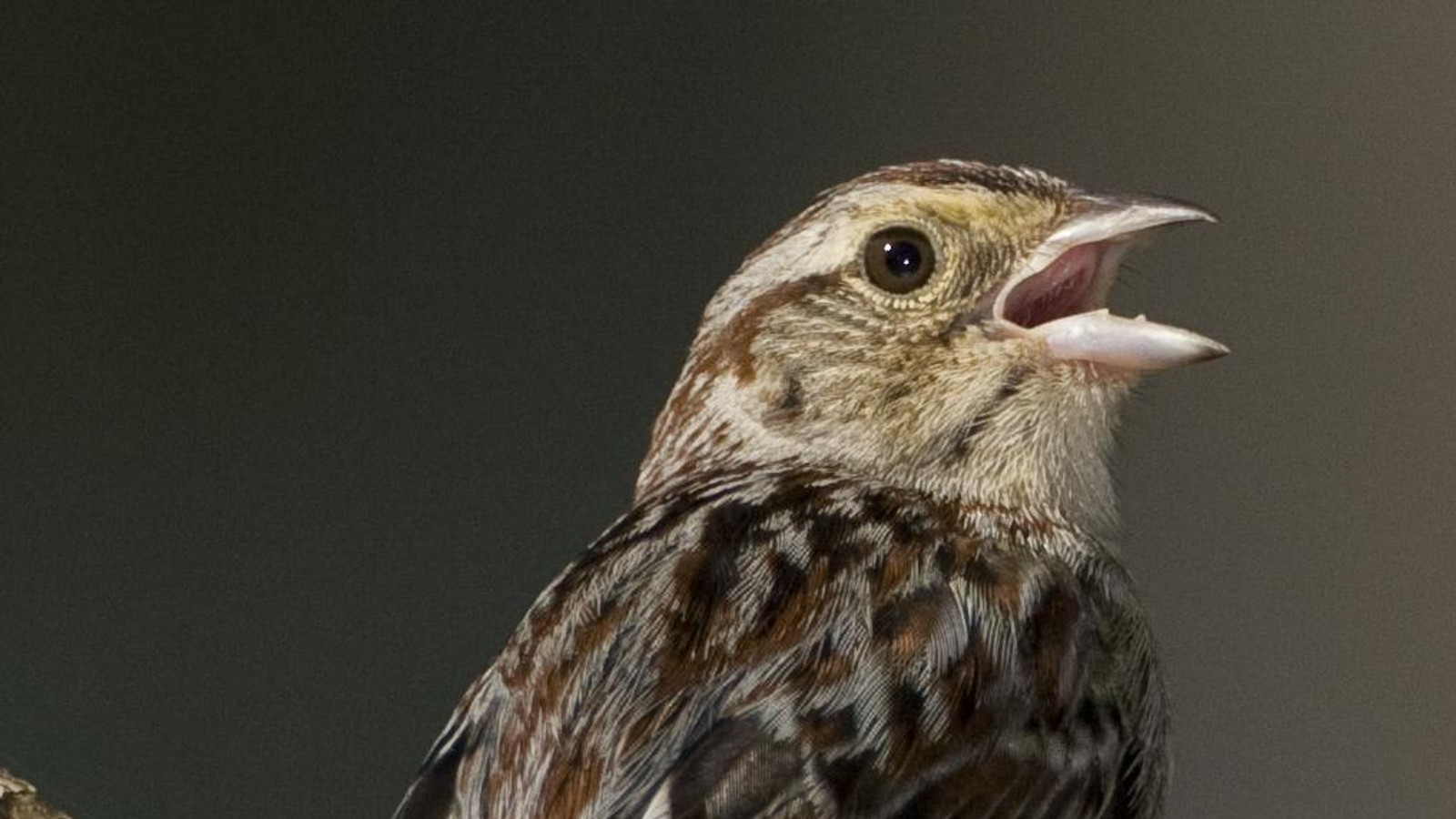
A shy pinewoods sparrow best detected by its clear opening whistle and musical trill.
Bachman's Sparrows live in open pine forests with a grassy ground layer maintained by frequent fire. They spend much of the day hidden near the ground and often reveal themselves first through song.
Florida supports important populations in longleaf pine, sandhill, and flatwoods landscapes where regular burning prevents dense woody growth.
Habitat:
Pine Flatwoods and Sandhills, Forests and Woodlands
Area / Range:
Florida Panhandle, North Florida, Central Florida
Diet:
Eats grass seeds, pine seeds, beetles, grasshoppers, spiders, and other small invertebrates.
Behavior:
Forages on the ground under grass and palmetto cover. Males sing from low pine limbs or shrubs, especially during spring breeding.
Dawn and Dusk, Daytime
Active Times:
Best time to see:
Spring mornings in recently burned longleaf pine or open flatwoods with a healthy grass layer.
Florida Native Status:
Native
Conservation Status:
Not federally listed; declining where fire-maintained pine habitat is lost or becomes overgrown.
Safety Level:
Low
Safety Information:
Harmless. Watch from a distance and avoid approaching singing birds repeatedly during nesting season.
Benefits to Property:
Consumes insects and seeds while indicating a healthy, open pine ecosystem.
Property Concerns:
No direct property concern. Dense mowing, fire exclusion, and clearing of native groundcover reduce habitat value.
Fun Fact:
- The species often runs rather than flies when disturbed.
- Its opening whistle carries far through open pines.
- Prescribed fire is central to habitat quality.
Wildlife Laws:
Protected under the Migratory Bird Treaty Act. Active nests, eggs, and young must not be taken or destroyed.
Identification:
Medium brown sparrow with a rounded tail, gray face, rusty crown and eye line, pale bill, and plain buff-gray underparts. The breast lacks the strong streaking shown by many other sparrows.