
Black Crappie
Pomoxis nigromaculatus
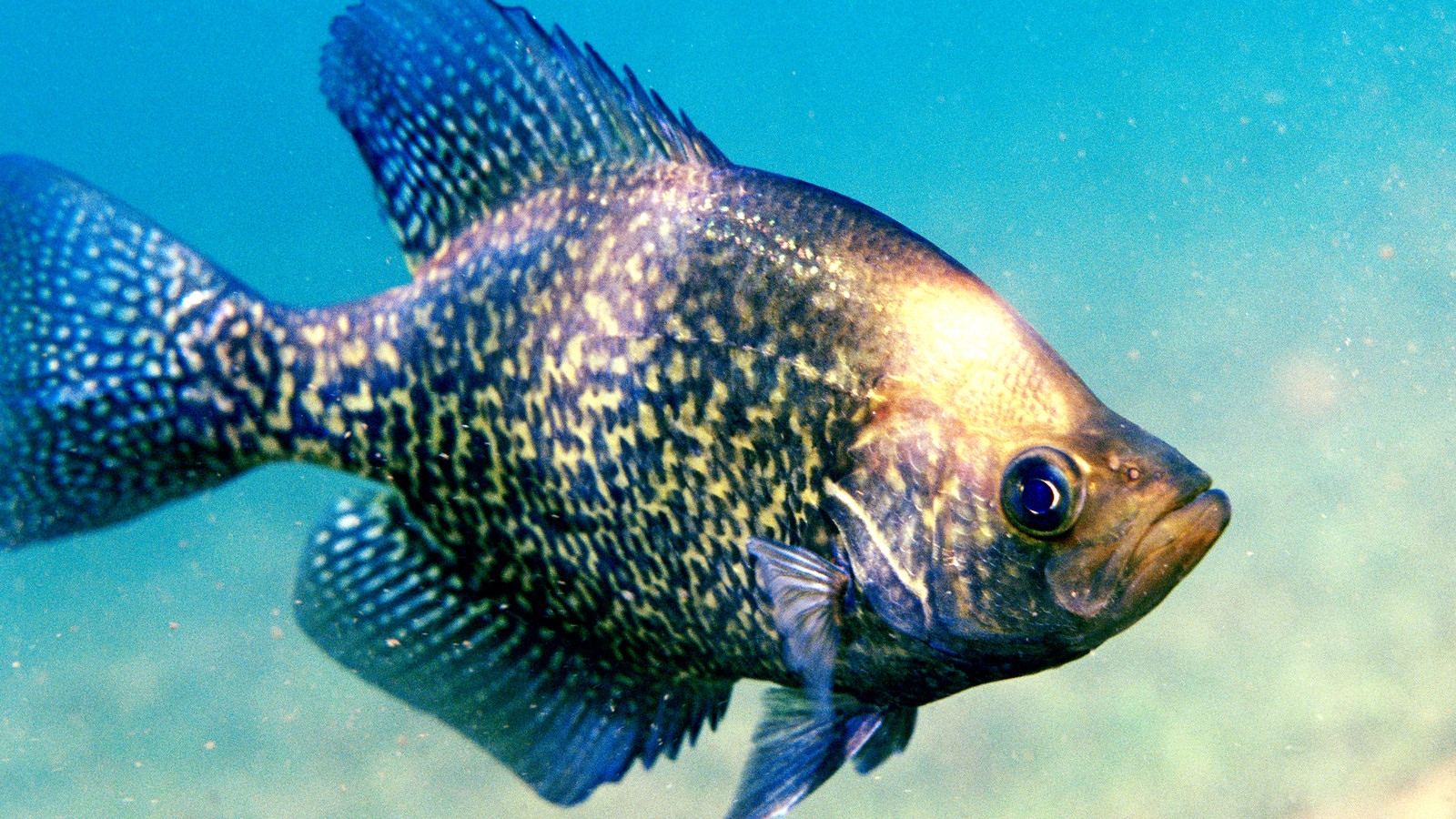
A popular Florida freshwater game fish marked by scattered dark speckles across a deep silvery body.
Black Crappie inhabit Florida lakes, reservoirs, canals, and slow river sections with vegetation, brush, or submerged timber. Anglers often call them speckled perch.
They school around cover and move into shallower water to spawn during cooler months. Healthy habitat and responsible harvest support strong populations.
Habitat:
Lakes and Ponds, Rivers and Springs, Canals and Ditches
Area / Range:
Statewide
Diet:
Eats small fish, aquatic insects, shrimp, crayfish, and zooplankton. Larger individuals feed heavily on minnows.
Behavior:
Forms schools near brush, docks, vegetation, and depth changes. Spawning fish move into shallow protected areas.
Daytime, Dawn and Dusk, Nighttime
Active Times:
Best time to see:
Late fall through spring, when Florida fish move shallower and anglers locate schools near cover.
Florida Native Status:
Native
Conservation Status:
Secure and widely managed as a sport fish.
Safety Level:
Low
Safety Information:
Use care around sharp dorsal spines and hooks. Follow fish-consumption guidance for the specific waterbody.
Benefits to Property:
Supports recreational fishing and balanced freshwater predator-prey relationships.
Property Concerns:
Stocking small ponds without a management plan may create competition and unbalanced fish populations.
Fun Fact:
- Florida anglers call it speckled perch.
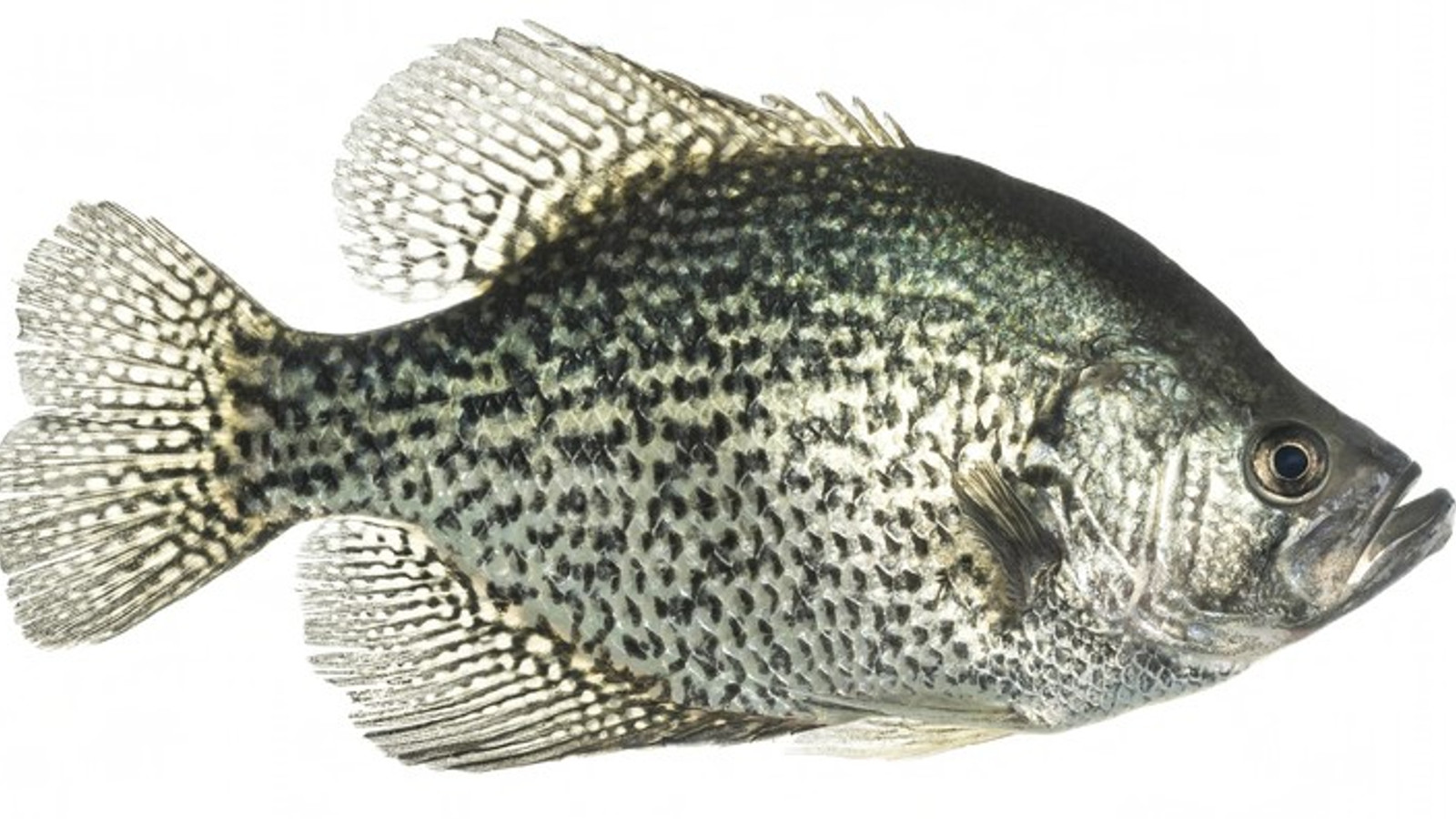
- Its mottled pattern differs from white crappie bars.
- Schools suspend around structure.
Wildlife Laws:
Freshwater licenses, harvest limits, legal methods, and waterbody-specific rules apply. Review current FWC regulations.
Identification:
Deep, compressed silvery fish with irregular black speckles over the body and fins, a large mouth, and seven or eight dorsal spines.