
Bowfin
Amia calva
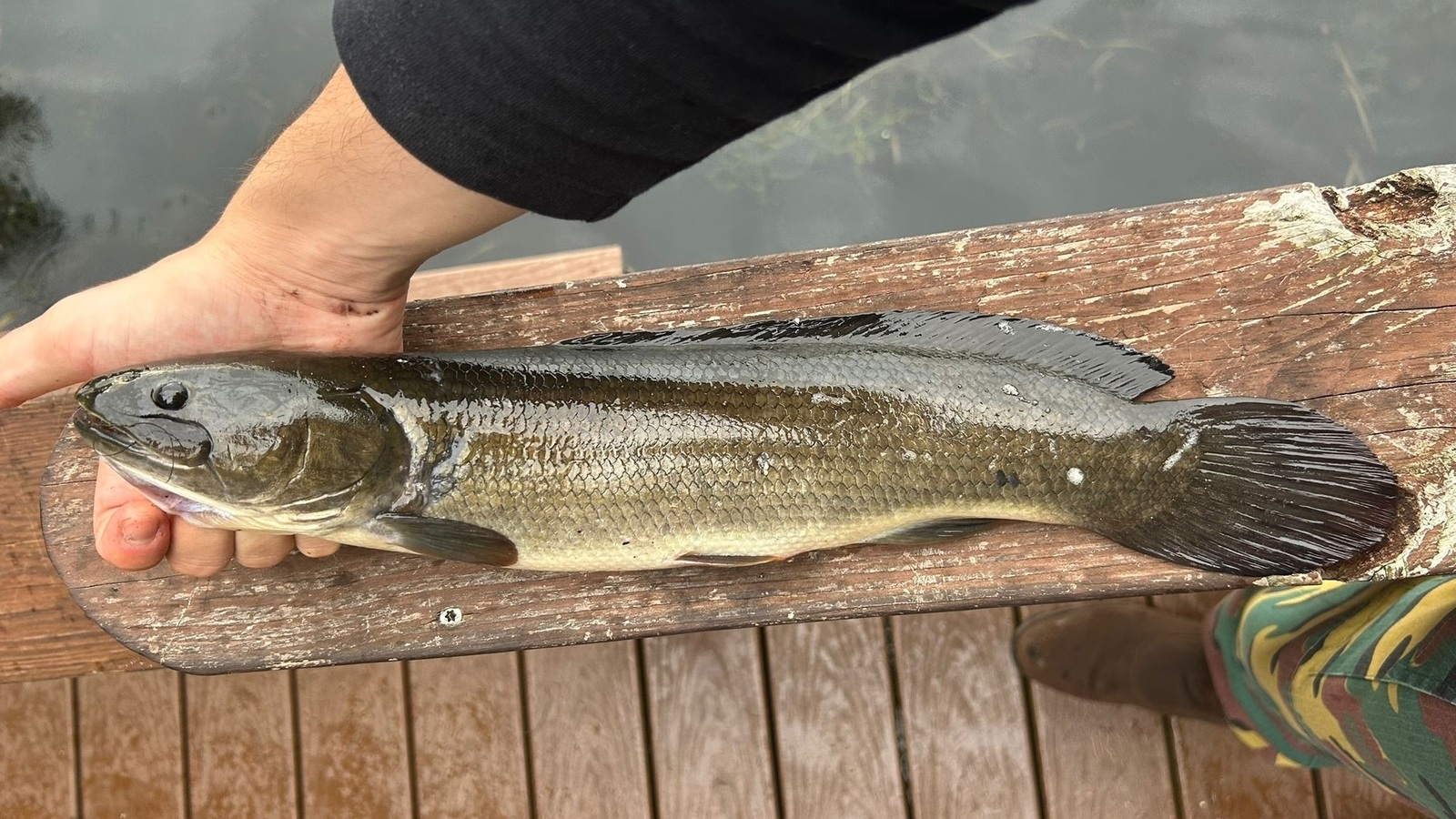
A powerful ancient freshwater fish with a long dorsal fin, rounded tail, and ability to gulp air in low-oxygen Florida waters.
Bowfin inhabit swamps, backwaters, vegetated lakes, slow rivers, and canals throughout Florida. They tolerate warm, low-oxygen water by using a vascularized swim bladder to breathe air.
As native predators, bowfin help structure fish and crayfish communities. They are tough sport fish and should be handled carefully.
Habitat:
Freshwater Wetlands, Lakes and Ponds, Rivers and Springs, Canals and Ditches
Area / Range:
Statewide
Diet:
Feeds on fish, crayfish, frogs, aquatic insects, and other available prey.
Behavior:
Often rests in vegetation and ambushes prey. It surfaces to gulp air when dissolved oxygen is low and defends nests and young.
Daytime, Nighttime, Dawn and Dusk
Active Times:
Best time to see:
Warm months in shallow vegetated freshwater, especially early or late in the day.
Florida Native Status:
Native
Conservation Status:
Not listed; widespread in suitable Florida freshwater habitat.
Safety Level:
Moderate
Safety Information:
Use pliers and secure handling around the mouth. Bowfin have strong jaws, sharp teeth, and powerful body movement.
Benefits to Property:
Maintains native predator-prey balance and consumes abundant fish and crayfish.
Property Concerns:
No direct property concern. Do not move fish between ponds or waterways because transfers can spread disease and disrupt local communities.
Fun Fact:
- Bowfin belong to an ancient fish lineage.
- They can breathe atmospheric air.
- Males guard eggs and schools of young.
Wildlife Laws:
A Florida freshwater fishing license and current gear, transport, and harvest rules may apply. Check FWC regulations before fishing or moving fish.
Identification:
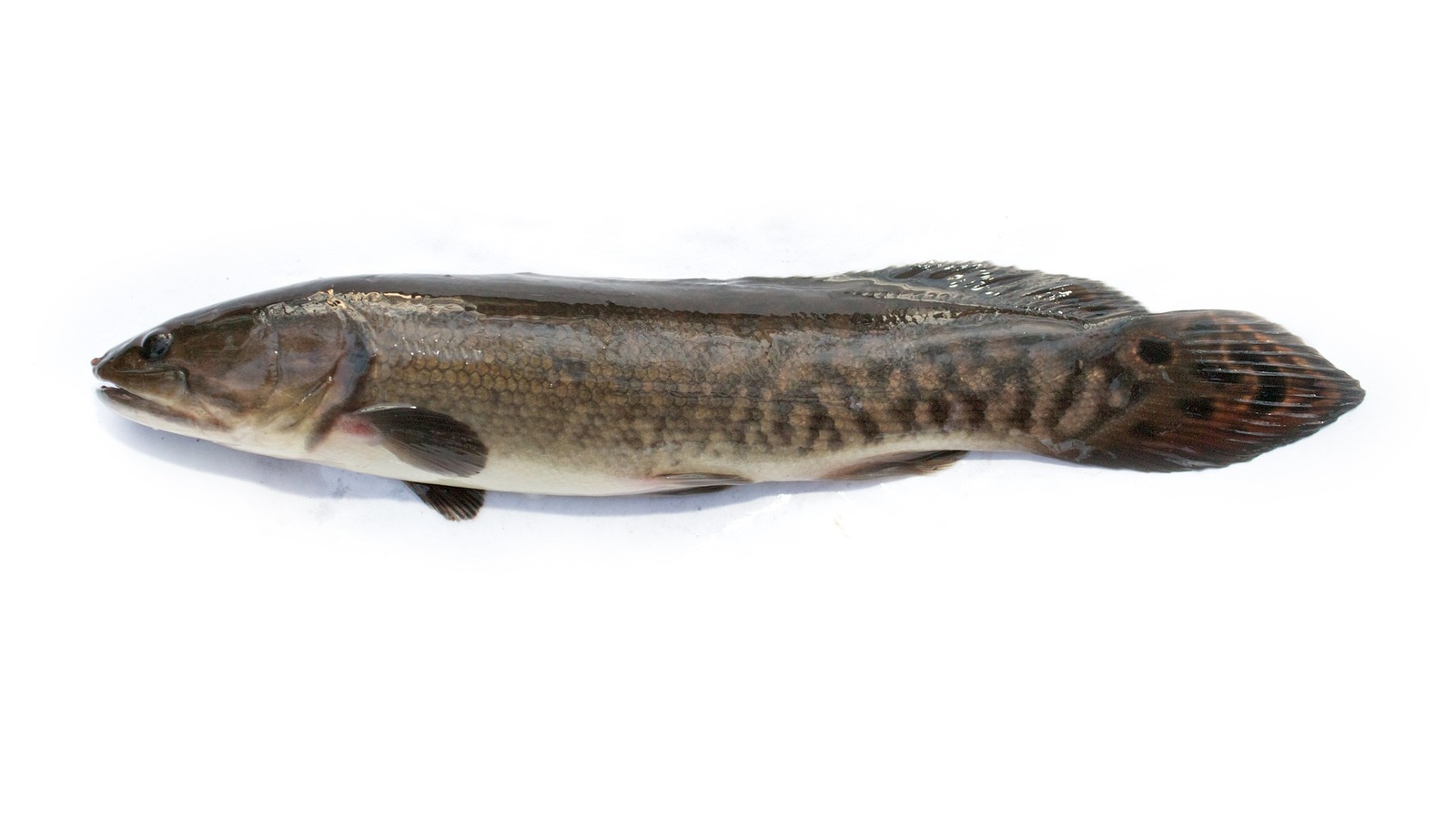
Long cylindrical body, broad bony head, very long dorsal fin, rounded tail, and sharp teeth. Males often have a dark tail spot ringed in orange or yellow.