
Bronze Frog
Lithobates clamitans clamitans
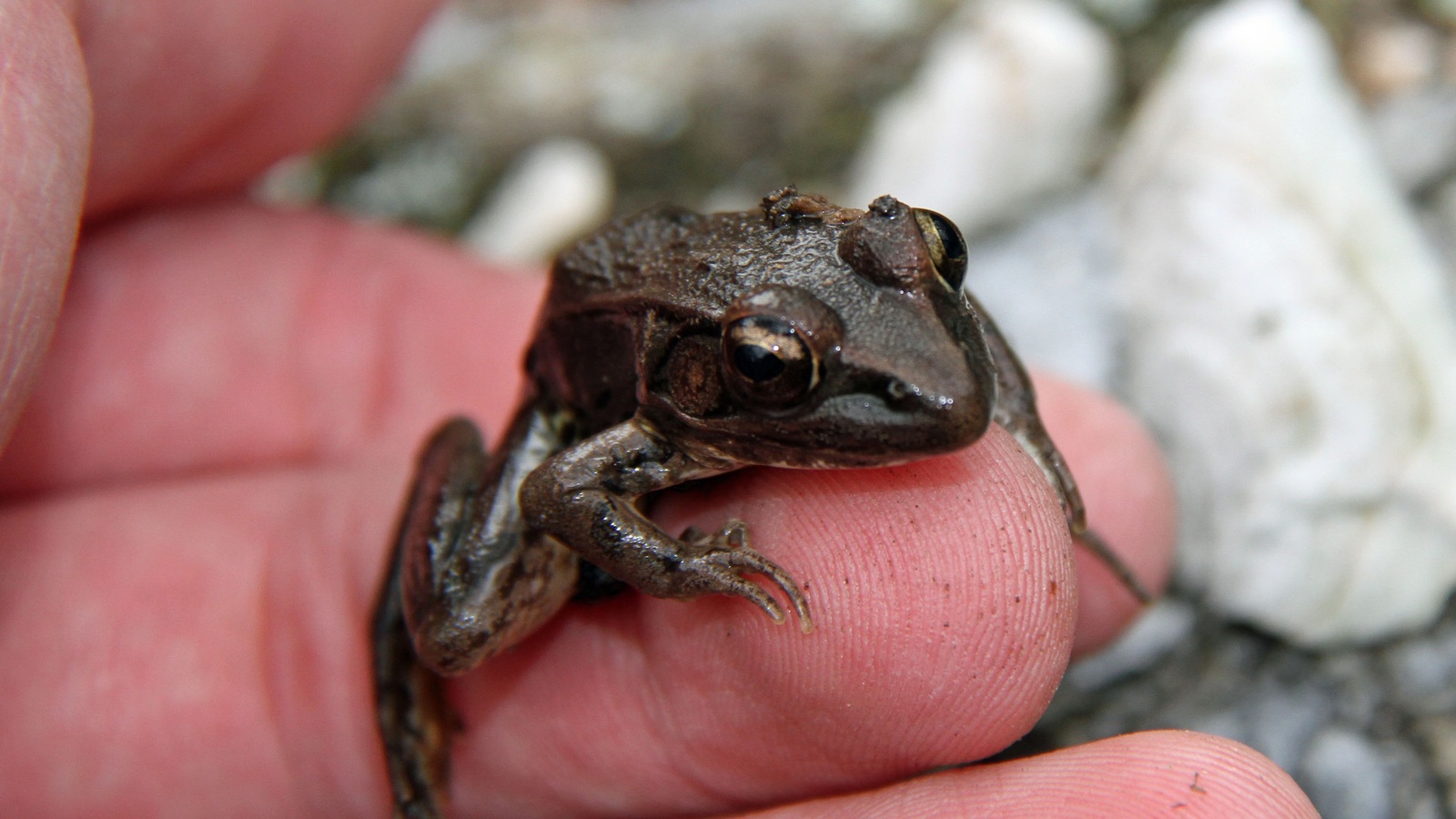
A bronze-brown member of the green frog complex found along shaded ponds, streams, swamps, and springs in northern Florida.
Bronze Frogs remain close to permanent freshwater with vegetated banks and shaded cover. Adults often sit at the water’s edge and jump into deeper water when disturbed.
Their banjo-like call is a familiar sound in northern Florida wetlands. Clean water, natural banks, and reduced pesticide use support local populations.
Habitat:
Freshwater Wetlands, Lakes and Ponds, Rivers and Springs
Area / Range:
Florida Panhandle, North Florida, Central Florida
Diet:
Eats insects, spiders, snails, small crustaceans, and other small animals near water.
Behavior:
Waits along shorelines, then leaps into water when approached. Males call from spring through summer with a plucked banjo note.
Daytime, Nighttime, Dawn and Dusk
Active Times:
Best time to see:
Warm evenings along shaded freshwater banks, especially during spring and summer calling periods.
Florida Native Status:
Native
Conservation Status:
Not federally or state listed; water quality and shoreline habitat affect local abundance.
Safety Level:
Low
Safety Information:
Harmless. Avoid handling because amphibian skin absorbs oils and chemicals. Keep lawn treatments away from shorelines.
Benefits to Property:
Consumes insects and provides food for native wading birds, snakes, and fish.
Property Concerns:
No property damage. Chemicals, shoreline clearing, and polluted runoff harm frogs and tadpoles.
Fun Fact:
- Its call resembles a loose banjo string.
- It often sits with only its eyes above water.
- Tadpoles may overwinter before transforming.
Wildlife Laws:
Follow current FWC rules before collecting native amphibians. Never release captive frogs or move animals between water bodies.
Identification:
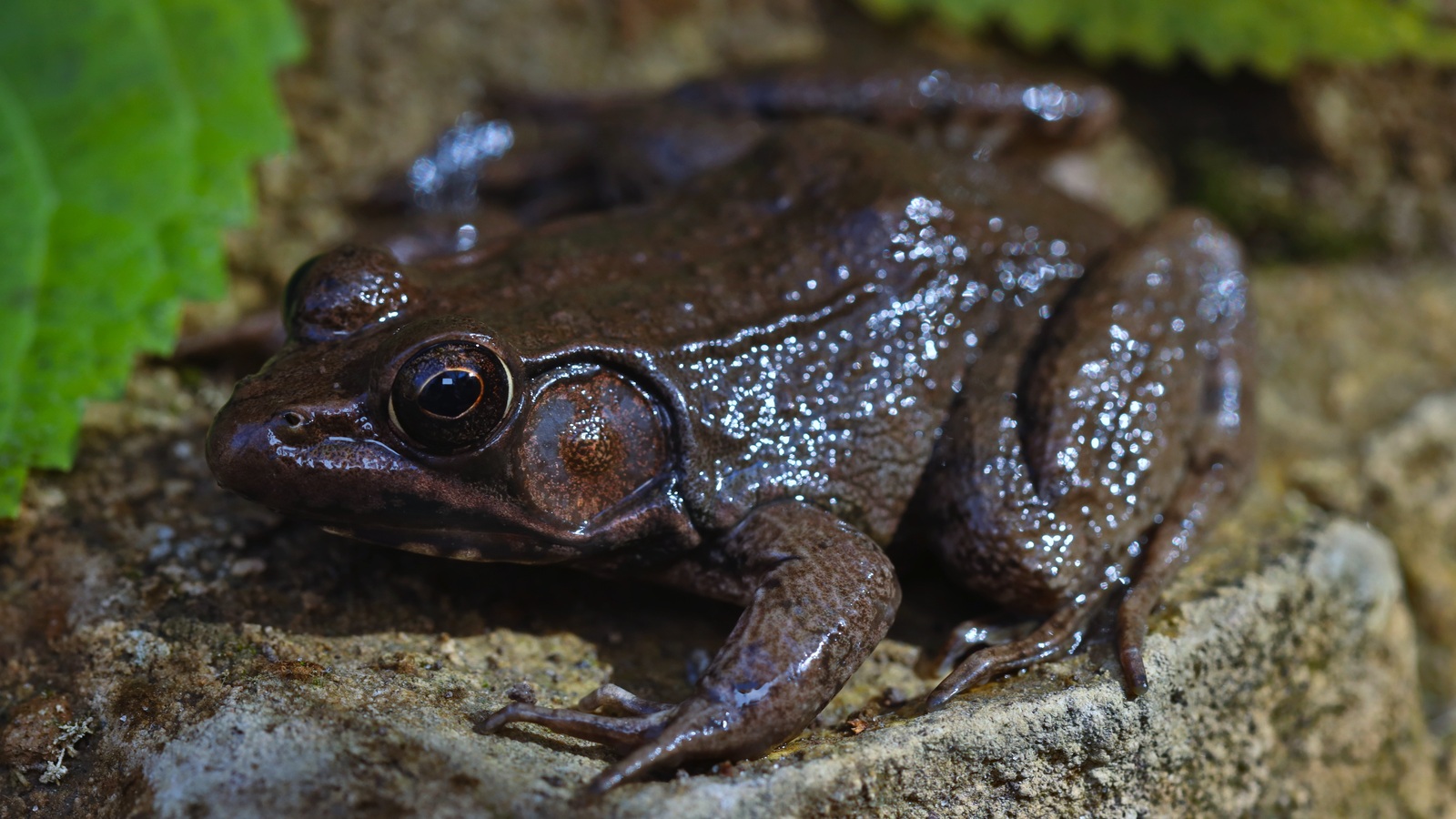
Bronze to brown frog with a pale upper lip, dark mottling, large eardrums, and raised folds extending down the back.