
Chain Pickerel
Esox niger
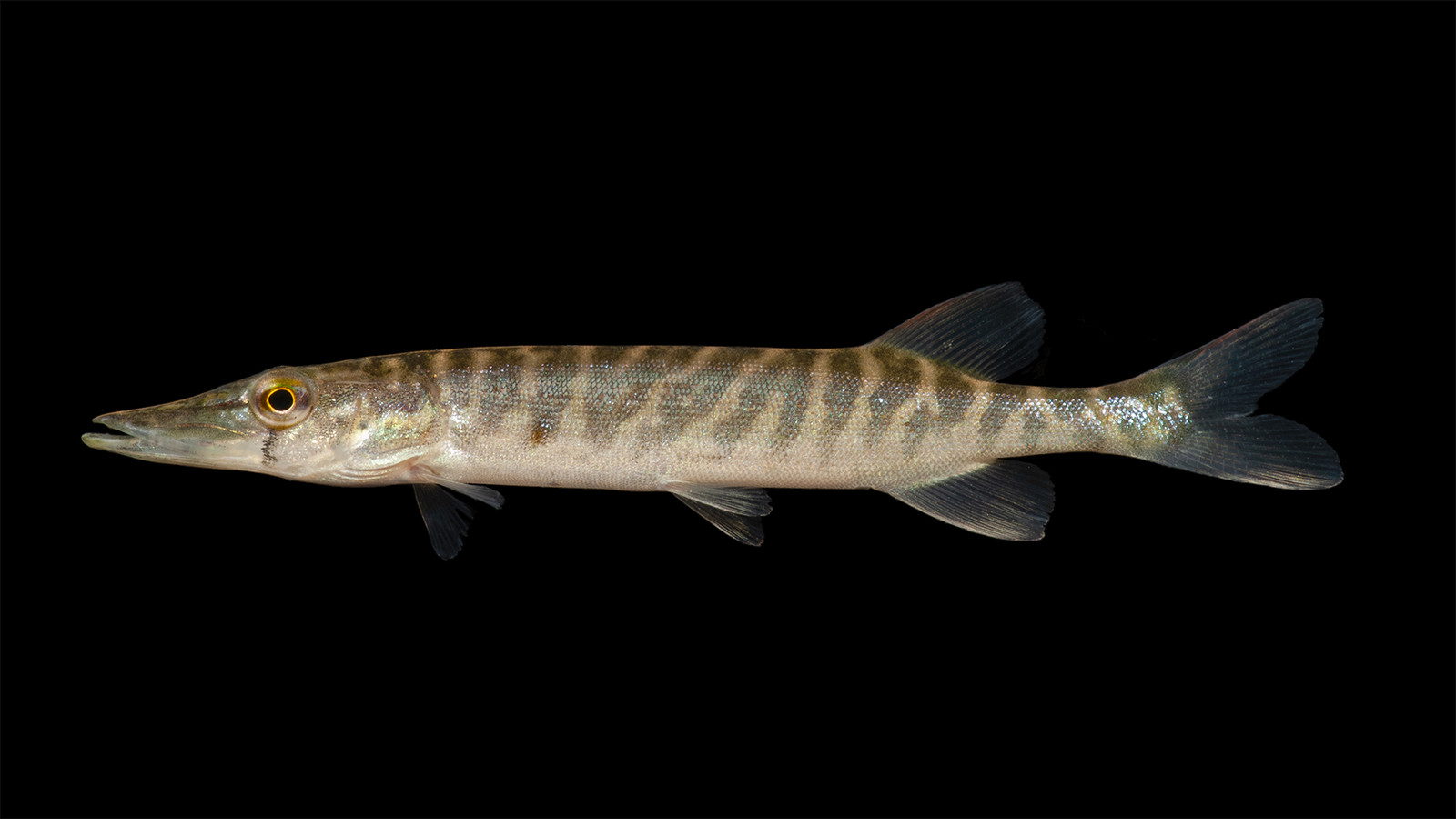
A long, chain-patterned freshwater predator that ambushes fish from dense vegetation in northern Florida waters.
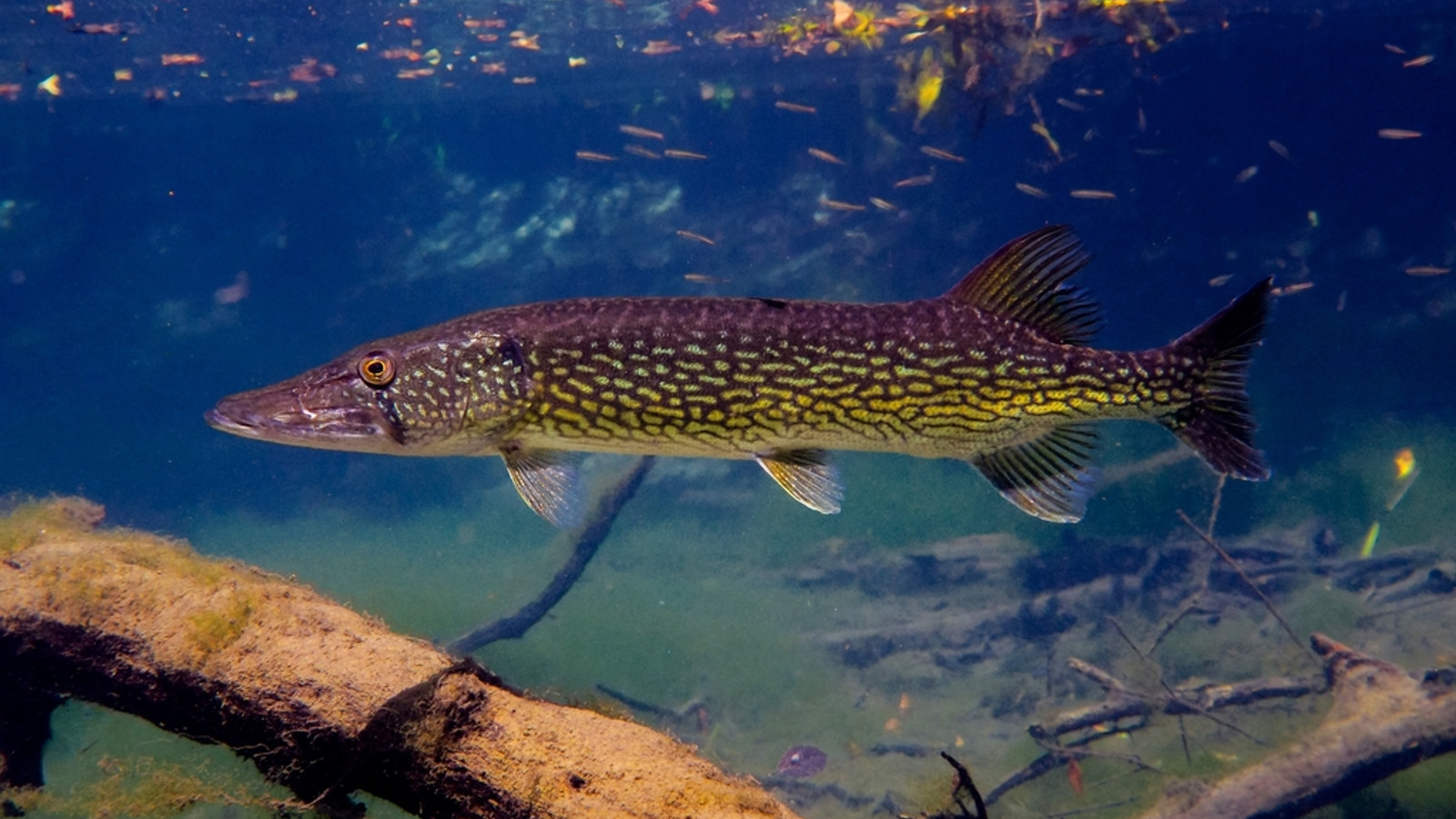
Chain Pickerel occur mainly in northern Florida lakes, ponds, swamps, and slow river backwaters. Their long body and dark chain-like pattern provide camouflage among aquatic plants.
They wait motionless and strike prey with a rapid burst. Vegetated shorelines and good water quality support both pickerel and the smaller fish they hunt.
Habitat:
Lakes and Ponds, Rivers and Springs, Freshwater Wetlands
Area / Range:
Florida Panhandle, North Florida
Diet:
Feeds primarily on fish and also takes frogs, crayfish, large insects, and small aquatic animals.
Behavior:
Ambushes prey from vegetation or woody cover, using short bursts of speed. Larger fish often hold alone in prime cover.
Daytime, Dawn and Dusk
Active Times:
Best time to see:
Cooler months in clear, vegetated northern Florida lakes, ponds, and slow rivers.
Florida Native Status:
Native
Conservation Status:
Secure in suitable northern Florida freshwater habitat.
Safety Level:
Moderate
Safety Information:
Sharp teeth and hooks cause injuries. Use pliers, support the fish carefully, and keep fingers away from the mouth.
Benefits to Property:
Provides recreational fishing and helps regulate smaller fish populations in balanced freshwater systems.
Property Concerns:
Stocking small ponds without professional planning may reduce desired forage or sport-fish populations.
Fun Fact:
- The body pattern resembles linked chain segments.
- Its fins sit far back for sudden acceleration.
- It remains active in cooler water than many Florida game fish.
Wildlife Laws:
Freshwater license, method, bag-limit, and site-specific rules apply. Check current FWC regulations before harvest or stocking.
Identification:
Long olive-green fish with dark interlocking chain markings, a pointed duckbill-like snout, sharp teeth, and fins positioned toward the rear.