
Cuban Treefrog
Osteopilus septentrionalis
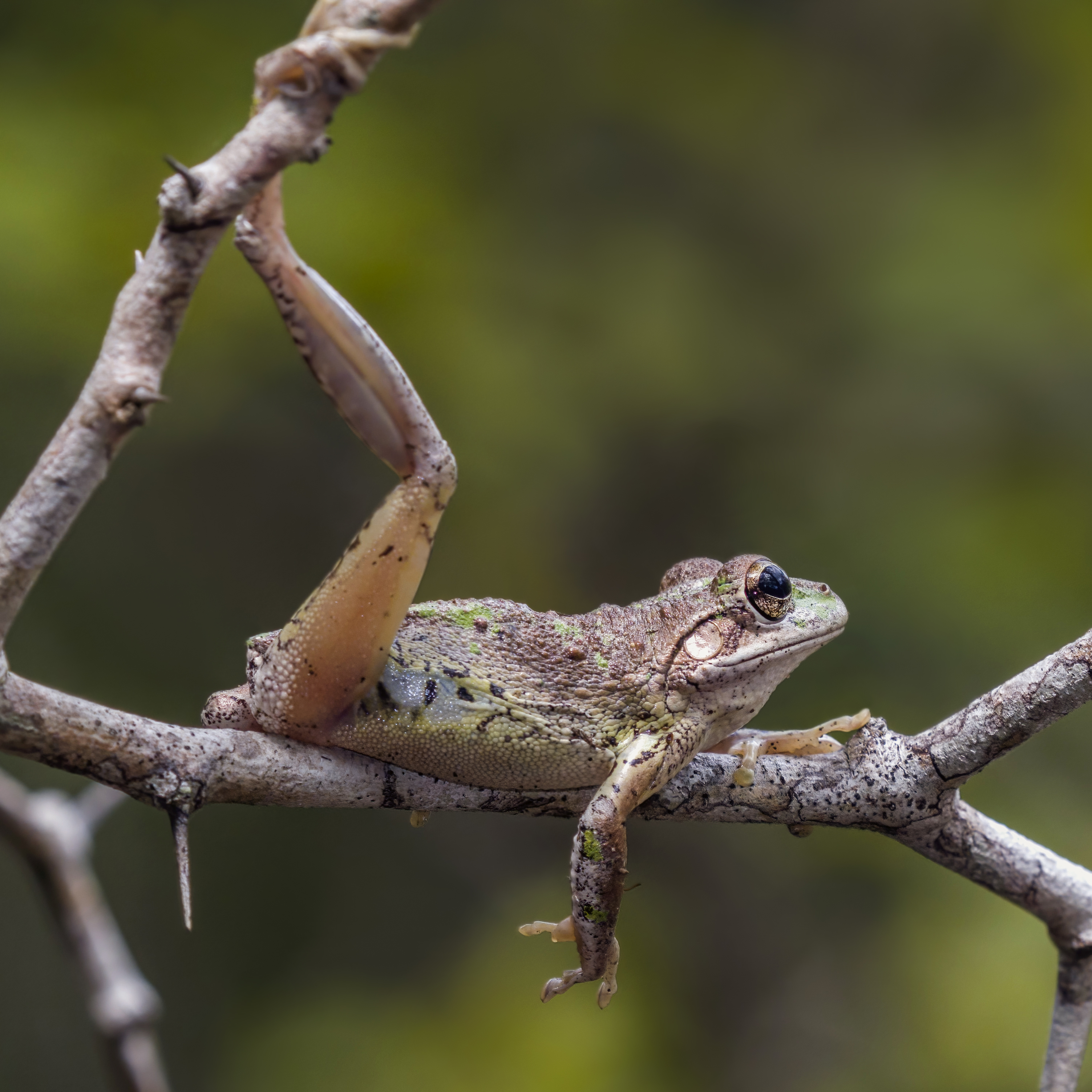
Cuban Treefrogs eat native frogs and sometimes enter plumbing, electrical equipment, and homes.
Cuban Treefrogs eat native frogs and sometimes enter plumbing, electrical equipment, and homes. Wear gloves, avoid touching your face, wash thoroughly, and confirm identification before control. FWC encourages humane removal of correctly identified Cuban Treefrogs. Never release them elsewhere.
Habitat:
Freshwater Wetlands, Urban and Residential Areas
Area / Range:
Central Florida, South Florida, Florida Keys
Diet:
Insects, spiders, native frogs, small lizards, and other small animals.
Behavior:
Hides in moist spaces by day and climbs walls and vegetation to hunt at night.
Day, Dawn, Dusk
Active Times:
Best time to see:
Observe from a respectful distance in suitable Florida habitat.
Florida Native Status:
Invasive
Conservation Status:
Established invasive species
Safety Level:
Use Gloves. Invasive Species
Safety Information:
Wear gloves, avoid touching your face, wash thoroughly, and confirm identification before control.
Benefits to Property:
Consumes many insects, though its invasive impacts outweigh this benefit.
Property Concerns:
Skin secretions irritate eyes and noses. Frogs enter homes and damage equipment.
Fun Fact:
Cuban Treefrogs eat native frogs and sometimes enter plumbing, electrical equipment, and homes.
Wildlife Laws:
FWC encourages humane removal of correctly identified Cuban Treefrogs. Never release them elsewhere.
Identification:
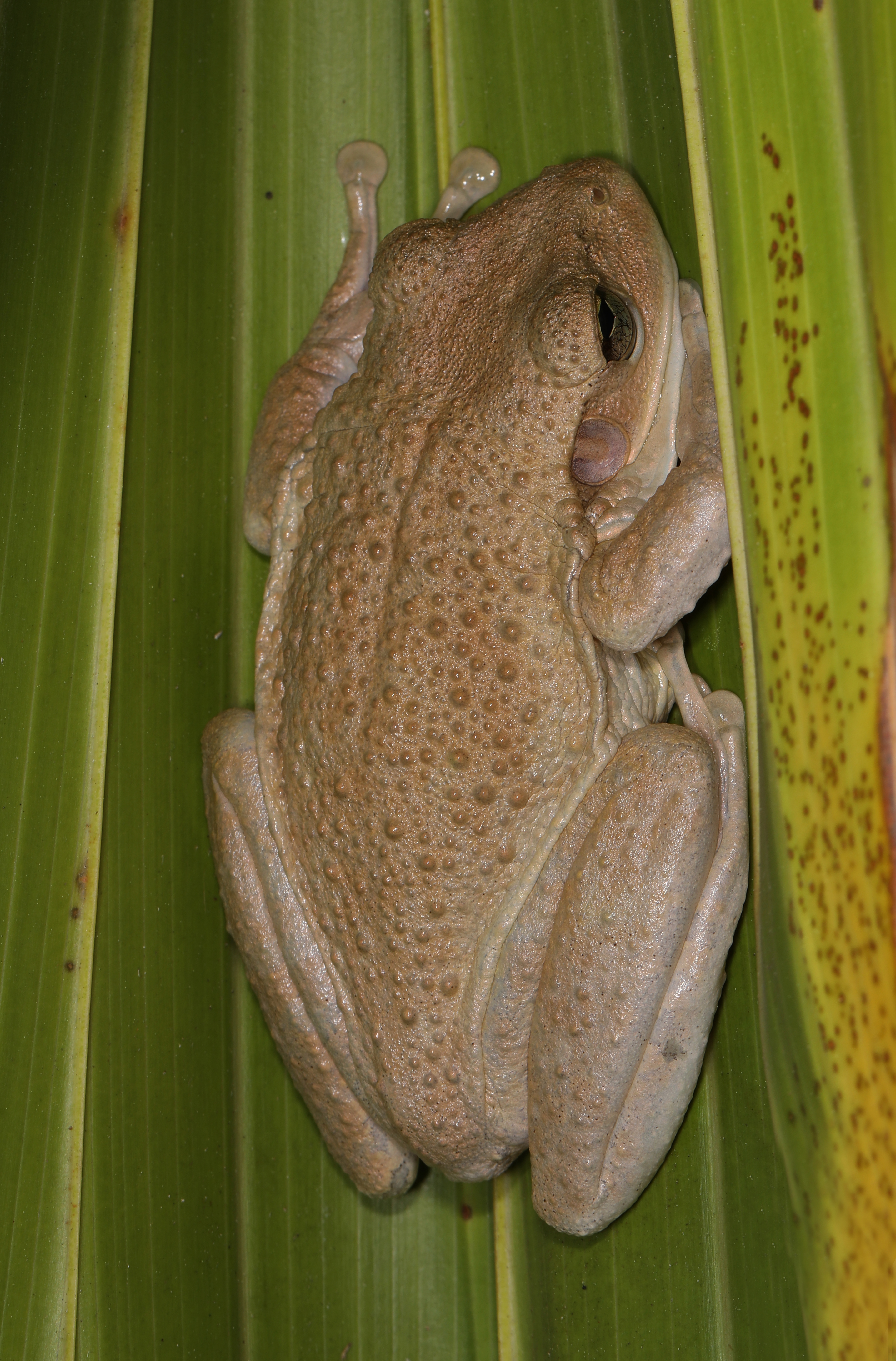
Large variable-colored treefrog with oversized toe pads, bumpy skin, and large eyes.
Credits:
Facts: wildlife reference. Images: Wikimedia Commons.