
Diamondback Terrapin
Malaclemys terrapin
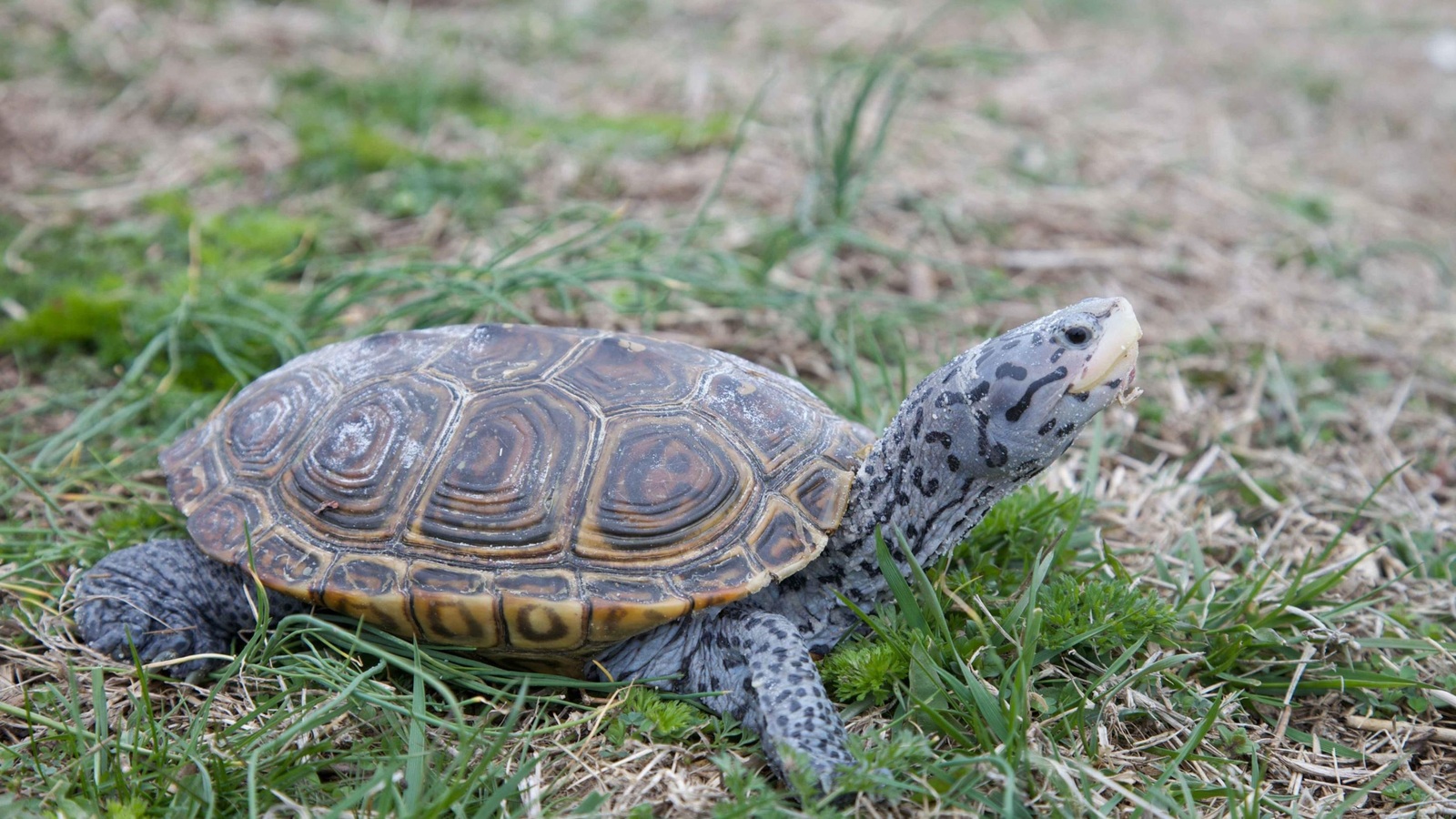
A patterned coastal turtle adapted to brackish marshes, mangroves, tidal creeks, and estuaries along both Florida coasts.
Diamondback Terrapins are the only North American turtles specialized for brackish coastal water. Florida supports several regional forms along Atlantic, Gulf, and Keys shorelines.
They feed in tidal creeks and marshes, then females move onto higher ground to nest. Crab traps, roads, shoreline hardening, and illegal collection create major risks.
Habitat:
Estuaries and Bays, Mangroves and Salt Marshes, Coastal Waters
Area / Range:
Florida Keys, Atlantic Coast, Gulf Coast
Diet:
Eats snails, small crabs, clams, worms, fish, and other coastal invertebrates.
Behavior:
Swims and feeds with the tides, basks near marsh edges, and nests on sandy uplands during warm months.
Daytime, Dawn and Dusk
Active Times:
Best time to see:
Warm daylight hours in quiet tidal creeks and marsh edges, especially around high tide.
Florida Native Status:
Native
Conservation Status:
Not federally listed; Florida prohibits take and possession because of conservation concerns.
Safety Level:
Low
Safety Information:
Do not handle, collect, or relocate terrapins. On roads, contact local wildlife authorities if assistance is needed.
Benefits to Property:
Consumes snails and small crustaceans and signals a functioning coastal marsh ecosystem.
Property Concerns:
Bulkheads, mowing, vehicles, and pets can destroy nesting habitat or nests near coastal properties.
Fun Fact:
- Special glands help it manage salt in brackish water.
- Females may be several times heavier than males.
- Its shell pattern varies widely among individuals.
Wildlife Laws:
Florida prohibits taking or possessing diamondback terrapins from the wild. Report illegal collection and follow current FWC guidance.
Identification:
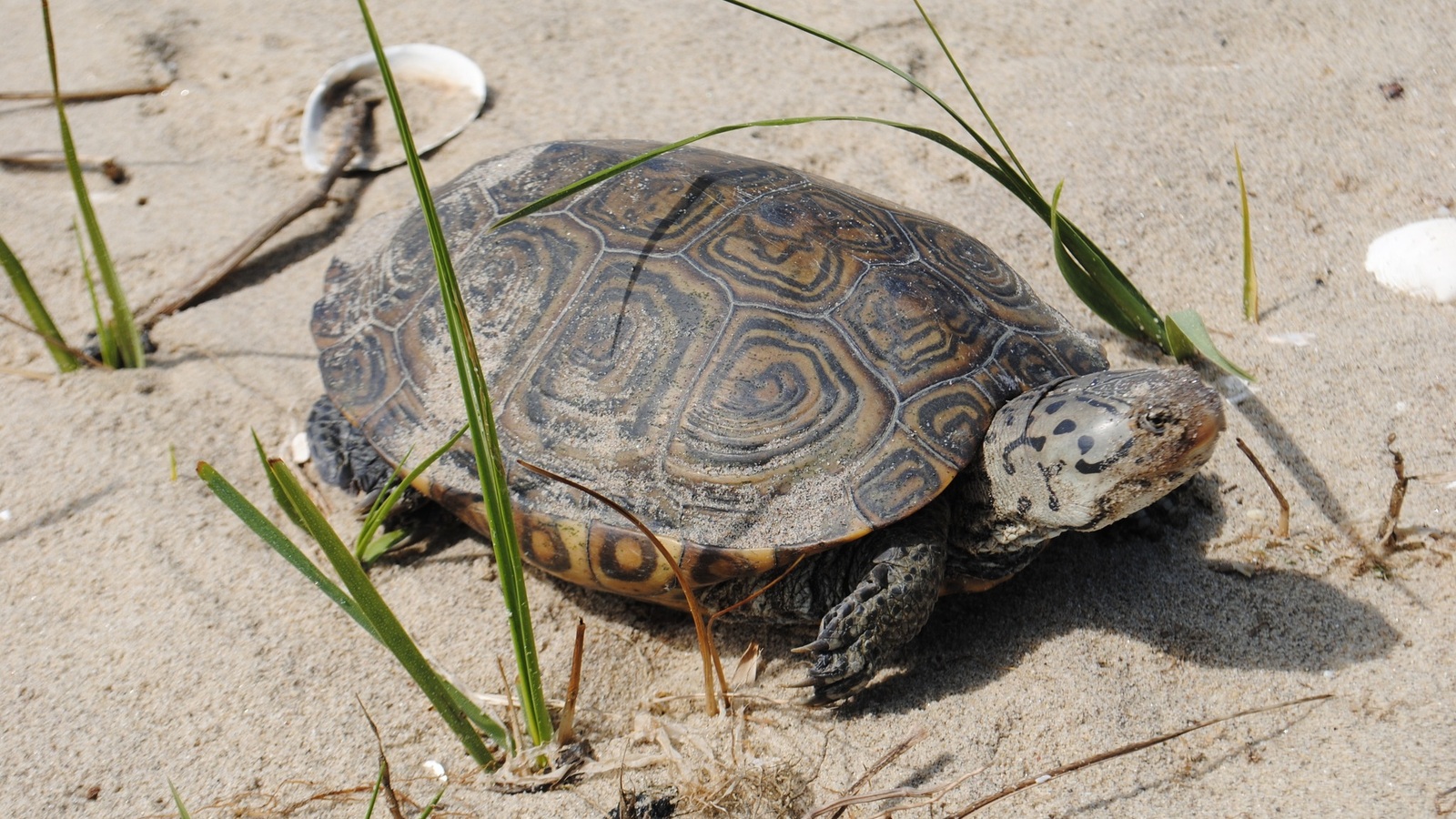
Concentric diamond-shaped scutes cover the shell. Skin ranges from pale gray to dark and carries black spots or markings. Females grow much larger than males.