
Eastern Coral Snake
Micrurus fulvius
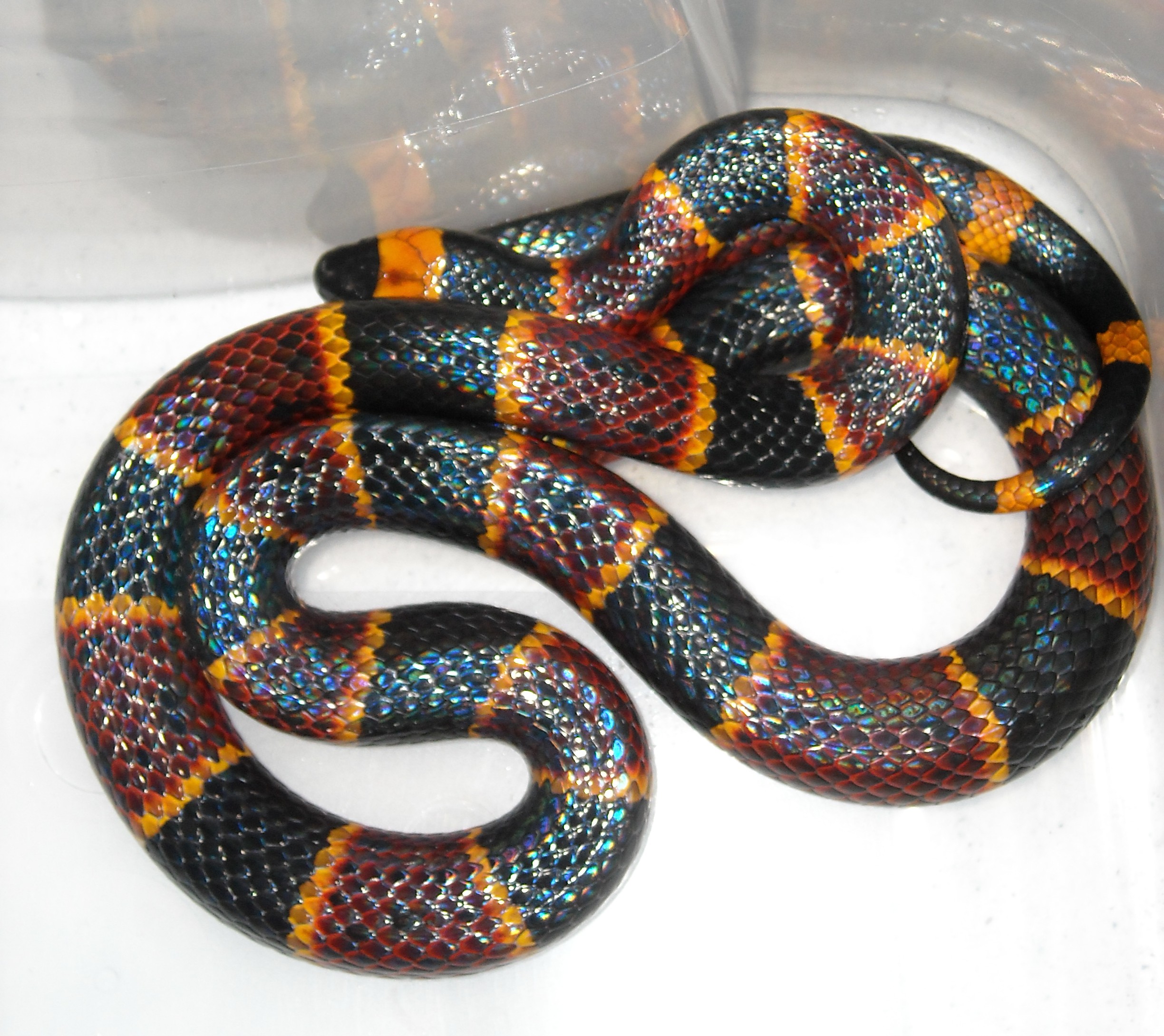
Eastern Coral Snake venom affects the nervous system and every suspected bite needs emergency care.
Eastern Coral Snake venom affects the nervous system and every suspected bite needs emergency care. Back away and leave it alone. Never rely only on color rhymes for identification. Call 911 after any bite. Protected lands have added restrictions. Wildlife control must follow Florida and local rules.
Habitat:
Pine Flatwoods and Sandhills, Scrub and Dry Prairie, Forests and Woodlands
Area / Range:
Statewide
Diet:
Small snakes, lizards, and other slender reptiles.
Behavior:
Secretive and often hidden beneath leaf litter, logs, or soil. Bites usually occur when handled.
Day, Dawn, Dusk
Active Times:
Best time to see:
Observe from a respectful distance in suitable Florida habitat.
Florida Native Status:
Native
Conservation Status:
Native venomous snake
Safety Level:
Highly Venomous. Never Handle
Safety Information:
Back away and leave it alone. Never rely only on color rhymes for identification. Call 911 after any bite.
Benefits to Property:
Controls small snakes and lizards within Florida ecosystems.
Property Concerns:
Its venom poses a serious medical risk, though the snake is shy and rarely seen.
Fun Fact:
Eastern Coral Snake venom affects the nervous system and every suspected bite needs emergency care.
Wildlife Laws:
Protected lands have added restrictions. Wildlife control must follow Florida and local rules.
Identification:
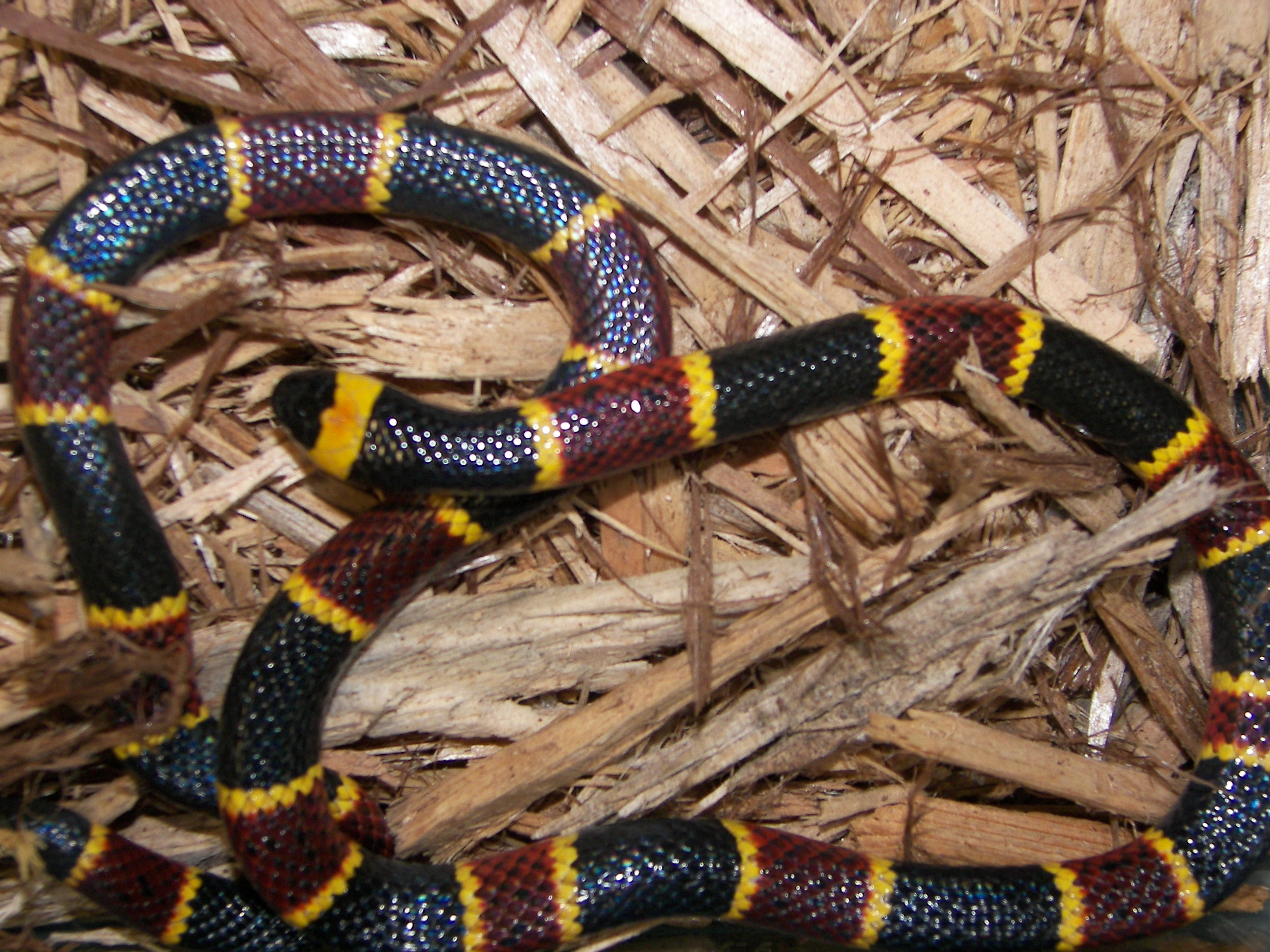
Slender snake with complete red, yellow, and black rings, a black snout, and small rounded head.
Credits:
Facts: wildlife reference. Images: Wikimedia Commons.