
Eastern Harvest Mouse
Reithrodontomys humulis
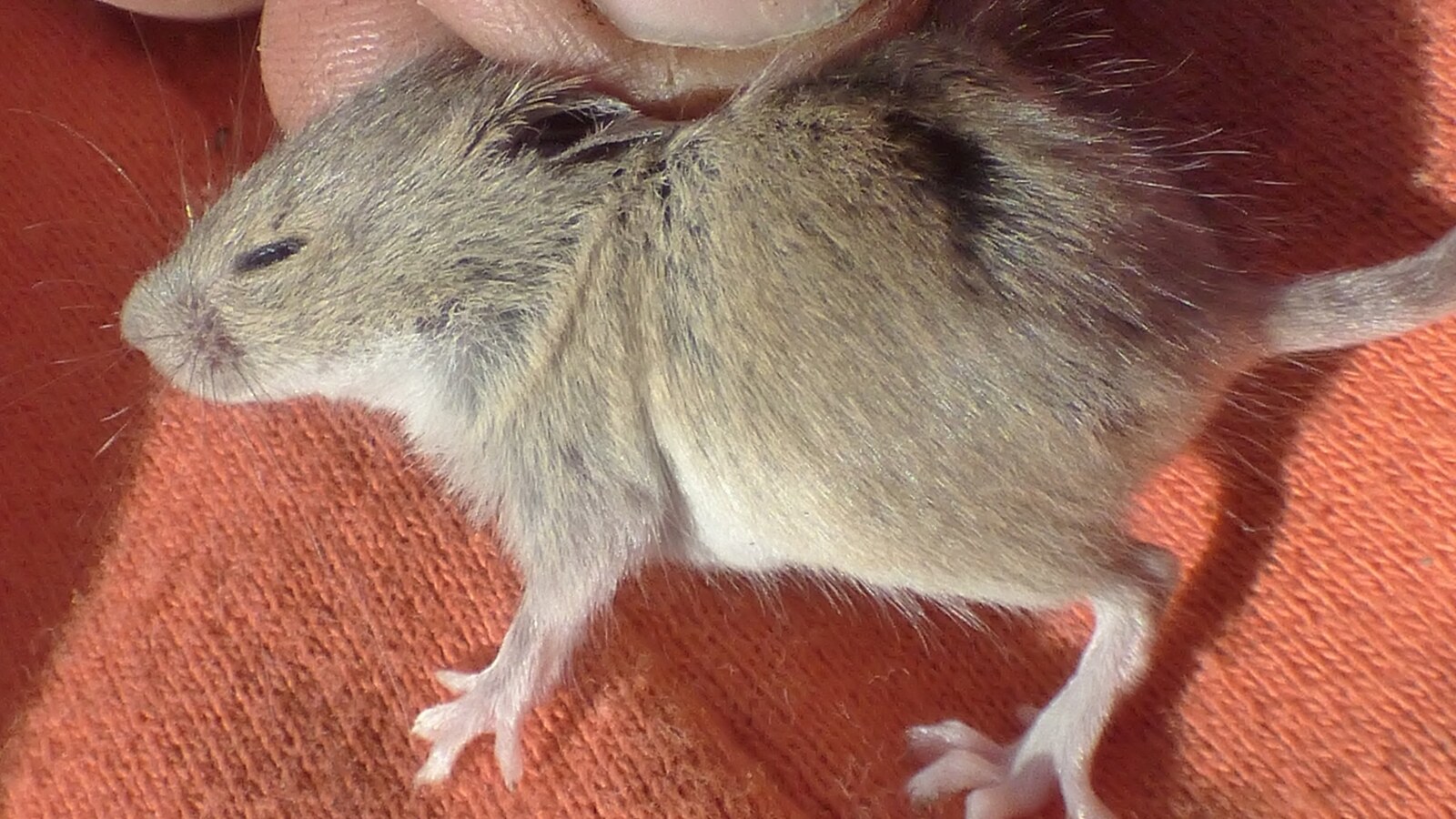
The Eastern Harvest Mouse is a tiny native rodent of grassy Florida fields, wet meadows, and open pine landscapes.
Eastern Harvest Mice use dense grasses, sedges, old fields, and open woodland edges where they build round nests above the ground or shelter near the soil surface.
They are quiet, nocturnal animals and often remain unnoticed even where populations are healthy.
Habitat:
Grasslands and Agricultural Areas, Pine Flatwoods and Sandhills, Freshwater Wetlands
Area / Range:
North Florida, Central Florida, South Florida
Diet:
Grass seeds, sedge seeds, grains, berries, and small insects.
Behavior:
Active mainly at night, it climbs through low vegetation and gathers seeds close to cover. Females build compact grass nests for their young.
Night, Dusk, Dawn
Active Times:
Best time to see:
After dark in unmowed grassy habitat, though tracks and nests are easier to find than the mouse itself.
Florida Native Status:
Native
Conservation Status:
Generally secure across its range, with local losses where dense native grass cover is removed.
Safety Level:
Low Risk
Safety Information:
Avoid handling wild rodents. Wear gloves when cleaning droppings and seal food and openings before using traps.
Benefits to Property:
Harvest mice move seeds, feed native owls and snakes, and contribute to grassland food webs.
Property Concerns:
They occasionally enter sheds or garages. Exclusion and food storage solve most conflicts without poison.
Fun Fact:
The genus name refers to its grooved upper incisors, a feature shared by harvest mice.
Wildlife Laws:
Native wildlife must not be taken, transported, or kept contrary to Florida rules. Use humane exclusion and legal control methods around structures.
Identification:
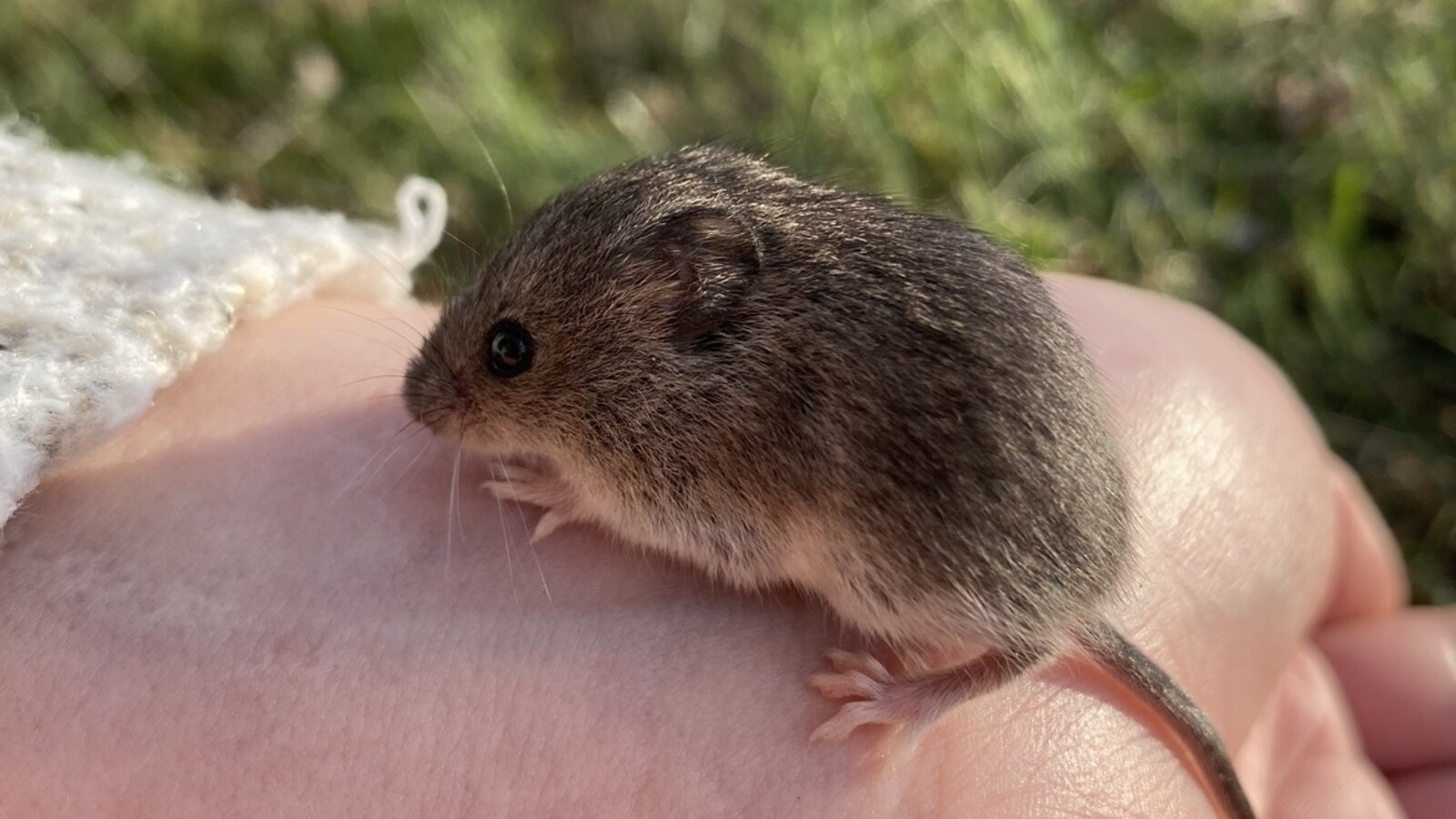
This small mouse has brown to gray-brown fur, a pale belly, large dark eyes, small rounded ears, and a long slender tail. A shallow groove runs down the front of each upper incisor.
Credits:
Facts and photos: iNaturalist Eastern Harvest Mouse. Wildlife rules: Florida Fish and Wildlife Conservation Commission.