
Everglades Pygmy Sunfish
Elassoma evergladei
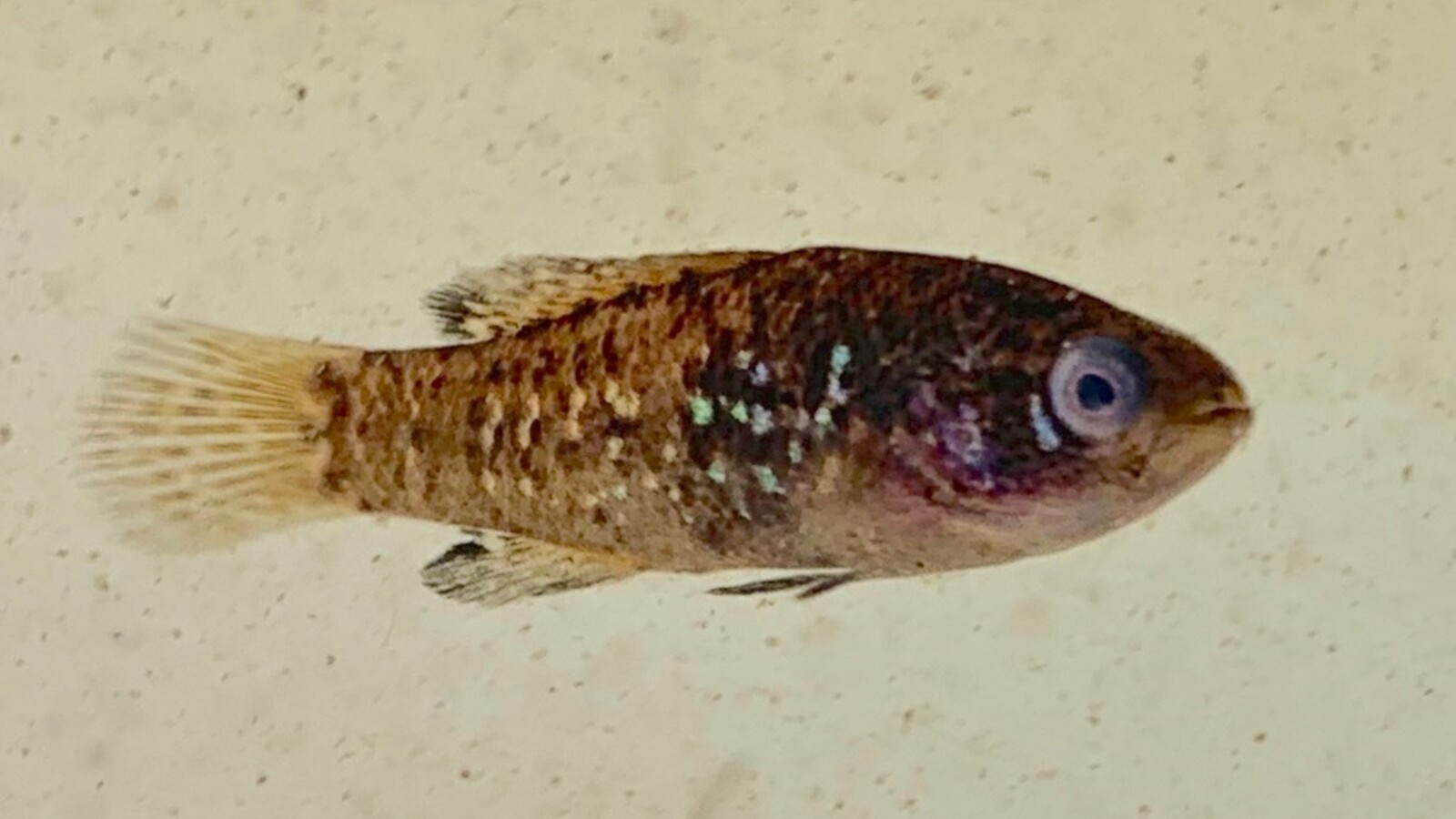
The Everglades Pygmy Sunfish is a tiny native fish that lives deep inside dense vegetation in Florida marshes, ponds, and slow canals.
This miniature fish occupies shallow, heavily vegetated freshwater habitats with little current. Its small size lets it move through plant stems that shelter it from larger predators.
Breeding males become dark blue-black with iridescent blue spots. Maintaining native aquatic plants is critical for feeding and reproduction.
Habitat:
Freshwater Wetlands, Lakes and Ponds, Canals and Ditches
Area / Range:
Central Florida, South Florida
Diet:
It eats microscopic crustaceans, insect larvae, worms, and other tiny aquatic animals.
Behavior:
These fish move slowly through dense plants, pick small prey from leaves, and perform close-range courtship displays.
Day, Dawn, Dusk
Active Times:
Best time to see:
In clear, shallow, heavily vegetated wetlands and quiet canal edges, though its tiny size makes detection difficult.
Florida Native Status:
Native
Conservation Status:
Locally secure but dependent on clean, plant-rich shallow water. Wetland drainage and broad herbicide use reduce habitat.
Safety Level:
Low Risk
Safety Information:
Harmless to people and pets. Avoid collecting or moving fish without checking current FWC rules.
Benefits to Property:
It consumes tiny aquatic invertebrates and forms part of the food web supporting larger fish and wading birds.
Property Concerns:
It causes no property damage. Complete vegetation removal and chemical runoff are the main property-related risks.
Fun Fact:
An adult is small enough to rest comfortably on a quarter, making it one of Florida's smallest native fishes.
Wildlife Laws:
Freshwater fish collection is regulated by FWC. A fishing license, gear limits, and protected-area rules may apply.
Identification:
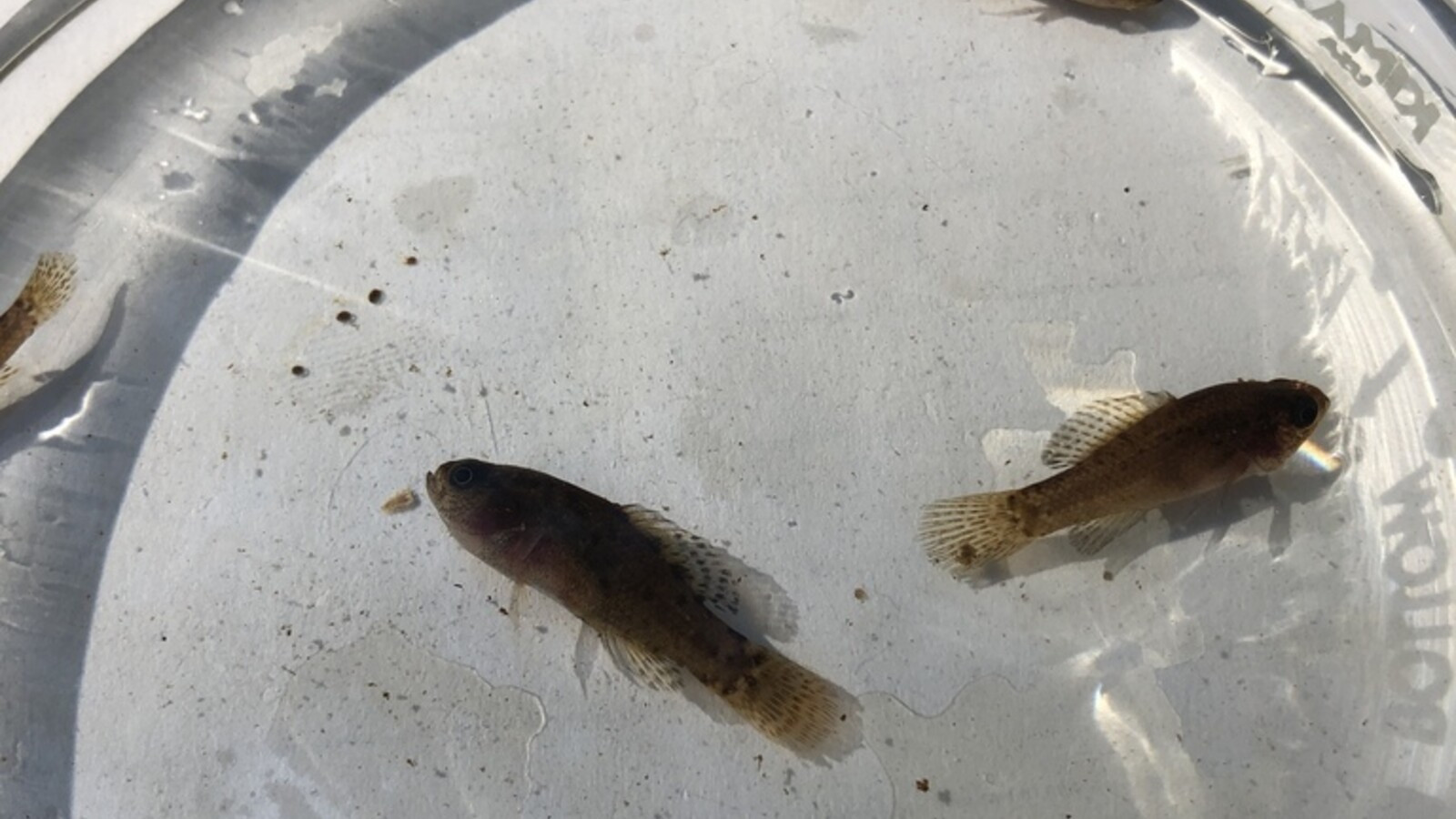
Look for a very small, laterally compressed fish with rounded fins and mottled brown color in females and young. Adult breeding males are dark with bright blue or turquoise spotting.