
Florida Bonneted Bat
Eumops floridanus
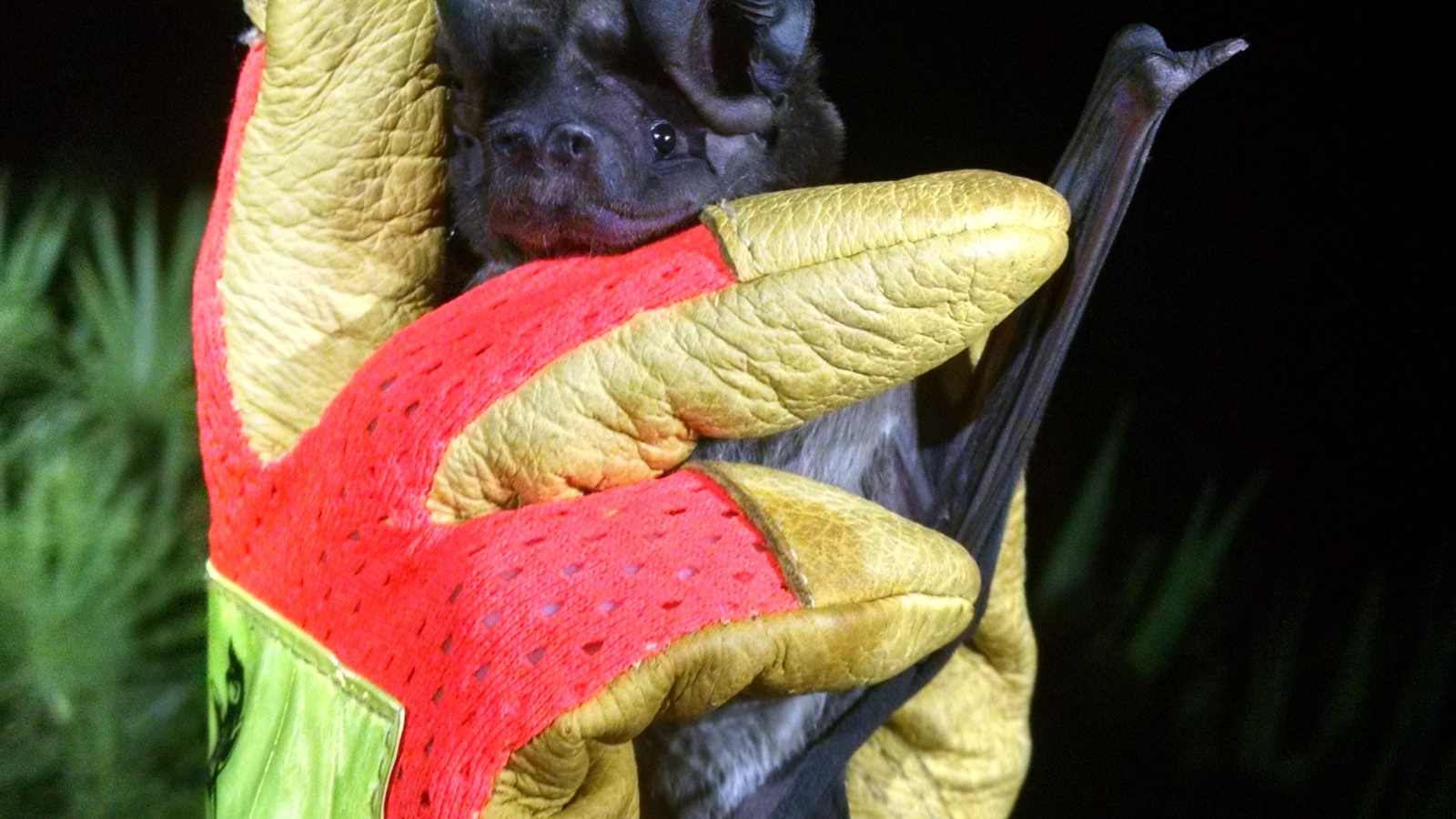
Florida’s largest native bat and a federally endangered South Florida specialist with broad ears that meet across the forehead.
The Florida Bonneted Bat occurs only in southern Florida and is one of the rarest bats in North America. It roosts in tree cavities, buildings, utility structures, and purpose-built bat houses.
It emerges after sunset and flies high over wetlands, neighborhoods, and open forest while catching insects. Protecting roosts and dark flight corridors is essential.
Habitat:
Freshwater Wetlands, Pine Flatwoods and Sandhills, Urban and Residential Areas
Area / Range:
South Florida
Diet:
Feeds on flying insects, including beetles, moths, flies, and true bugs captured high above the ground.
Behavior:
Roosts in small groups and becomes active after sunset. Its low-frequency calls are sometimes audible to people.
Nighttime, Dawn and Dusk
Active Times:
Best time to see:
Warm evenings shortly after sunset near known roosts and open wetland edges.
Florida Native Status:
Native
Conservation Status:
Federally Endangered; threatened by limited range, roost loss, storms, development, and pesticide exposure.
Safety Level:
Moderate
Safety Information:
Never handle a bat. Keep people and pets away, close interior doors if one enters a building, and contact a trained wildlife professional.
Benefits to Property:
Consumes night-flying insects and supports South Florida biodiversity.
Property Concerns:
Roosts in buildings require careful exclusion outside maternity periods and in compliance with bat-protection rules. Do not seal an occupied opening.
Fun Fact:
- It is found nowhere outside southern Florida.
- It is Florida’s largest bat.
- Its bonnet-like ears give the species its common name.
Wildlife Laws:
Protected by the federal Endangered Species Act and Florida law. Harassing, harming, capturing, or destroying occupied roosts is prohibited without authorization.
Identification:
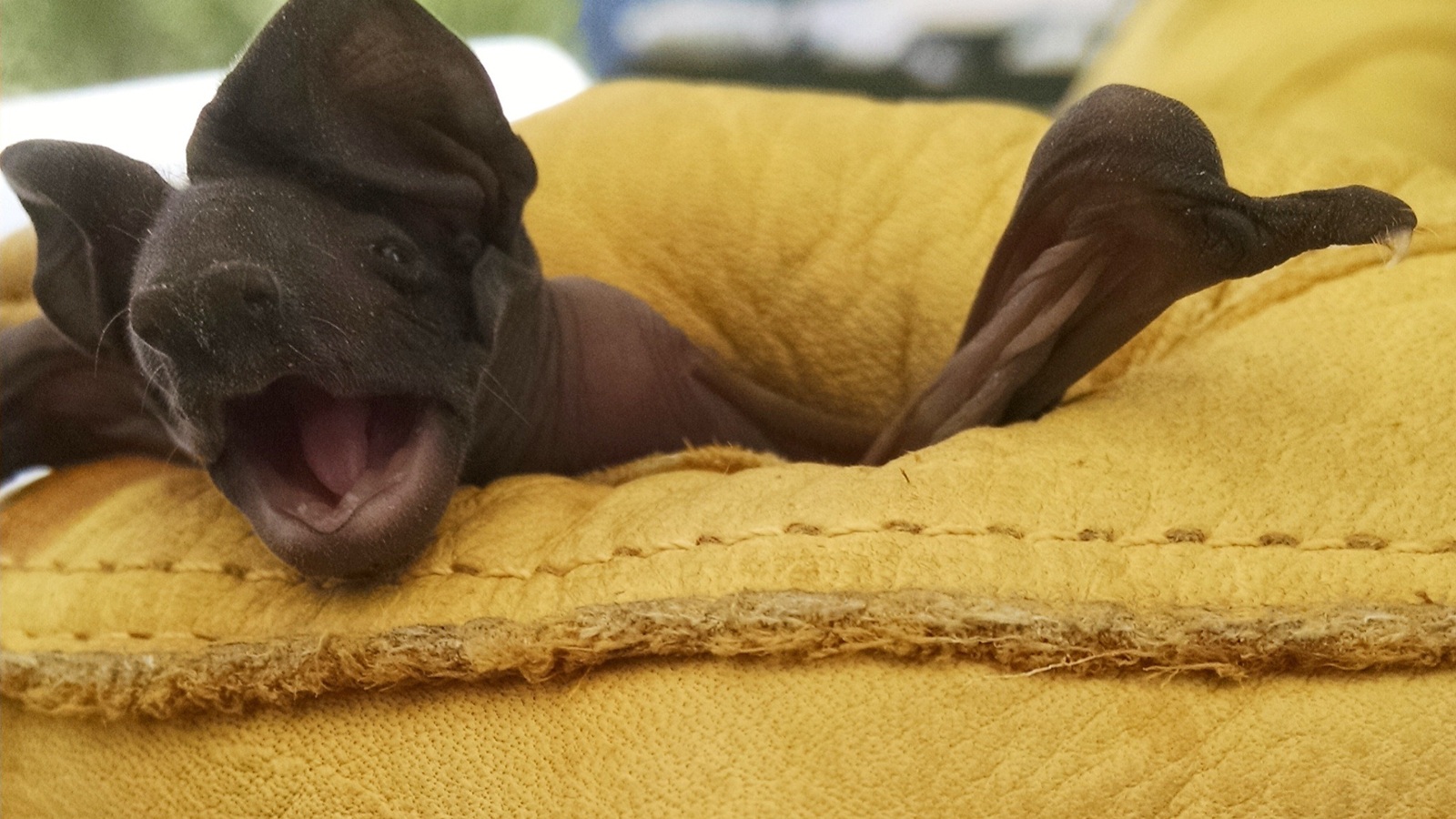
Large dark brown bat with broad forward-facing ears joined across the forehead, a free tail extending beyond the tail membrane, and long narrow wings.