
Florida Brownsnake
Storeria victa
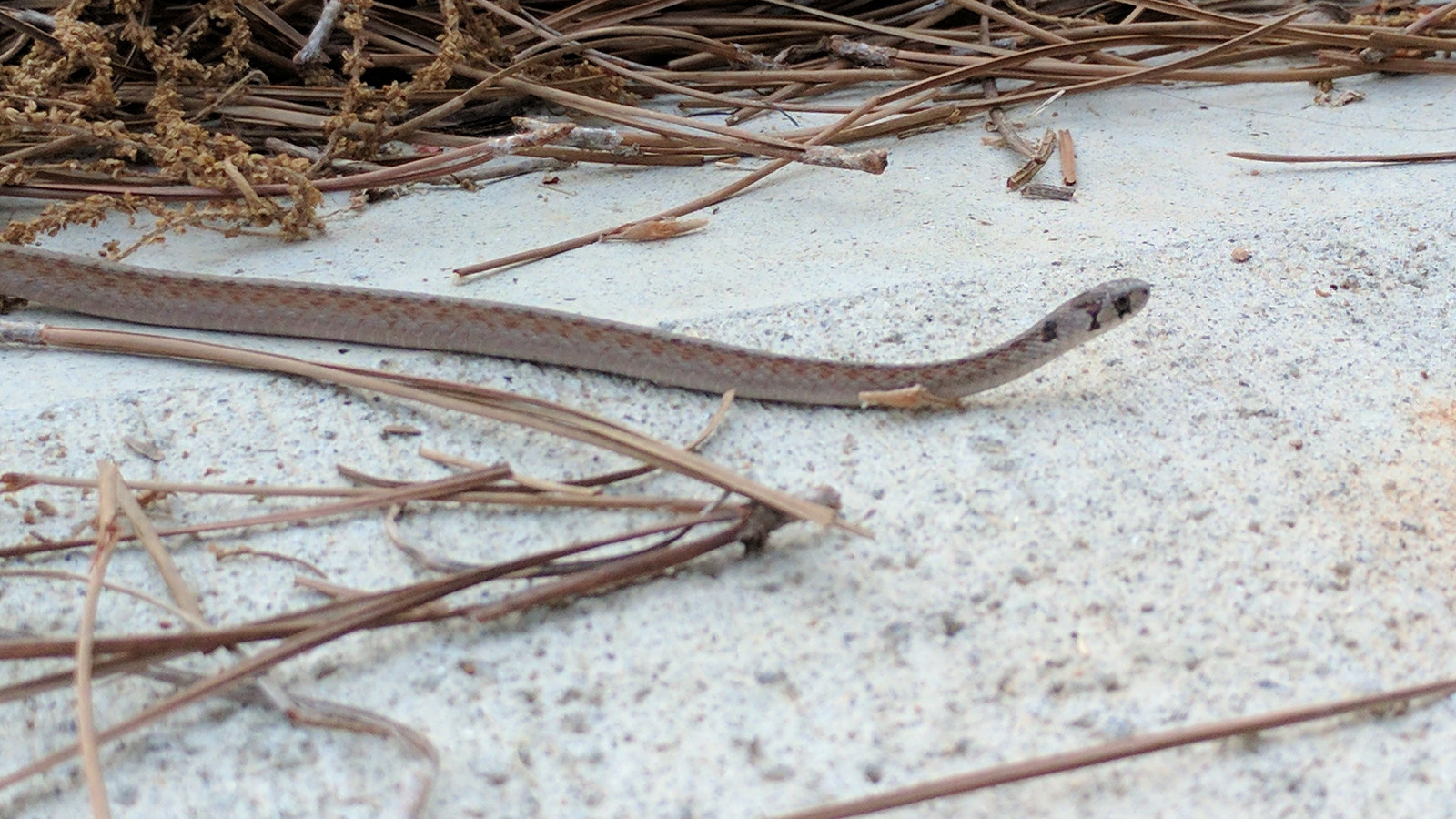
A tiny, harmless peninsular Florida snake that hides beneath mulch, leaves, logs, and garden debris while hunting soft-bodied prey.
Florida Brownsnakes are small, secretive snakes found through much of peninsular Florida. They thrive in moist natural areas and shaded residential landscapes with leaf litter and ground cover.
Most encounters occur while moving pots, mulch, boards, or debris. Their size and gentle nature make them harmless neighbors that help control slugs and other soft-bodied pests.
Habitat:
Freshwater Wetlands, Forests and Woodlands, Urban and Residential Areas
Area / Range:
Central Florida, South Florida, Florida Keys
Diet:
Feeds mainly on slugs, snails, earthworms, and small soft-bodied invertebrates.
Behavior:
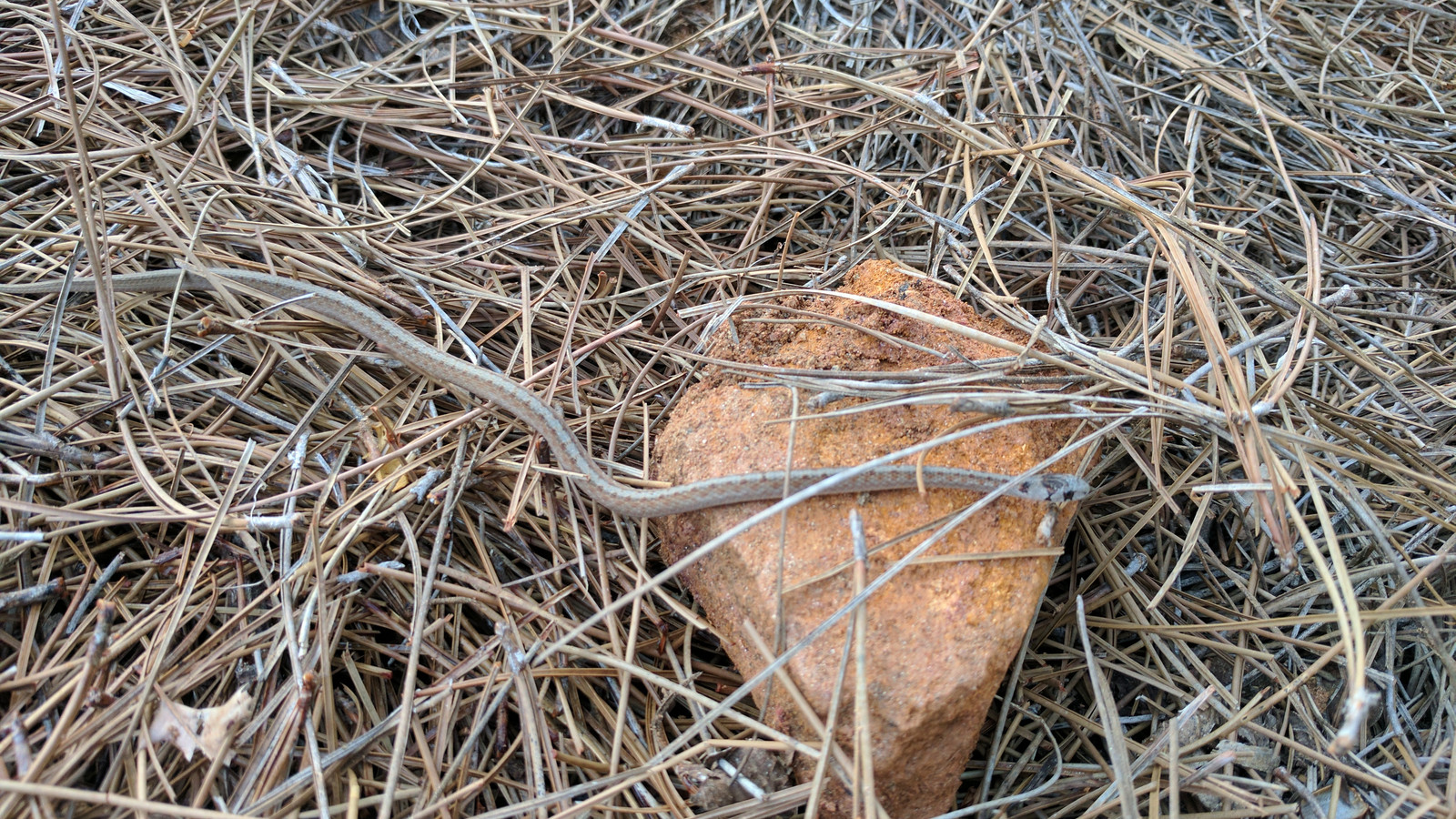
Secretive and primarily nocturnal. It spends most of its time under leaf litter, logs, mulch, stones, flowerpots, and other cool cover.
Nighttime, Dawn and Dusk
Active Times:
Best time to see:
Warm, damp evenings or after rain when moving mulch, pots, or natural debris in shaded areas.
Florida Native Status:
Native
Conservation Status:
Not federally or state listed; common where moist ground cover and leaf litter remain available.
Safety Level:
Low
Safety Information:
Nonvenomous and harmless to people and pets. Leave it in place or gently guide it toward nearby cover without handling.
Benefits to Property:
Consumes slugs, snails, and small invertebrates that damage garden plants.
Property Concerns:
No structural or landscape damage. Individuals sometimes enter garages, lanais, or pool areas while seeking cool shelter.
Fun Fact:
- It gives birth to live young rather than laying eggs.
- Its small jaw is adapted for worms and slugs.
- Many homeowners mistake it for a juvenile of a larger snake.
Wildlife Laws:
Native snakes are part of Florida’s nongame wildlife. Do not kill, harass, or collect wildlife where local rules, protected lands, or permits restrict those actions.
Identification:
Small brown or gray snake with a lighter stripe along the back, paired rows of dark spots, keeled scales, and a pale belly. The head is only slightly wider than the neck.