
Florida Chorus Frog
Pseudacris nigrita verrucosa
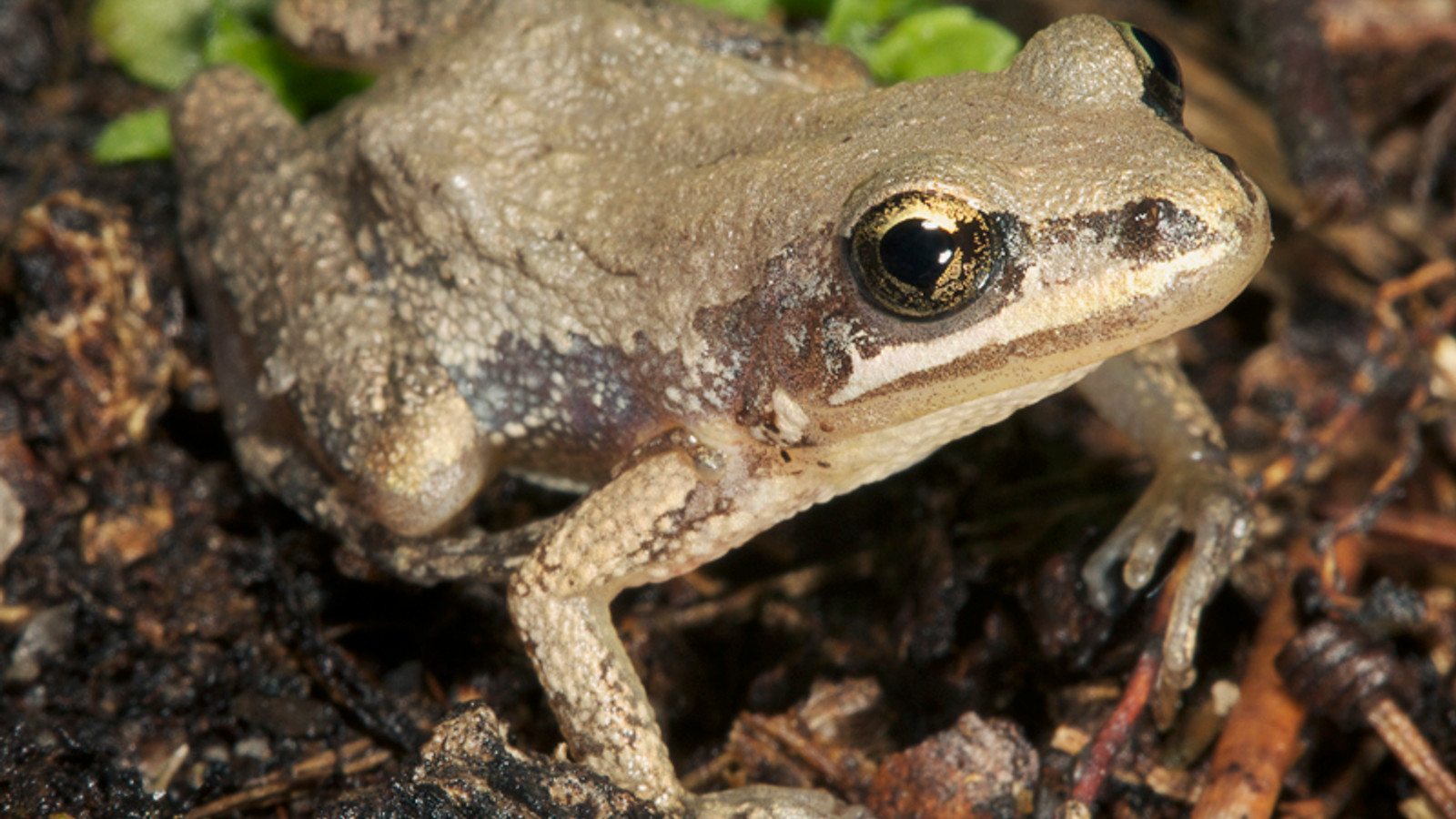
A small, camouflaged chorus frog heard from shallow temporary wetlands during Florida’s cooler breeding season.
This small chorus frog uses wet prairies, pine flatwoods, ditches, and temporary pools. Its rough, rasping call carries farther than the frog’s tiny body suggests.
Temporary wetlands without predatory fish provide important breeding habitat. Shallow seasonal water, native grasses, and pesticide-free edges support its life cycle.
Habitat:
Freshwater Wetlands, Canals and Ditches, Grasslands and Agricultural Areas, Pine Flatwoods and Sandhills
Area / Range:
Statewide
Diet:
Eats tiny insects, spiders, mites, and other small invertebrates found in grass, leaf litter, and wetland edges.
Behavior:
Secretive outside breeding periods. Males call from shallow grassy water after rain while adults hide in vegetation.
Dawn and Dusk, Nighttime
Active Times:
Best time to see:
Listen after rain from late fall through early spring near temporary wetlands and grassy ditches.
Florida Native Status:
Native
Conservation Status:
Not federally listed; vulnerable locally to wetland drainage, development, and pesticide exposure.
Safety Level:
Low
Safety Information:
Do not handle frogs with dry or chemical-covered hands. Keep pets and lawn treatments away from breeding pools.
Benefits to Property:
Consumes small insects and indicates functional seasonal wetlands with low chemical exposure.
Property Concerns:
Creates no meaningful damage. Calling males may be loud briefly after rain, and drainage removes breeding habitat.
Fun Fact:
- The call resembles a thumb drawn across a comb.
- Temporary pools reduce fish predation.
- Color varies among individuals.
Wildlife Laws:
Collection, sale, or possession must follow current FWC regulations, protected-land rules, and landowner permissions.
Identification:
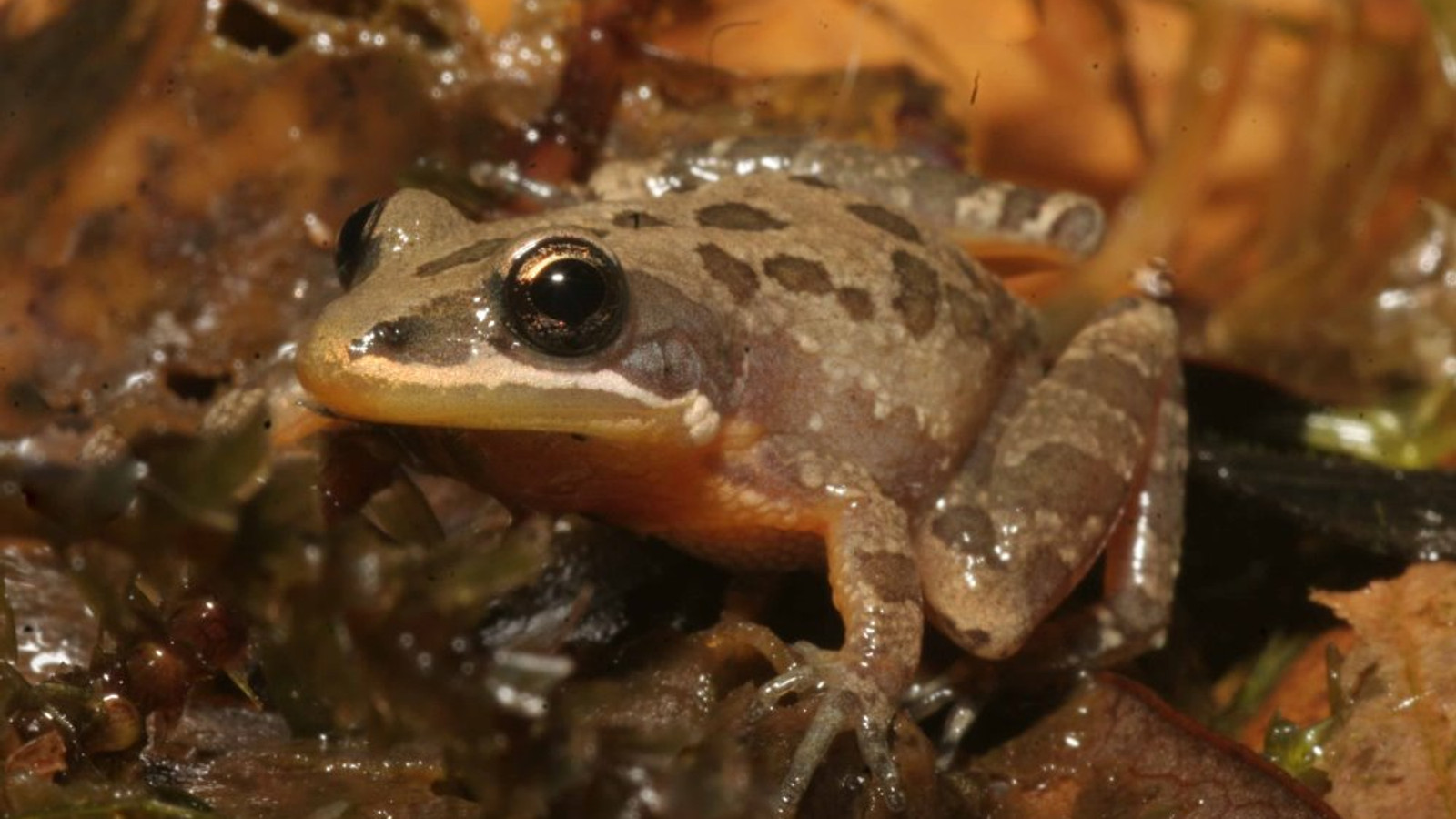
Small gray, tan, or brown frog with a pointed snout, dark eye stripe, darker back stripes or spots, and slightly granular skin.