
Florida Flagfish
Jordanella floridae
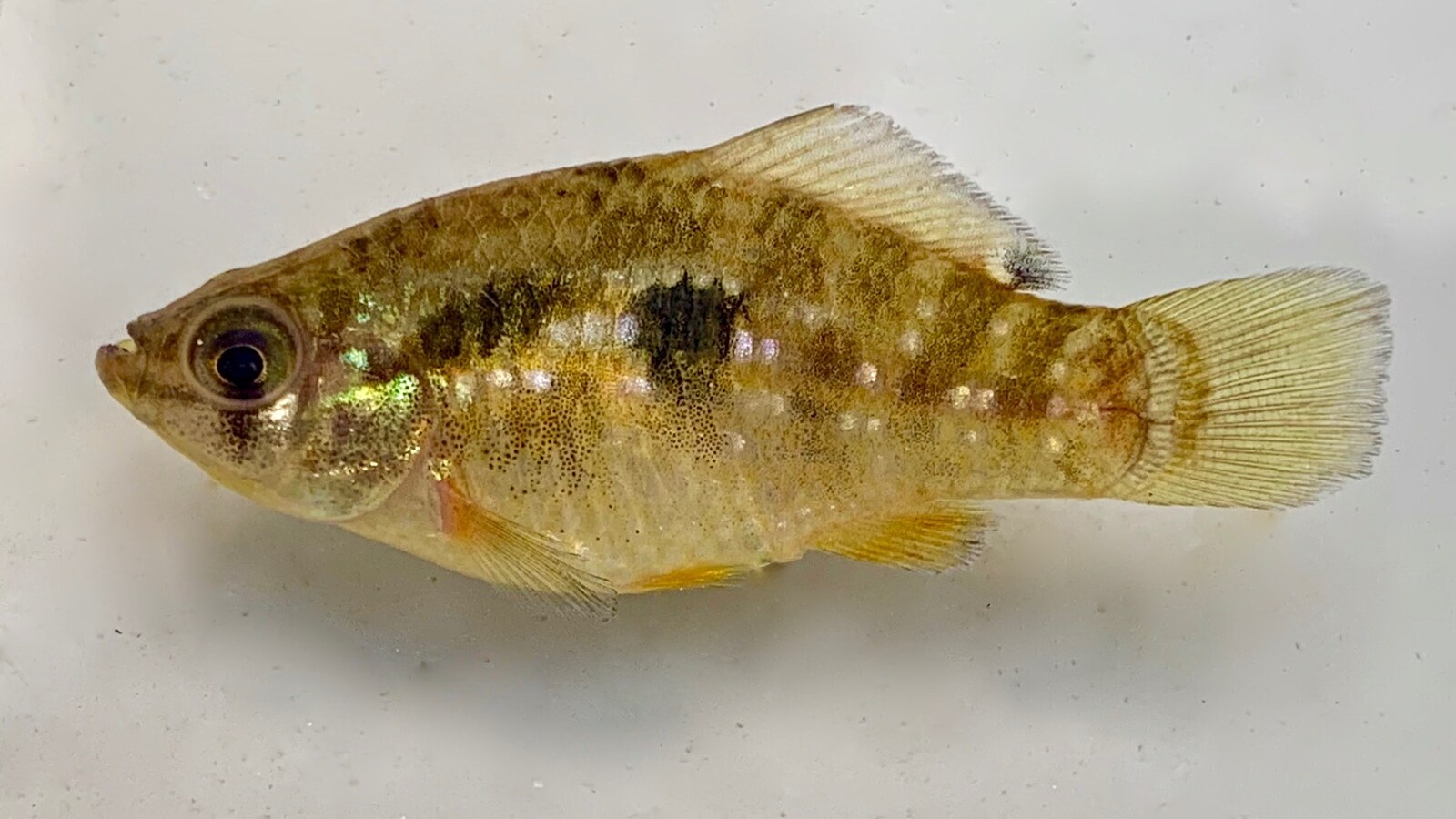
The Florida Flagfish is a small native freshwater fish known for bold breeding colors and its appetite for algae.
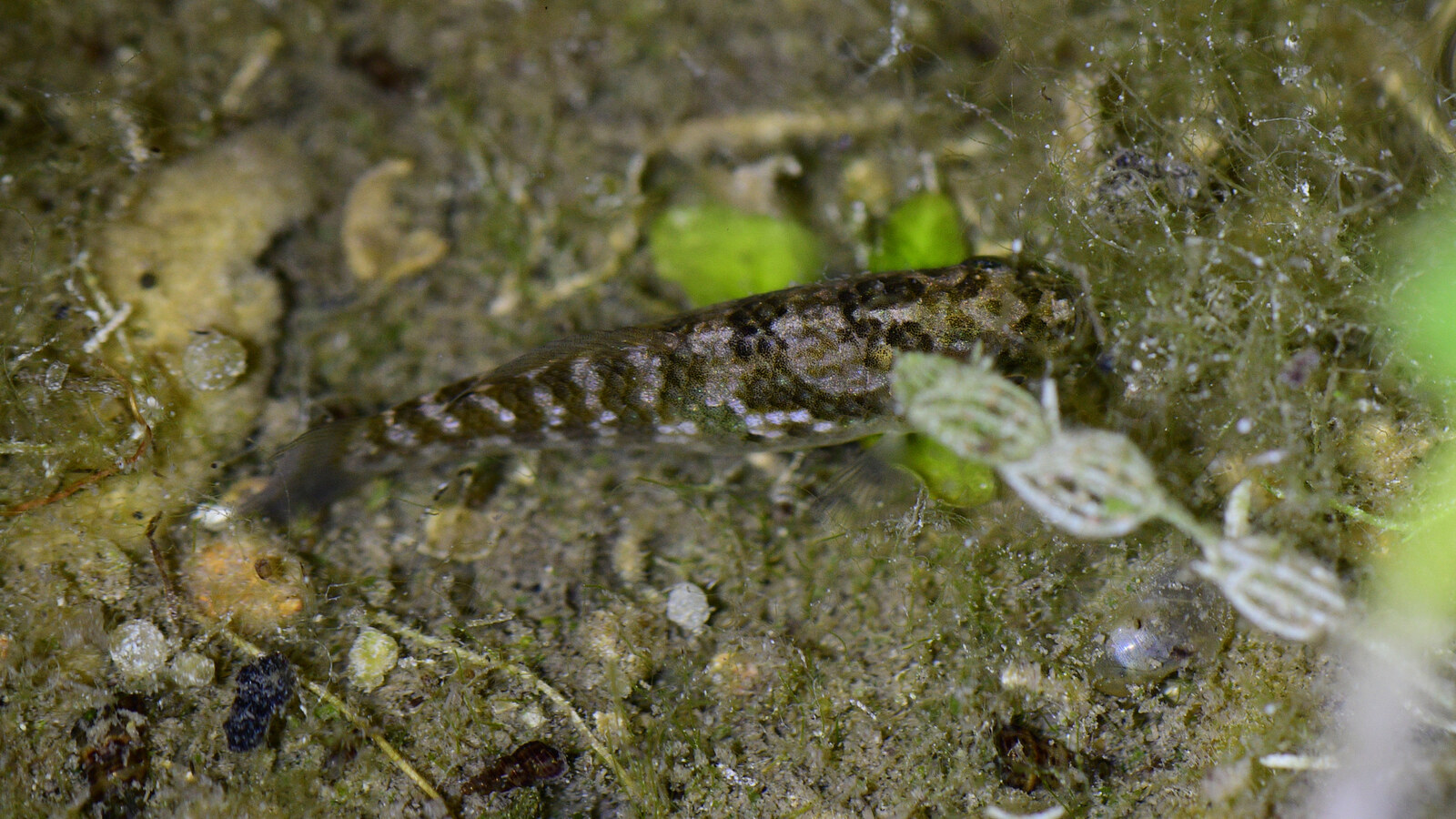
Florida Flagfish live in shallow vegetated marshes, ponds, canals, and slow streams across much of the state.
They tolerate warm water and low oxygen better than many fish, but healthy aquatic plants and clean shallow edges remain important.
Habitat:
Freshwater Wetlands, Lakes and Ponds, Canals and Ditches, Rivers and Springs
Area / Range:
Statewide
Diet:
Algae, plant material, insect larvae, small crustaceans, worms, and other tiny aquatic organisms.
Behavior:
They graze surfaces in shallow cover. Males defend small breeding areas, and adults deposit eggs among plants or on the bottom.
Day, Dawn, Dusk
Active Times:
Best time to see:
Daylight in clear shallow water with submerged plants and open edges.
Florida Native Status:
Native
Conservation Status:
Widespread in suitable Florida freshwater habitat and generally secure.
Safety Level:
Low Risk
Safety Information:
Harmless. Avoid releasing aquarium fish or moving wild fish between water bodies.
Benefits to Property:
They graze algae and consume mosquito larvae and other small aquatic invertebrates in natural ponds.
Property Concerns:
No direct property damage. Pond chemicals, invasive fish, and aggressive vegetation removal reduce populations.
Fun Fact:
The male's red and pale stripes inspired the name American Flagfish.
Wildlife Laws:
Collection, possession, transport, and release must follow current Florida freshwater fishing and nonnative species rules. Never release aquarium stock.
Identification:
A deep-bodied fish with olive or brown sides, a dark central spot, and rows of red markings. Breeding males show stronger red, blue, green, and cream colors.
Credits:
Facts and photos: iNaturalist Florida Flagfish. Fishing rules: Florida FWC.