
Florida Grasshopper Sparrow
Ammodramus savannarum floridanus
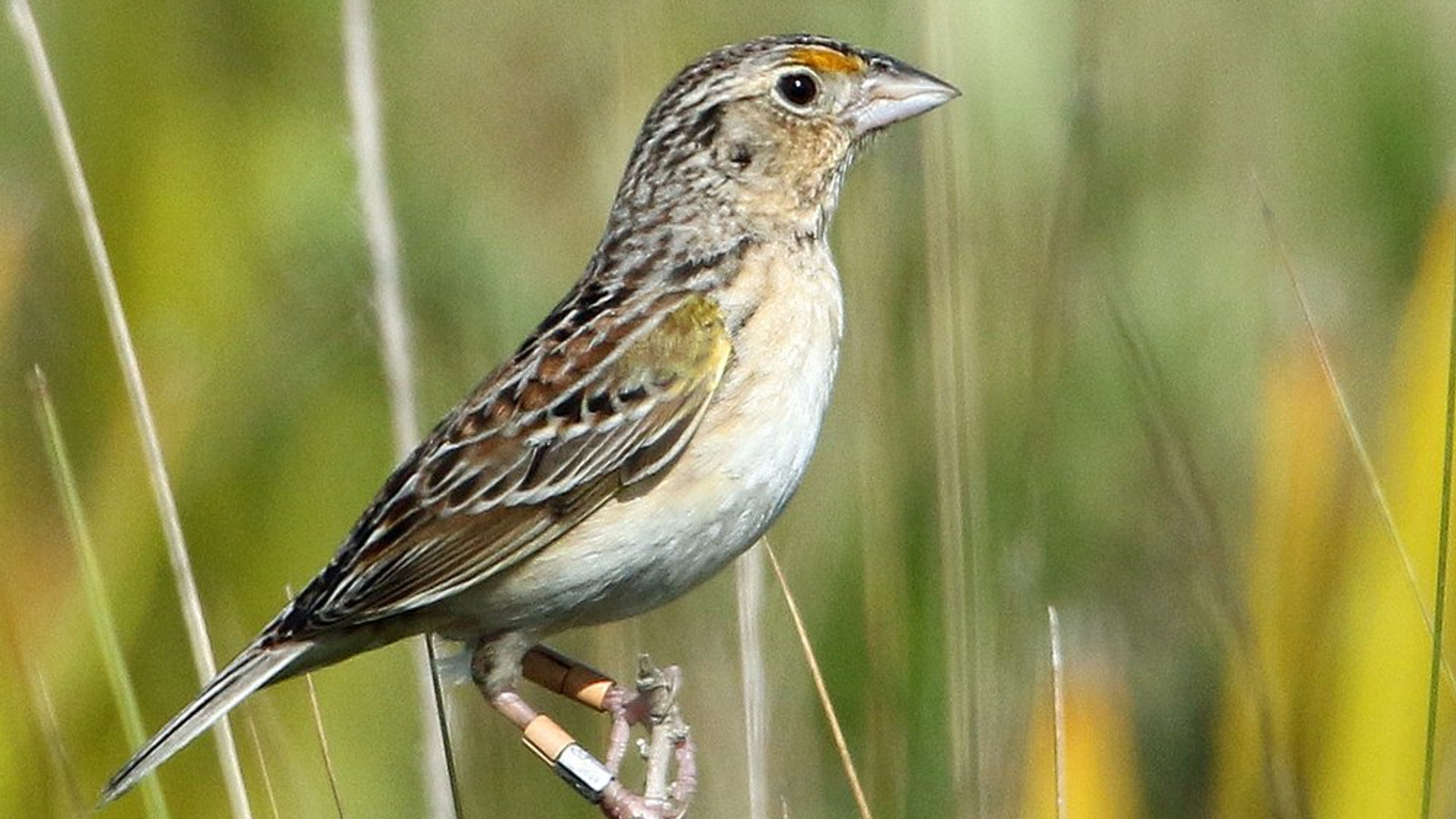
A small, secretive Florida prairie bird whose insect-like song carries across open dry grasslands.
The Florida Grasshopper Sparrow is a nonmigratory subspecies found only in Florida. It depends on large, frequently burned dry prairies with low shrubs and scattered bunchgrasses.
Most activity occurs close to the ground, where the sparrow walks through vegetation, nests in grass, and sings from short perches during the breeding season.
Habitat:
Scrub and Dry Prairie, Grasslands and Agricultural Areas
Area / Range:
Central Florida, South Florida
Diet:
Feeds mainly on grasshoppers, beetles, spiders, and other small invertebrates, with seeds added outside the breeding season.
Behavior:
Stays low in prairie cover, runs between grass clumps, and gives a soft buzzing song from low stems. Pairs nest on the ground beneath arching vegetation.
Dawn and Dusk, Daytime
Active Times:
Best time to see:
Early spring and summer mornings in protected dry prairie after listening for its grasshopper-like song.
Florida Native Status:
Native; Florida endemic subspecies
Conservation Status:
Federally endangered and protected as an imperiled Florida bird.
Safety Level:
Low
Safety Information:
Harmless to people and pets. Observe from established routes and avoid entering nesting prairie during the breeding season.
Benefits to Property:
Consumes insects and adds ecological value to properly managed native prairie habitat.
Property Concerns:
None for normal residential property. Suitable habitat requires large connected prairies, prescribed fire, and careful seasonal management.
Fun Fact:
- It occurs nowhere outside Florida.
- Its song sounds more like an insect than a typical sparrow.
- Conservation breeding has supported recovery work.
Wildlife Laws:
Protected by the federal Endangered Species Act and Migratory Bird Treaty Act. Harassing birds, disturbing nests, or altering occupied habitat without authorization is prohibited.
Identification:
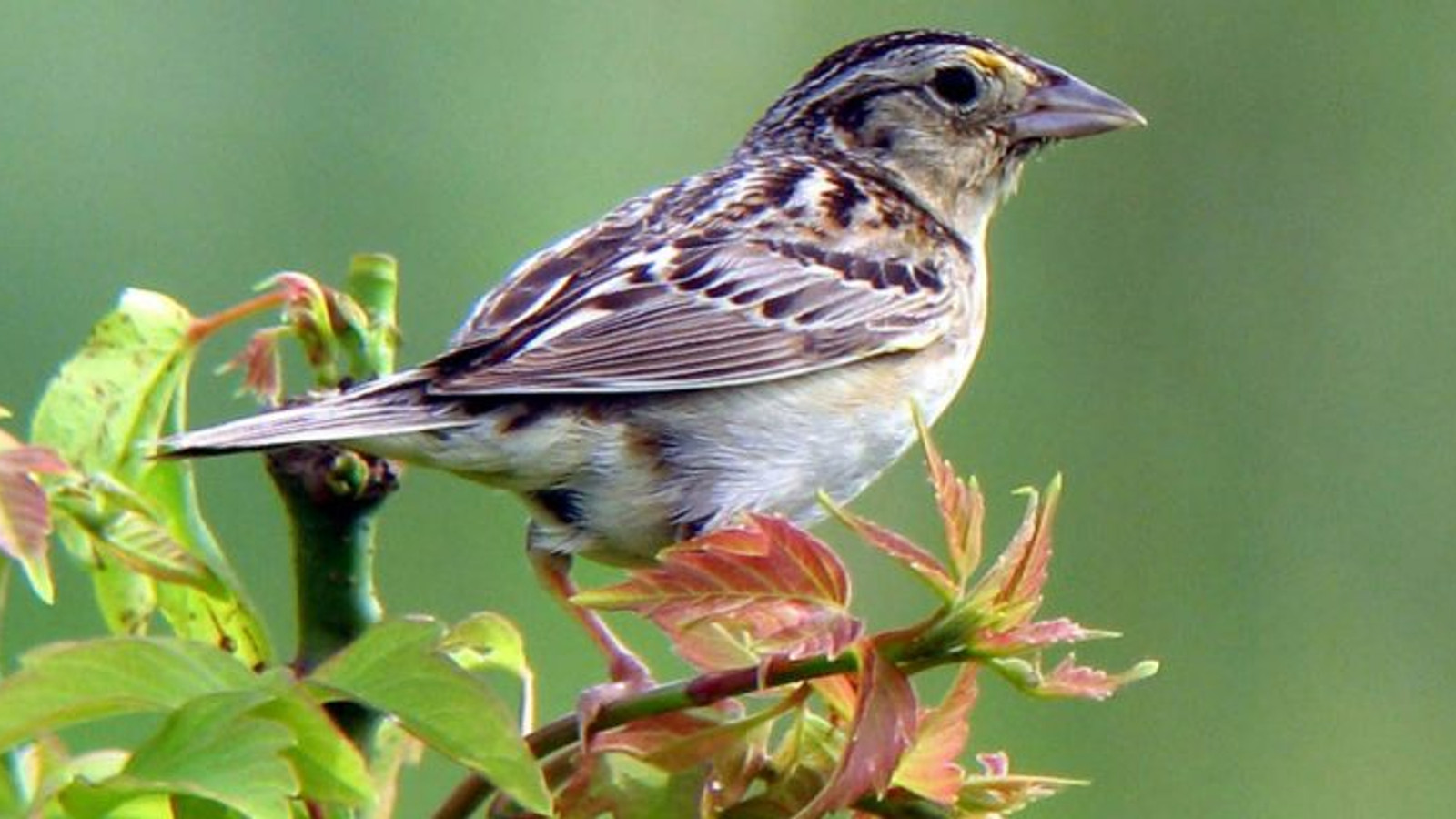
Small, flat-headed sparrow with a short tail, buff face, pale center crown stripe, and a mostly unstreaked breast. A yellow spot in front of the eye and fine markings along the back help separate it from similar sparrows.