
Florida Worm Lizard
Rhineura floridana
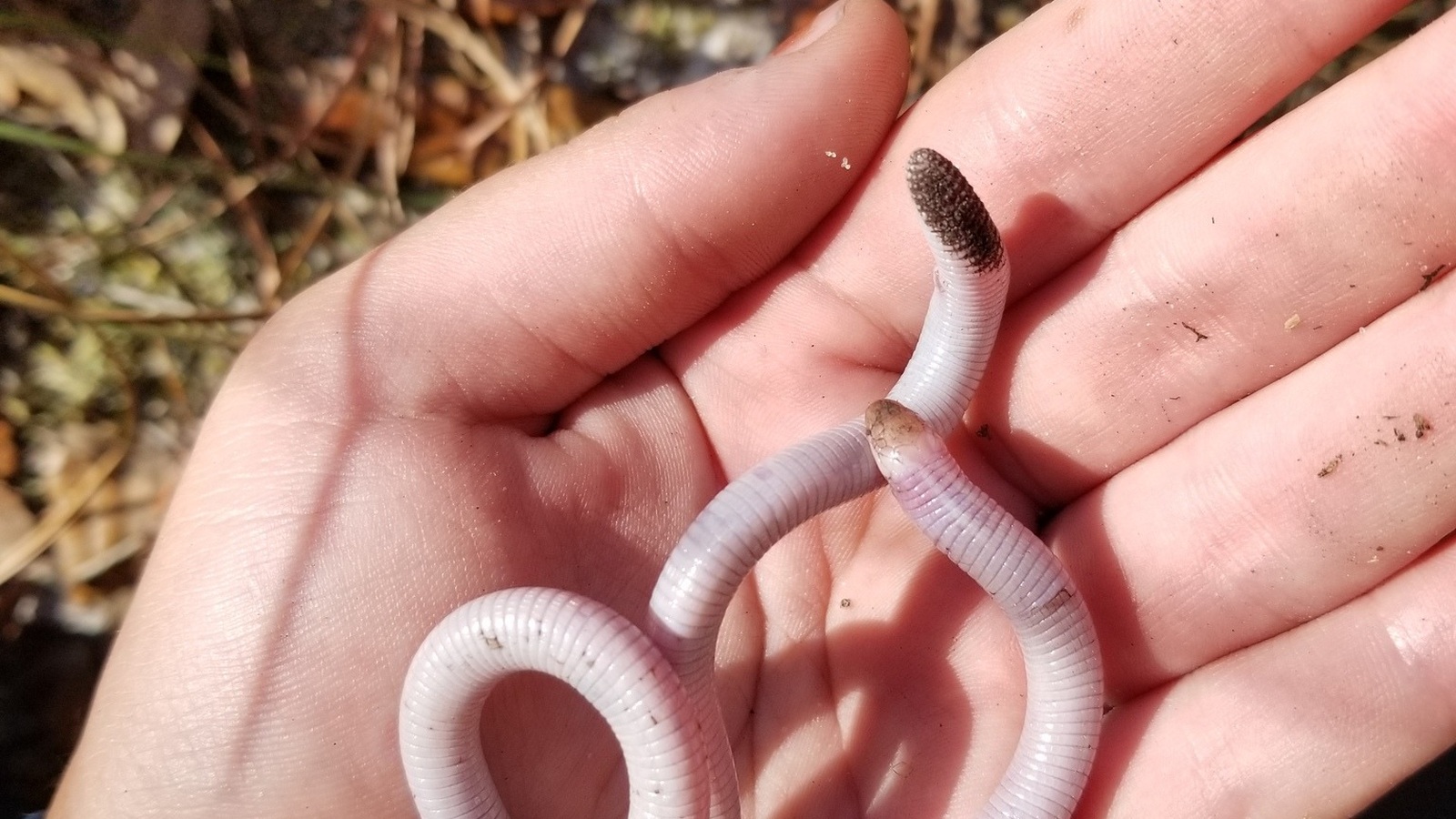
A pink, ringed, burrowing reptile found mainly in sandy soils of north and central Florida.
The Florida Worm Lizard is neither a worm nor a snake. It belongs to a specialized group of burrowing reptiles called amphisbaenians and spends nearly all its life underground.
Its reinforced skull pushes through loose soil while its ringed body moves in either direction. Rain, excavation, or gardening occasionally brings one to the surface.
Habitat:
Pine Flatwoods and Sandhills, Scrub and Dry Prairie, Urban and Residential Areas
Area / Range:
North Florida, Central Florida
Diet:
Feeds underground on ants, termites, beetle larvae, worms, and other small soil invertebrates.
Behavior:
Fossorial and rarely seen above ground. It tunnels through loose sand and may surface after heavy rain or soil disturbance.
Daytime, Nighttime
Active Times:
Best time to see:
After heavy rain or during careful soil work in sandy central and northern Florida sites.
Florida Native Status:
Native
Conservation Status:
Not federally or state listed; local populations depend on intact sandy soils.
Safety Level:
Low
Safety Information:
Harmless to people and pets. If uncovered, place it beside loose soil close to the discovery point and let it burrow.
Benefits to Property:
Consumes soil-dwelling insects and reflects healthy, aerated sandy soil.
Property Concerns:
No property damage concern. Soil compaction, paving, and intensive pesticide use reduce habitat.
Fun Fact:
- It is Florida’s only native amphisbaenian.
- Its skull works like a digging wedge.
- It can move backward through a tunnel efficiently.
Wildlife Laws:
Native wildlife should not be collected or sold without authorization. Leave individuals in place and check current FWC rules before any handling.
Identification:
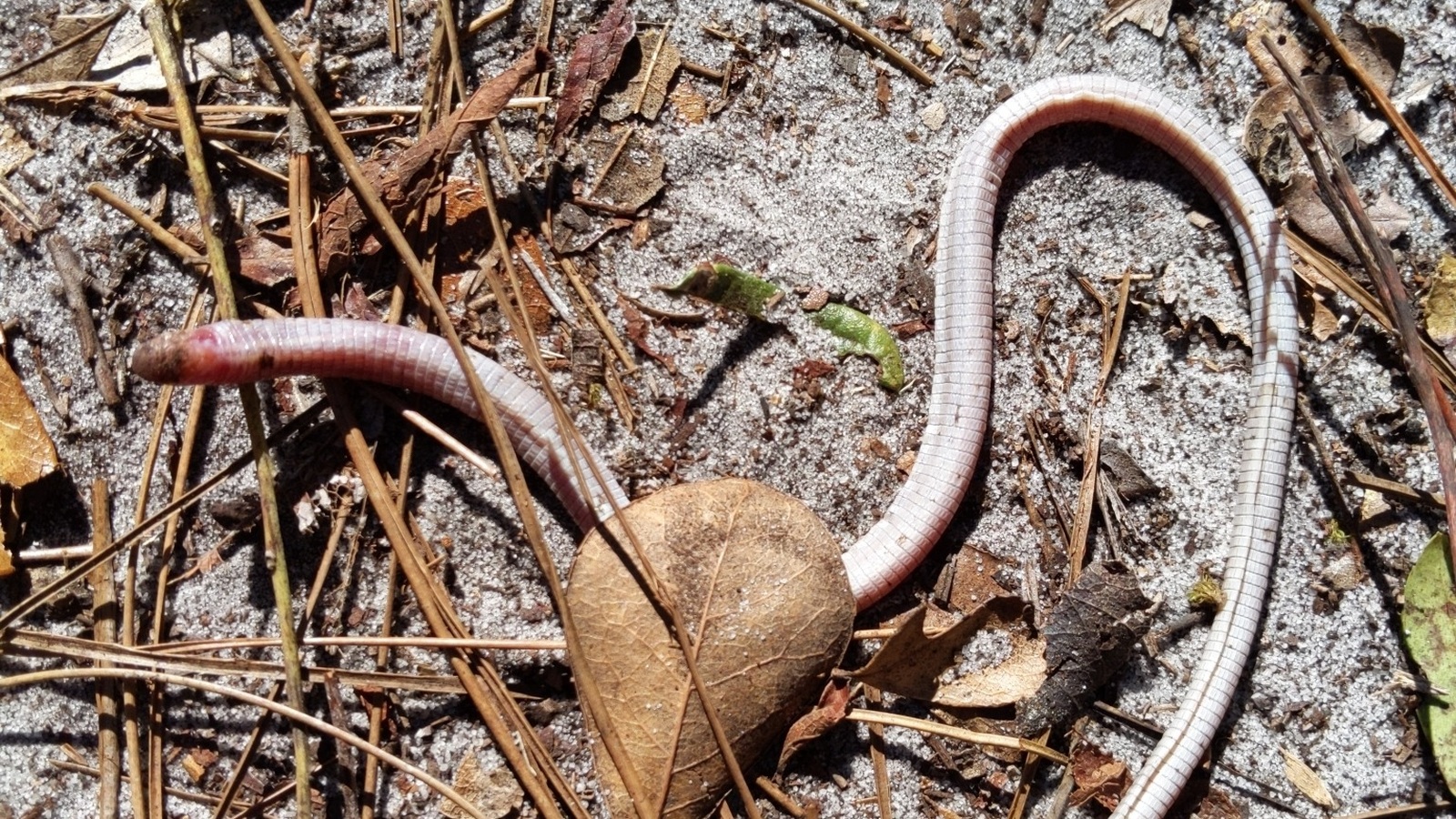
Slender pink to pale lavender body with ring-like grooves, tiny hidden eyes, a blunt shovel-shaped head, and a short blunt tail.